

We couldn’t have been more surprised by Lithuania; it’s definitely one of Europe’s underrated gems! On our 6-day Lithuania itinerary, we began in the beautiful city of Vilnius before heading to the golden dunes along the coast. Along the way, we visited old towns, lakeside castles, endless pine forests, and colorful towns. Read our Lithuania travel guide for our route, along with our recommendations for where to stay and eat.
Day 1: Vilnius, the Capital Of Lithuania
We began our road trip through Lithuania by flying to the capital Vilnius, from Amsterdam. Vilnius is far more elegant than we expected, with ornate facades and cobbled squares that feel almost royal. The city felt like a gem, waiting to be discovered by the masses.
Tip: On arrival at the airport, we collected our rental car so we could depart early on day 2.
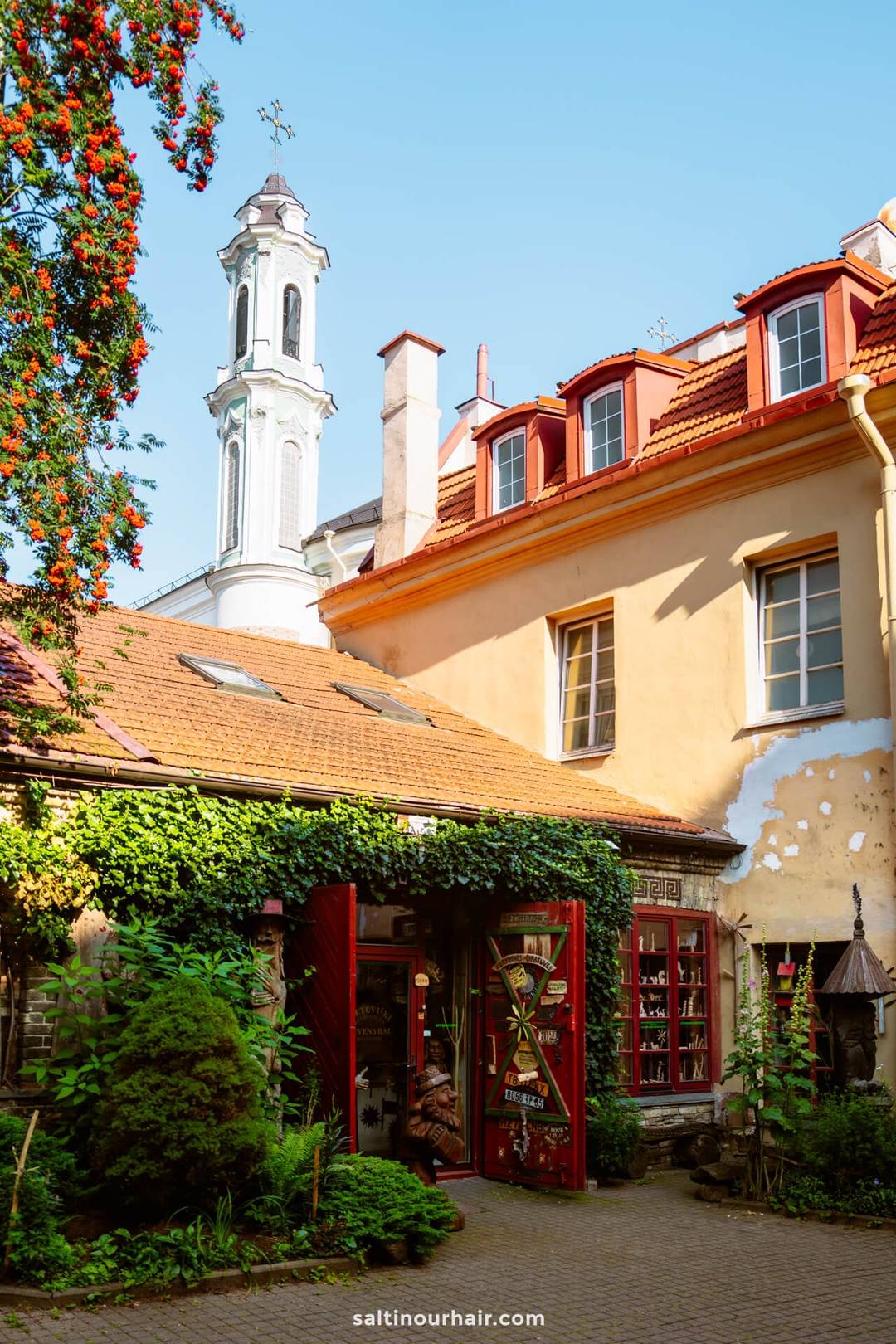

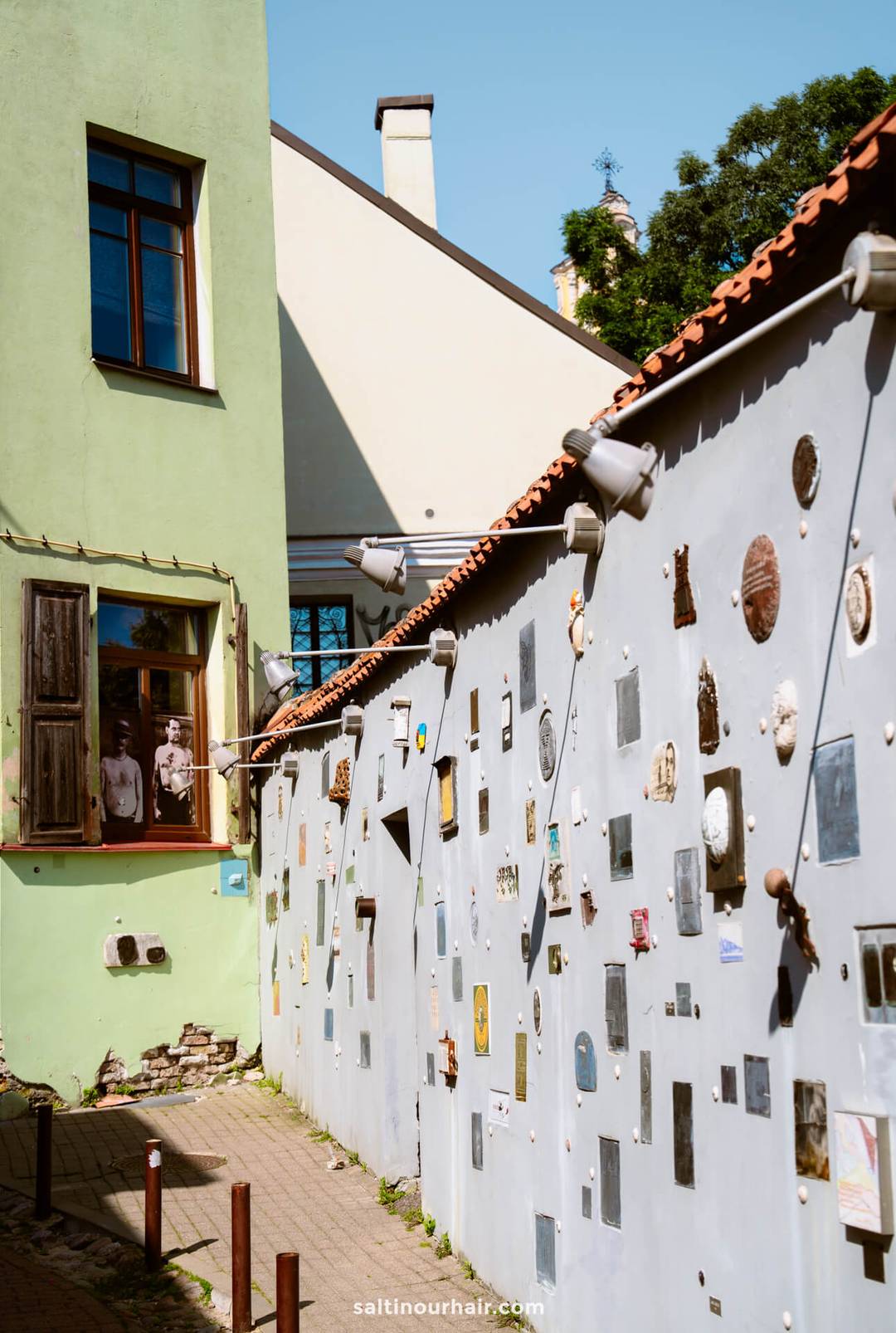

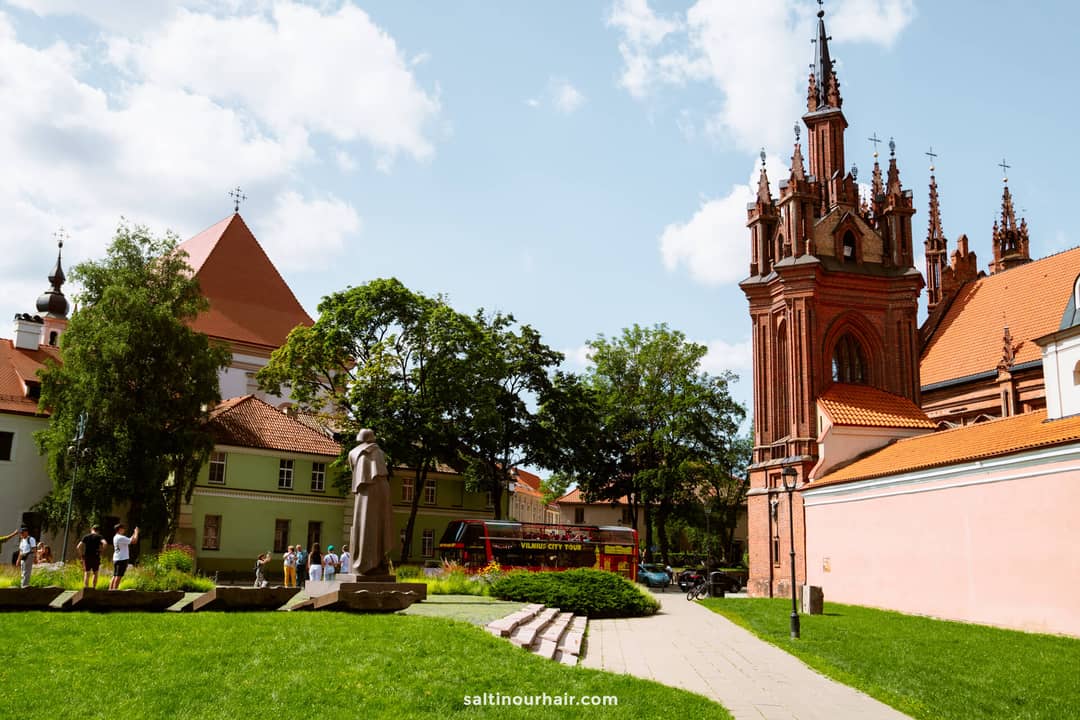

Vilnius Old Town
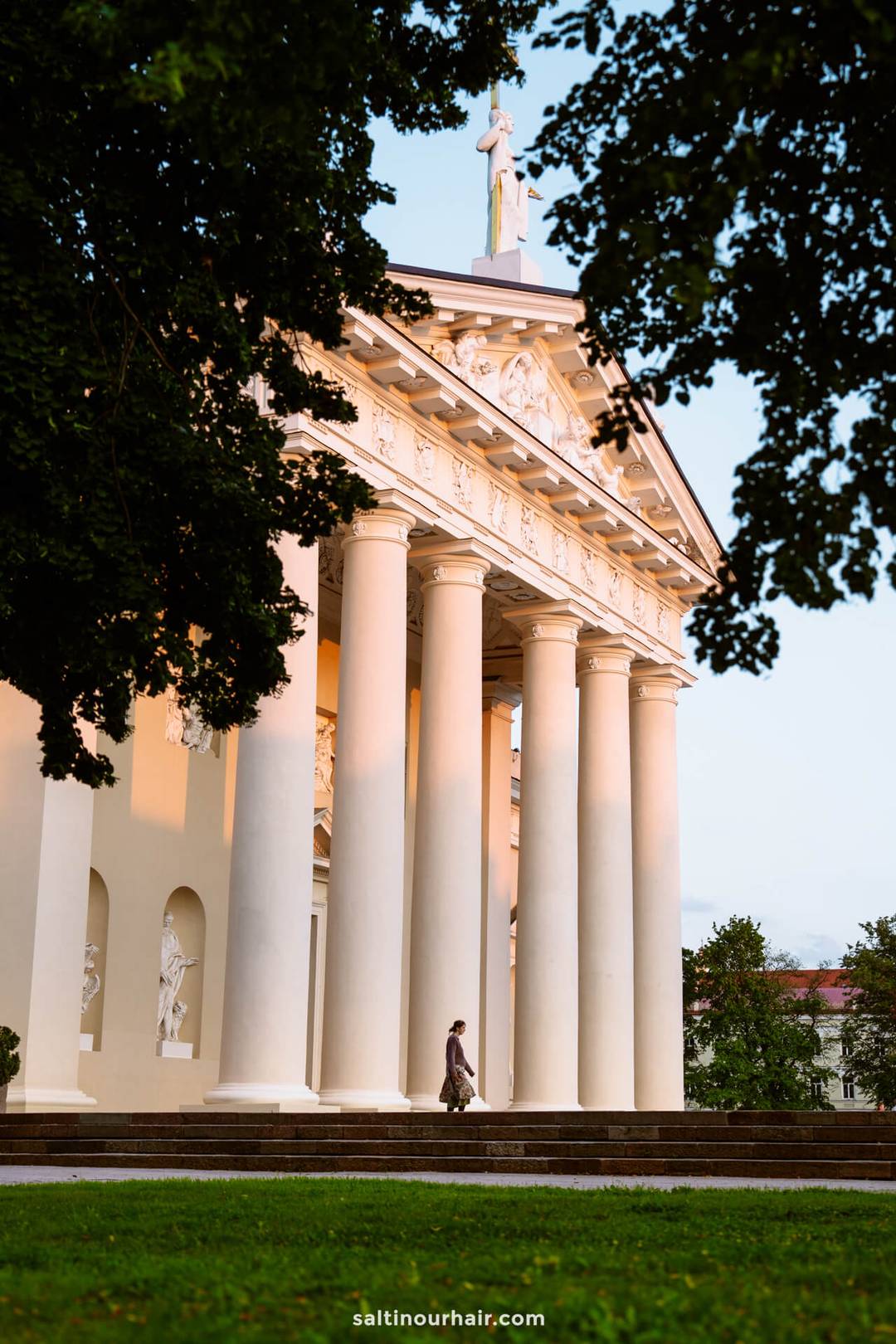
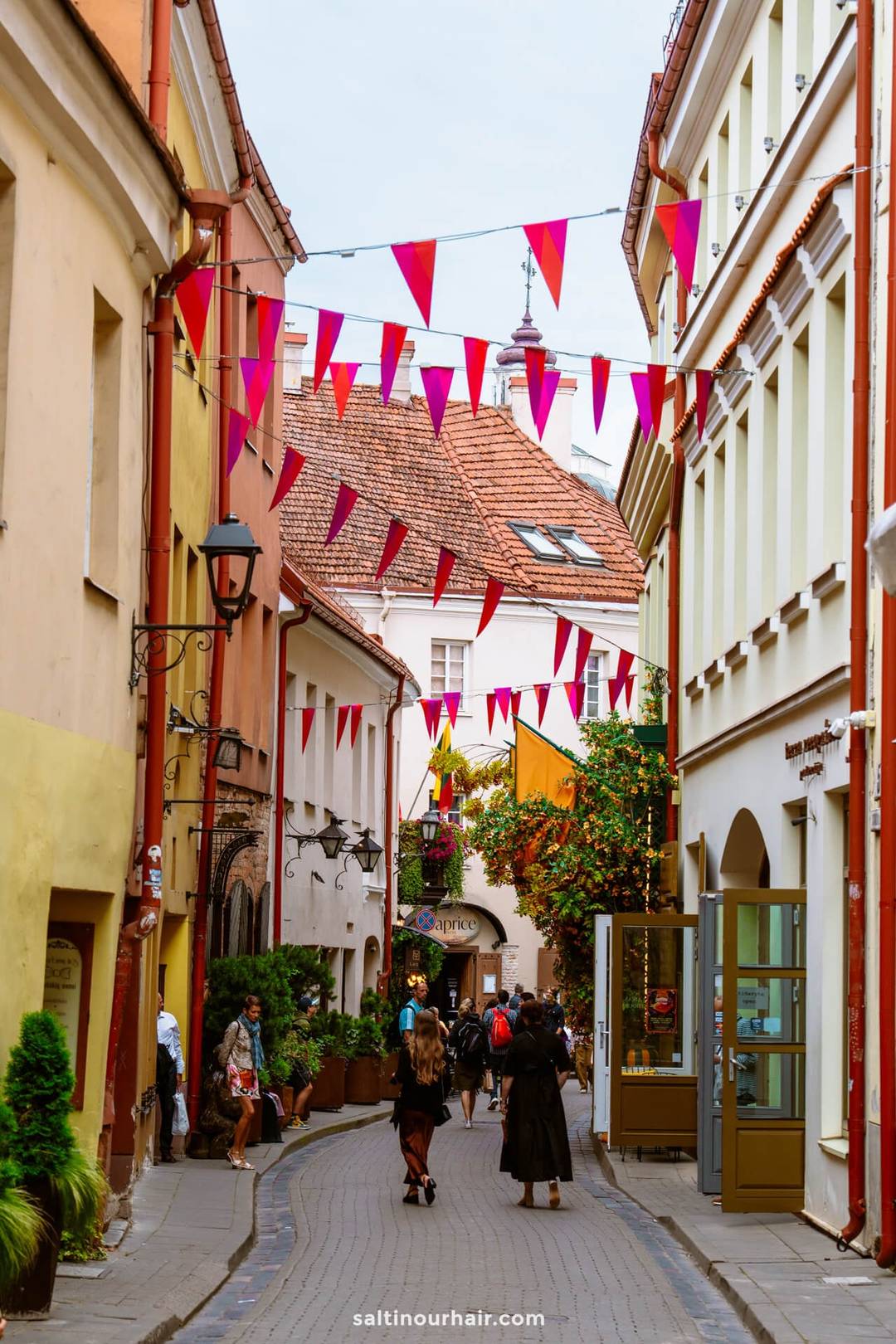
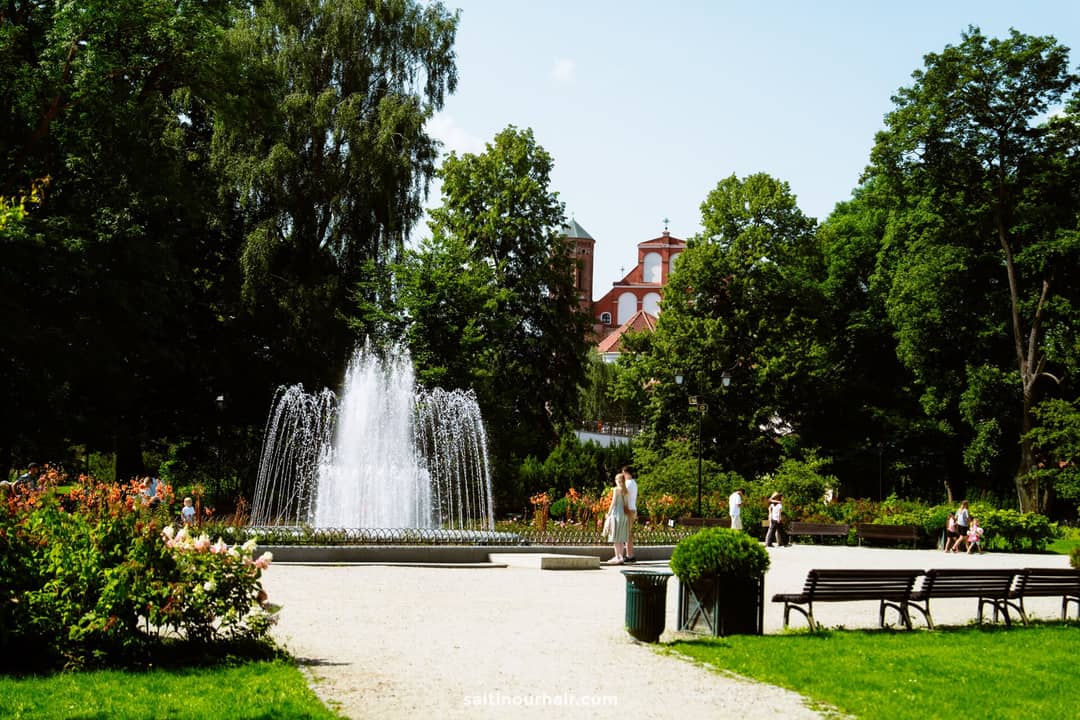
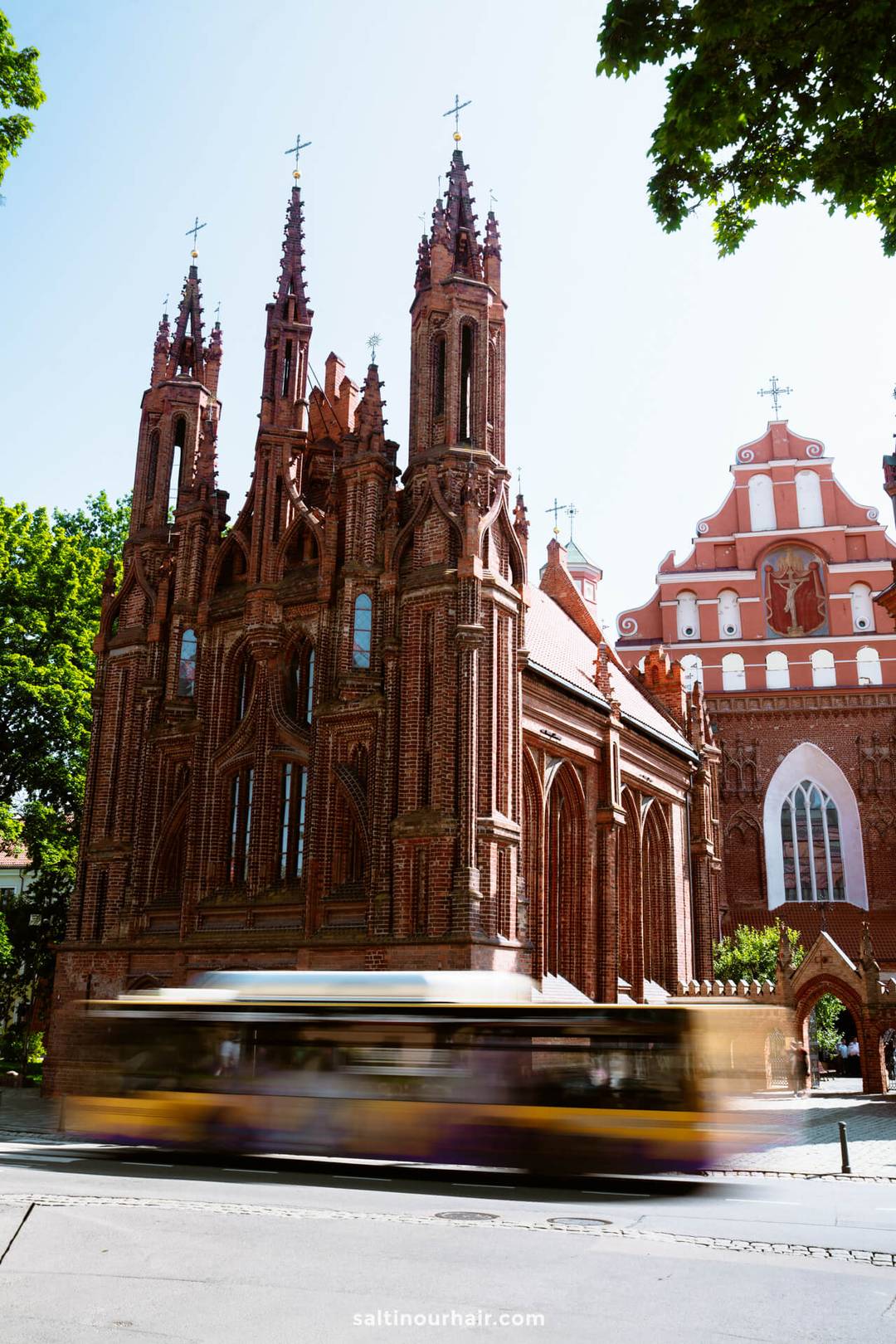
The Old Town is where Vilnius truly shines. Plus, everything is close together, which is great for exploring! Check out the white expanse of Cathedral Square, the gothic lines of St. Anne’s Church, the tranquility of Bernardinai Park, or the colorful Pilies Street. I was also super happy to discover lots of great boutiques and cafés here.
We saw this walking tour leaving from the Cathedral Square, which looked great. You can book it here.
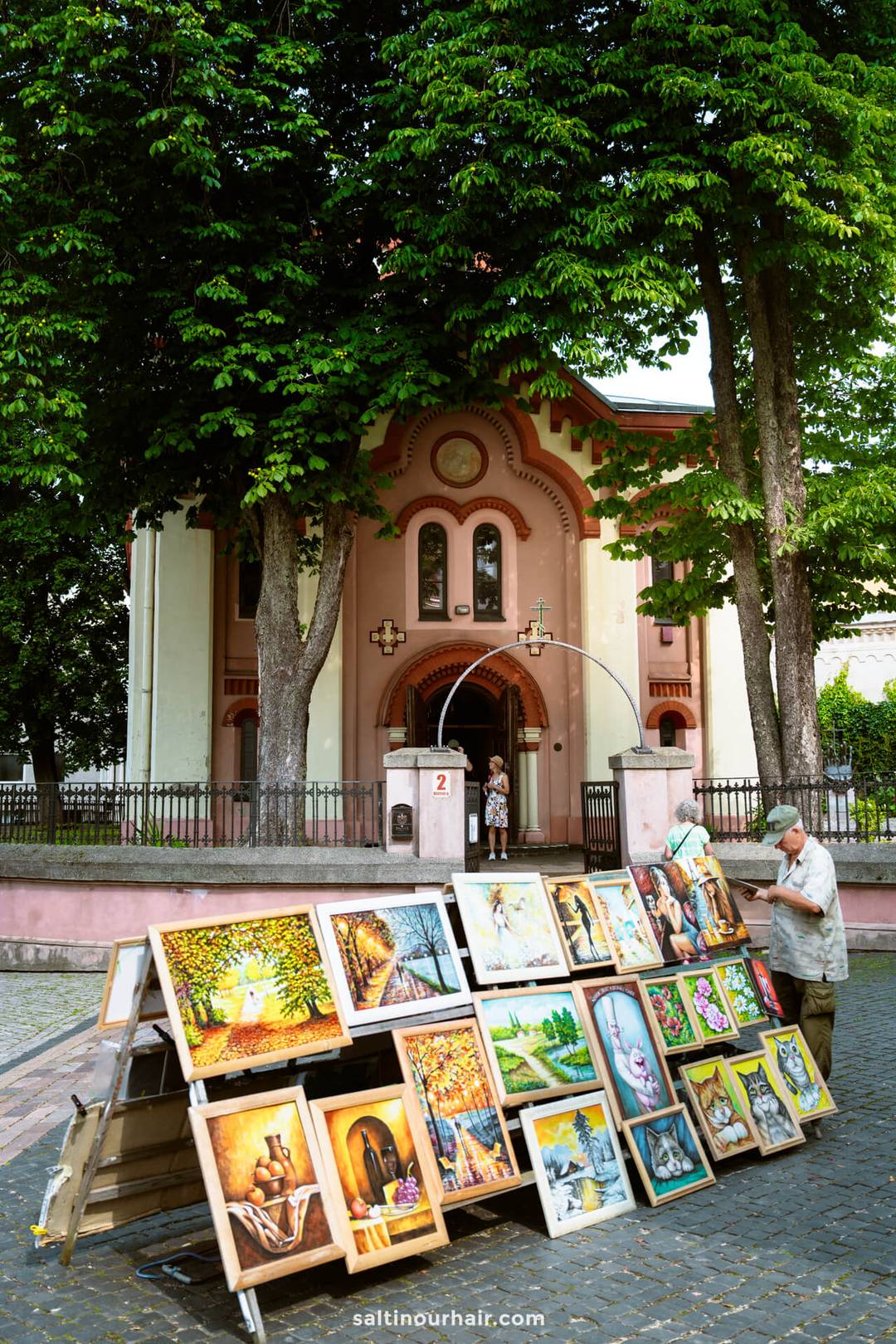

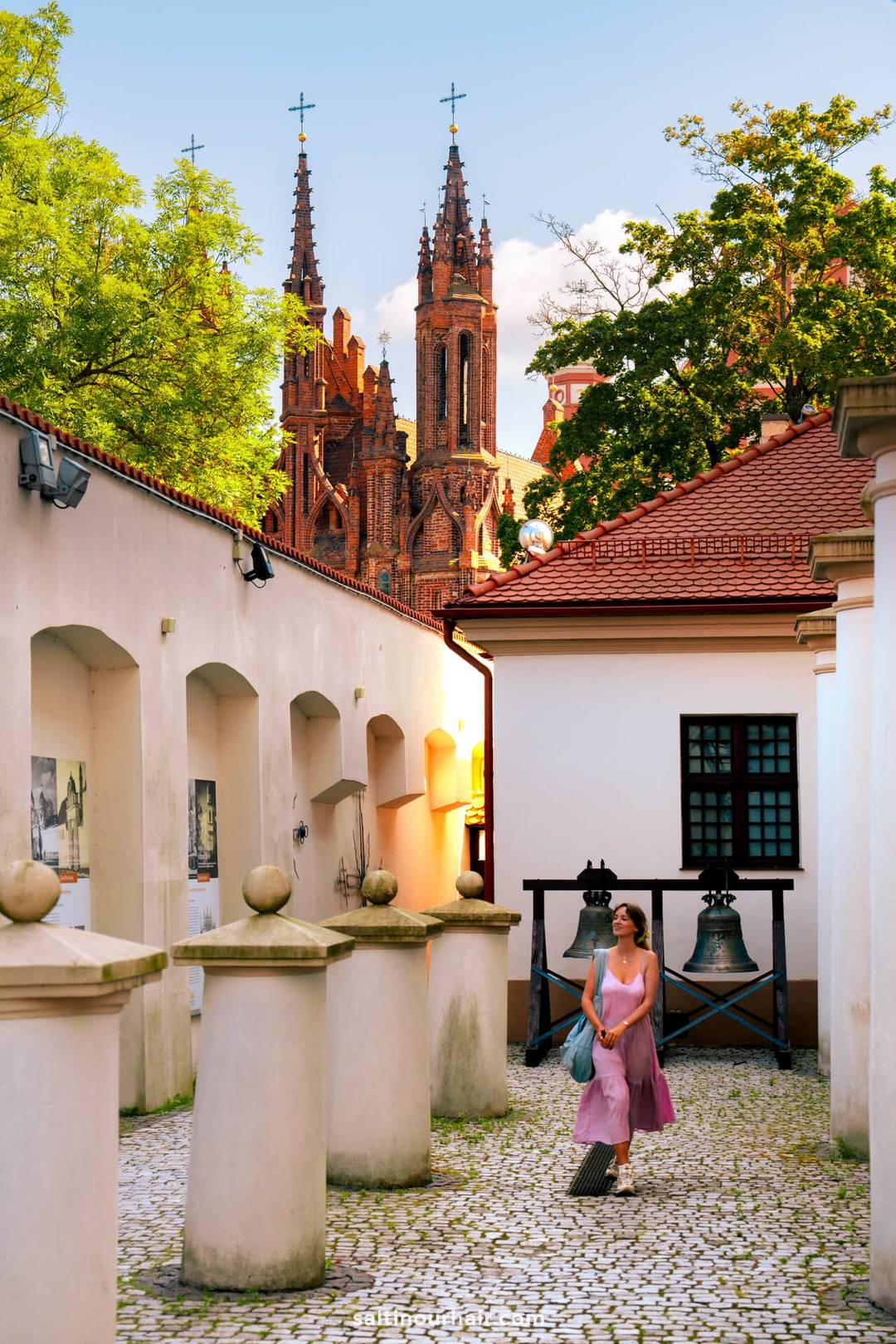

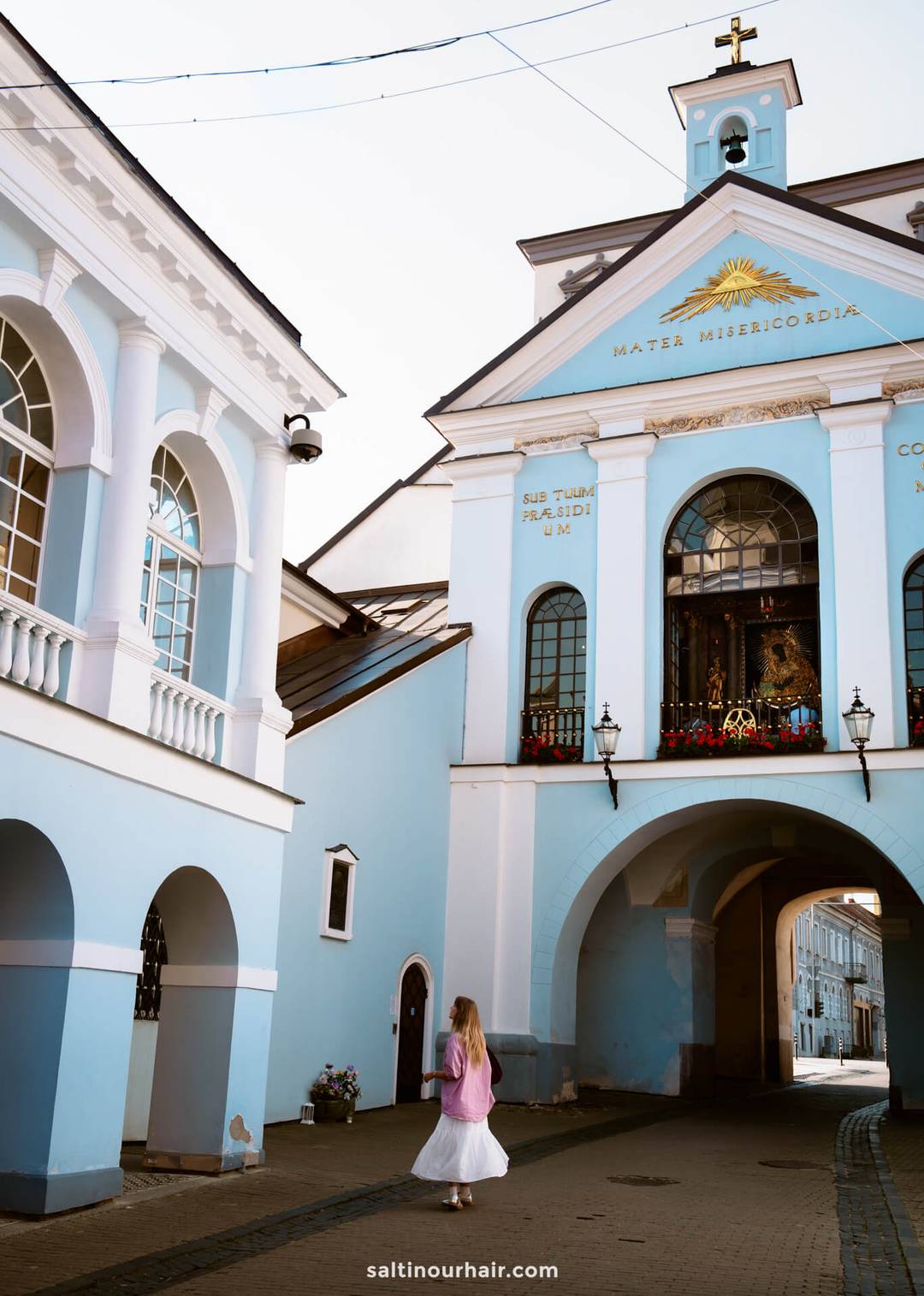

Explore Užupis: Vilnius’ Artsy Neighborhood
For a change of scenery, we crossed the river into Užupis, the city’s quirky, artsy district. Actually, this isn’t just a different part of Vilnius; Užupis has declared itself an independent republic! It even has its own constitution displayed on plaques.
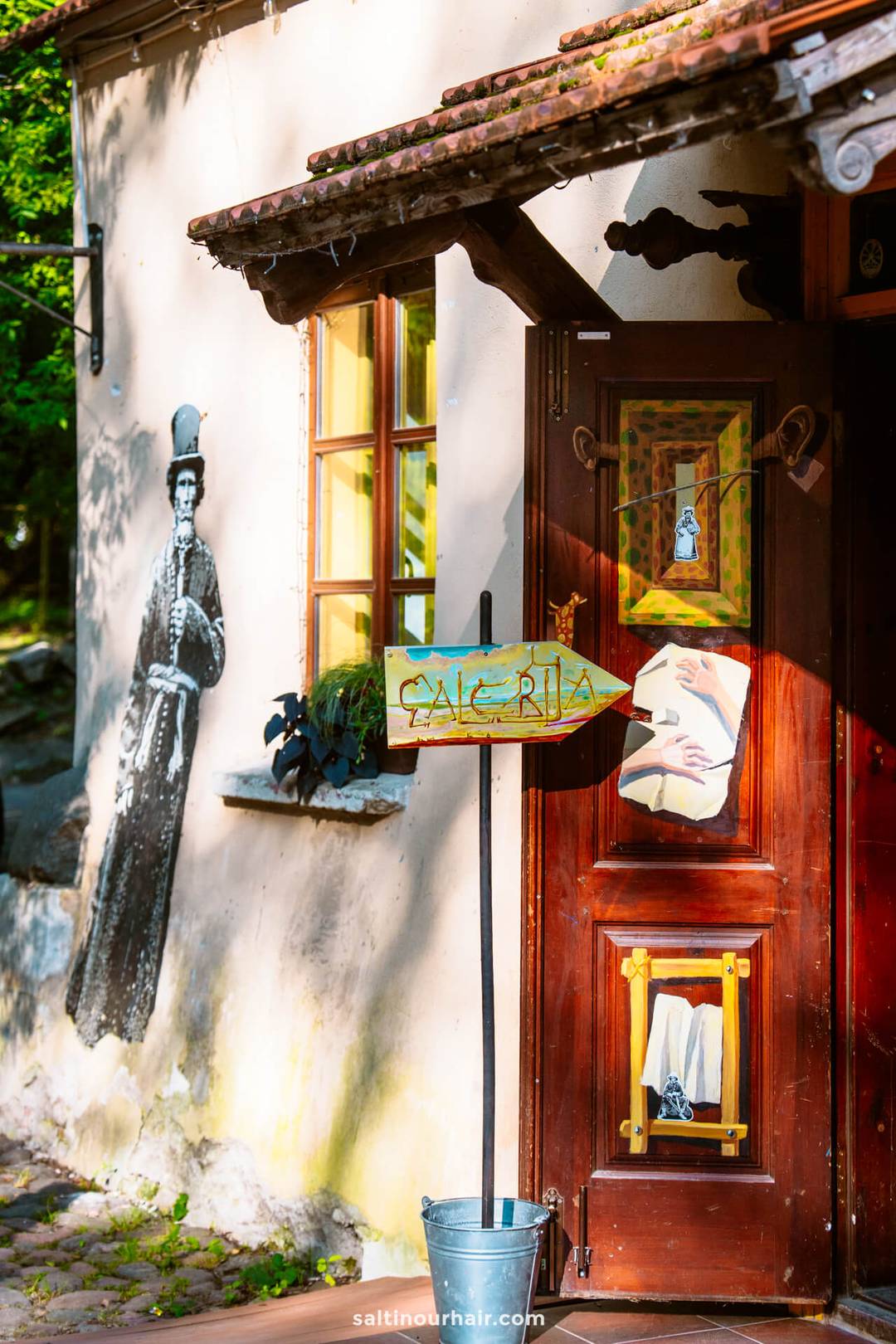

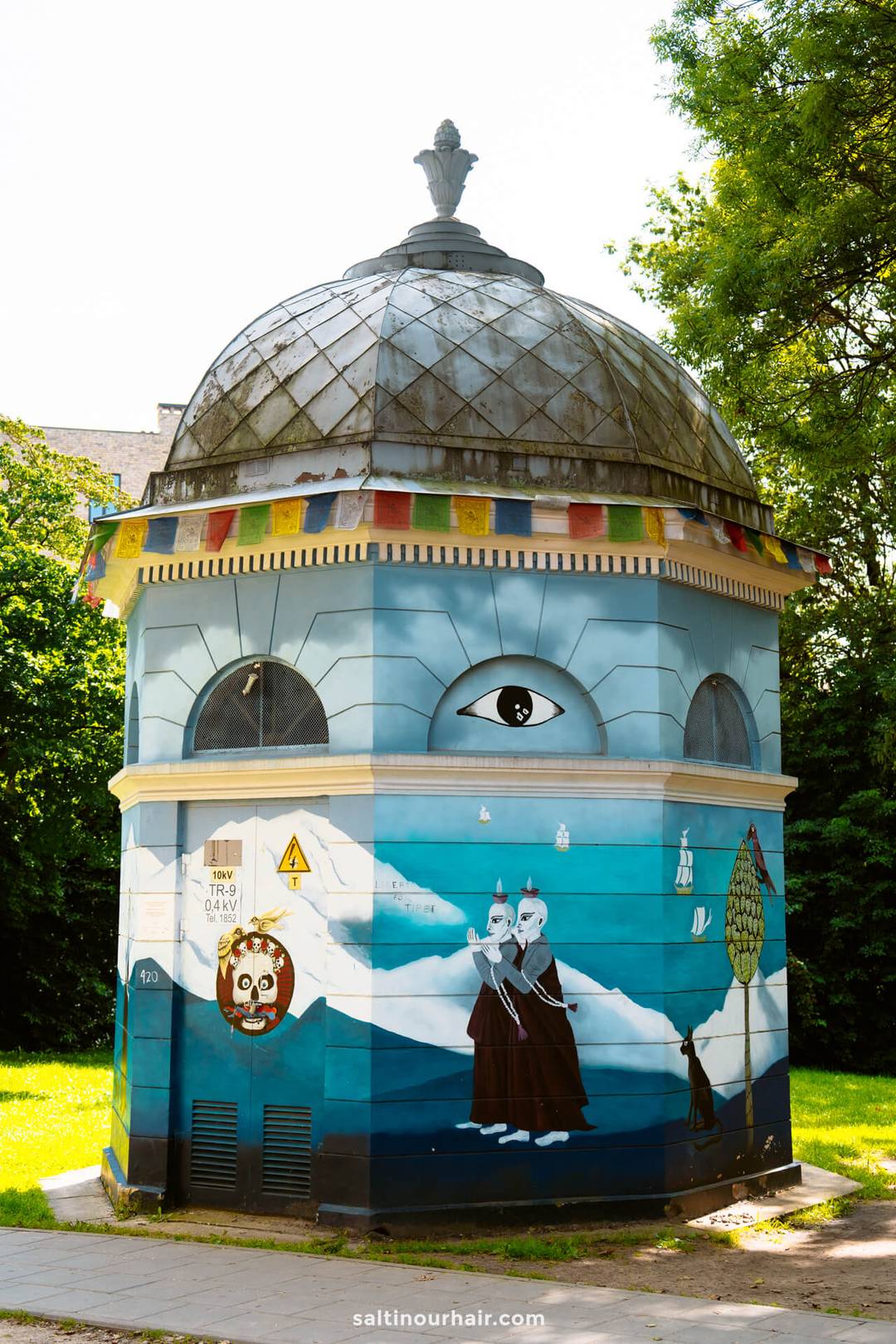

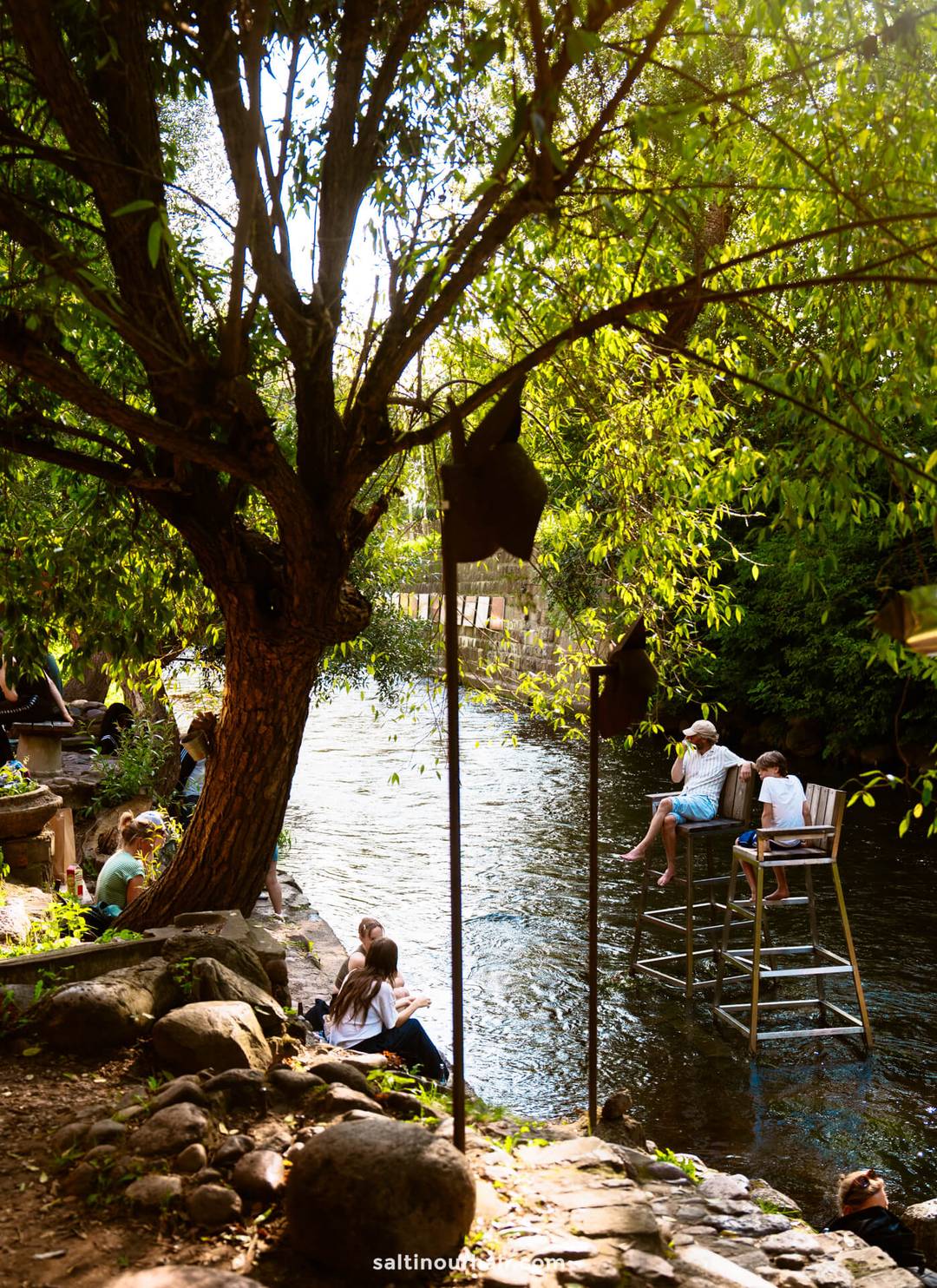

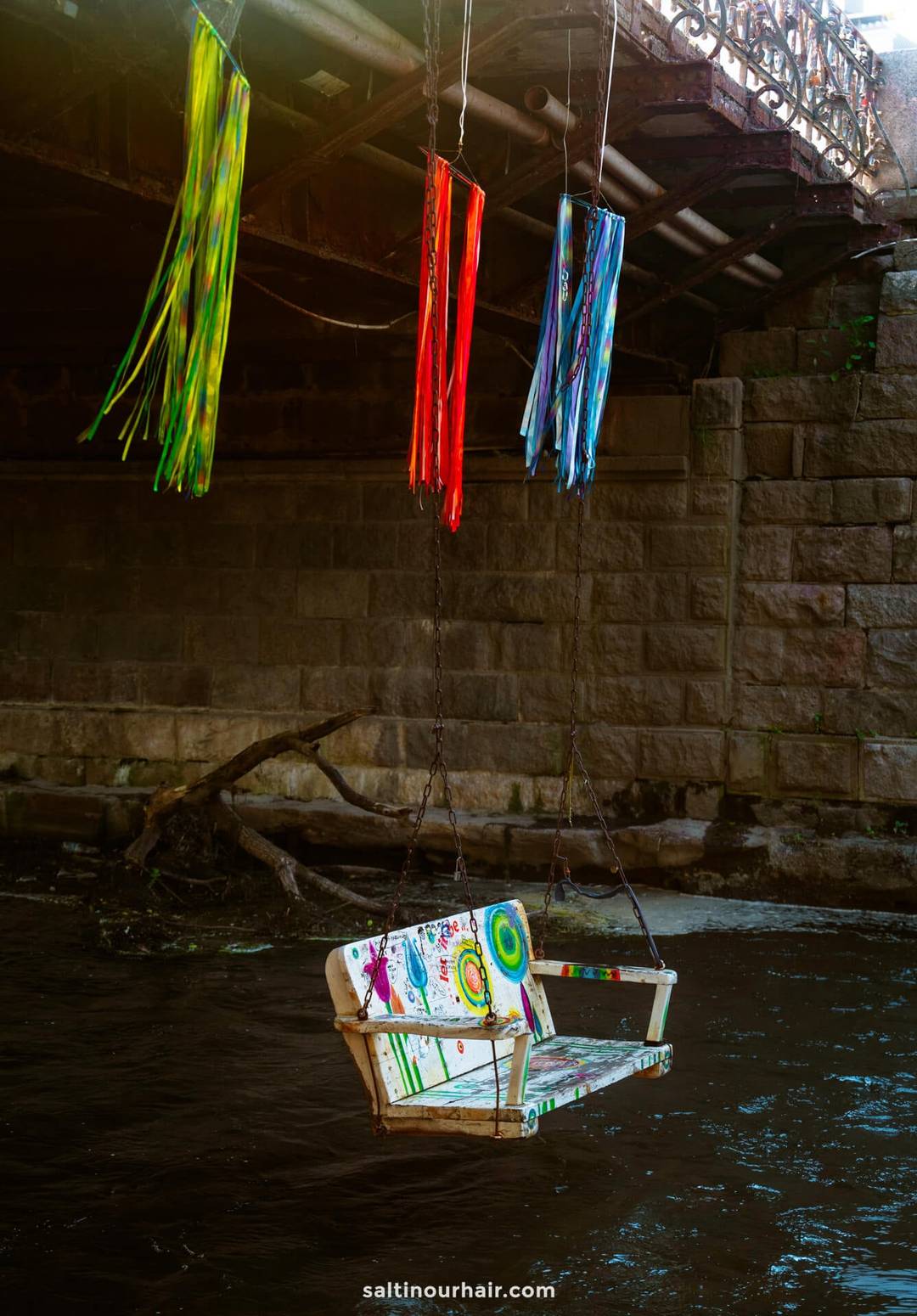
We loved the many murals you can find on the walls and hidden gems like this swing underneath a bridge. I loved dipping my feet in the river here! It definitely felt like a secret corner of the city.

Sunset at Gediminas Tower
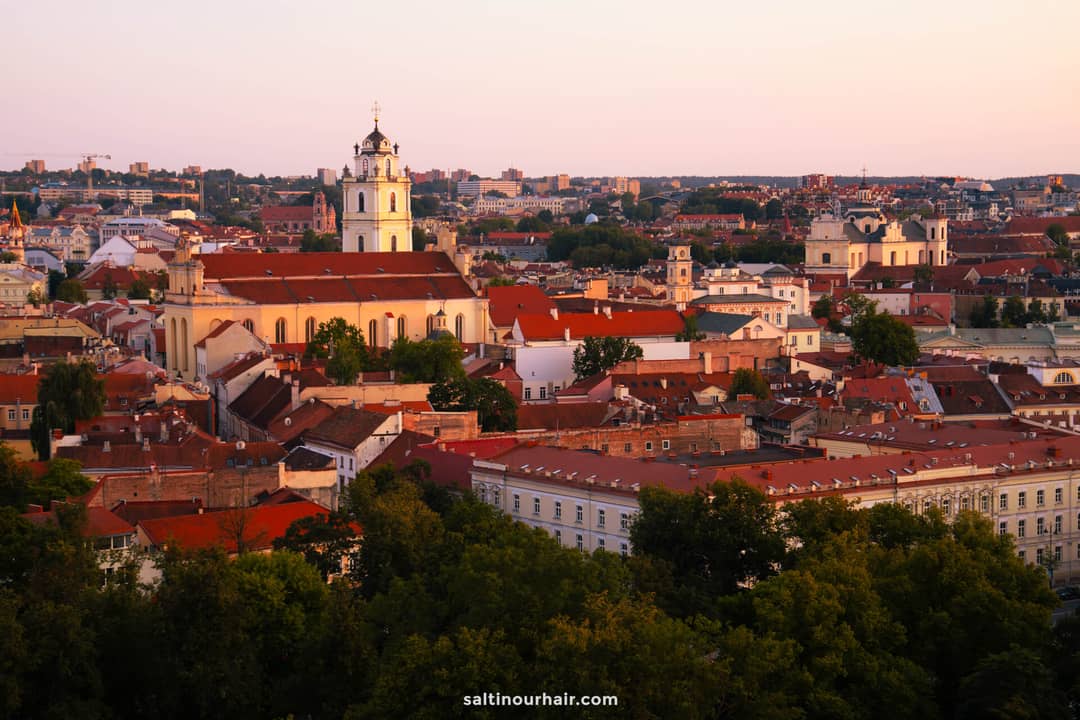
In the evening, we hiked the short uphill path to Gediminas Tower. The climb only takes ten minutes, but from the top, you get the best views over Vilnius! Bring some drinks, and watch as the sun goes down, painting the Old Town rooftops in golden light.
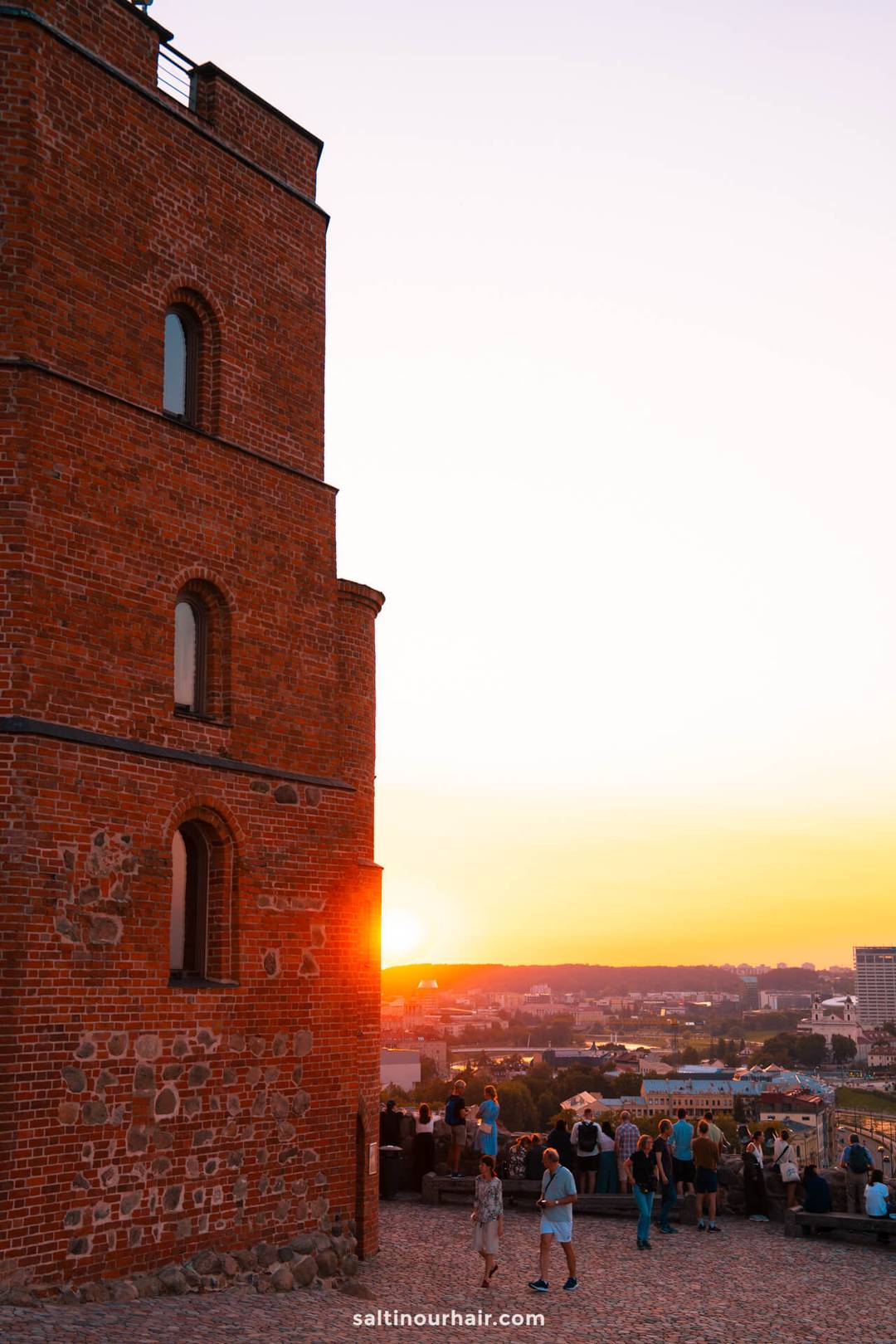

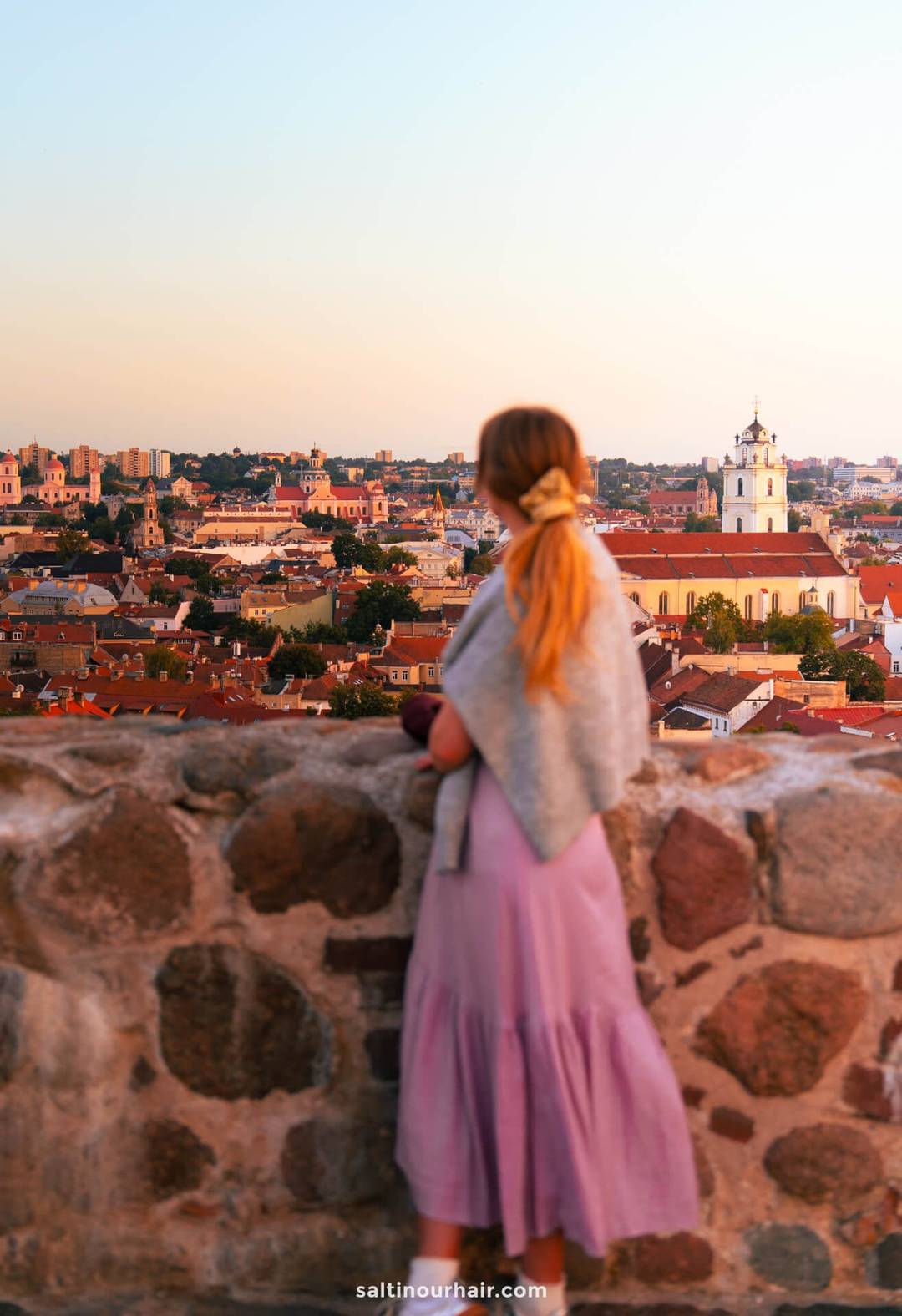

There’s also a short funicular, but unfortunately, it wasn’t operating when we visited. Opening hours are 10 AM – 7:30 PM (see more information here).
There’s also the option to climb the castle tower but you need to book tickets in advance.

Where to Eat in Vilnius (Our Favorites!)
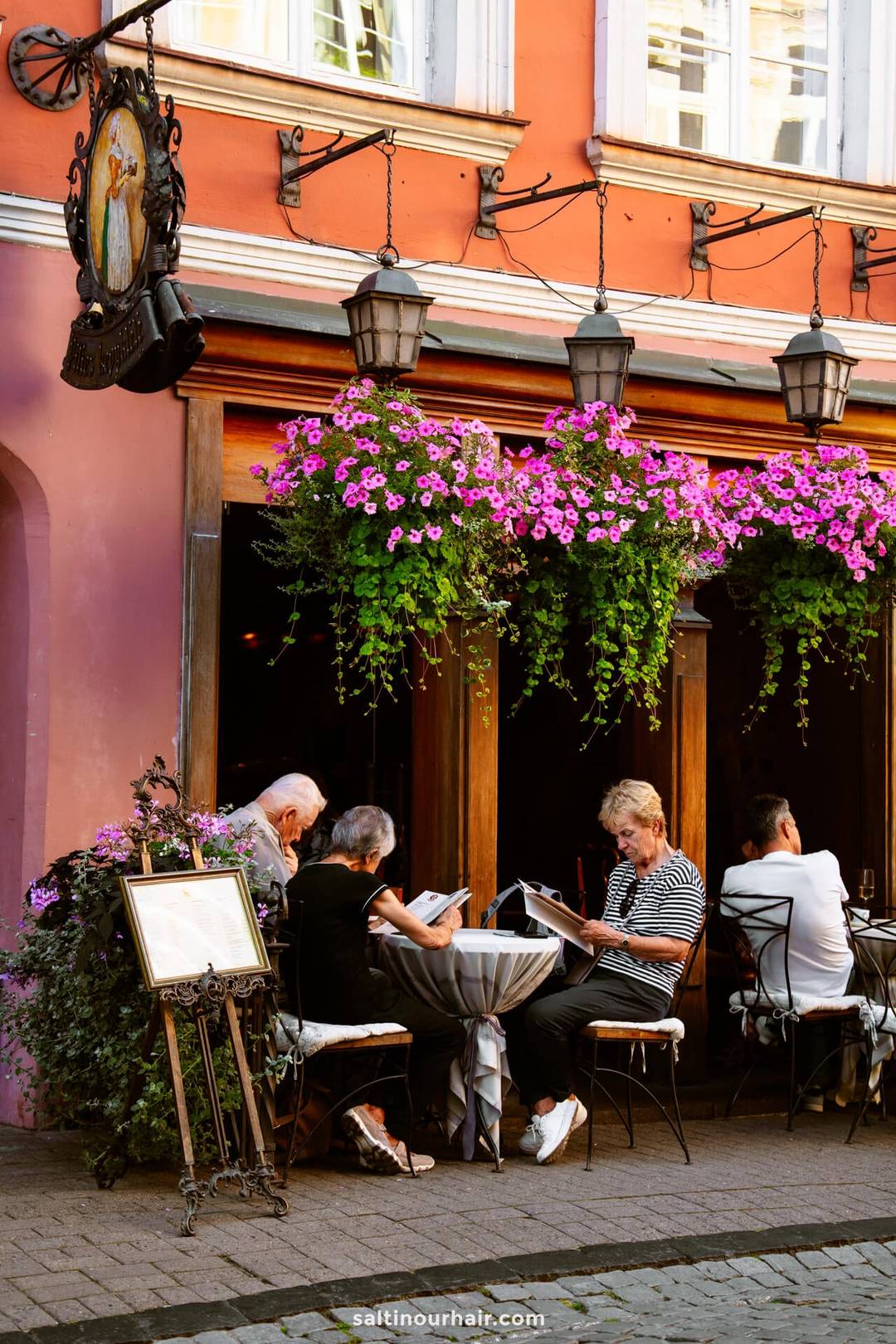
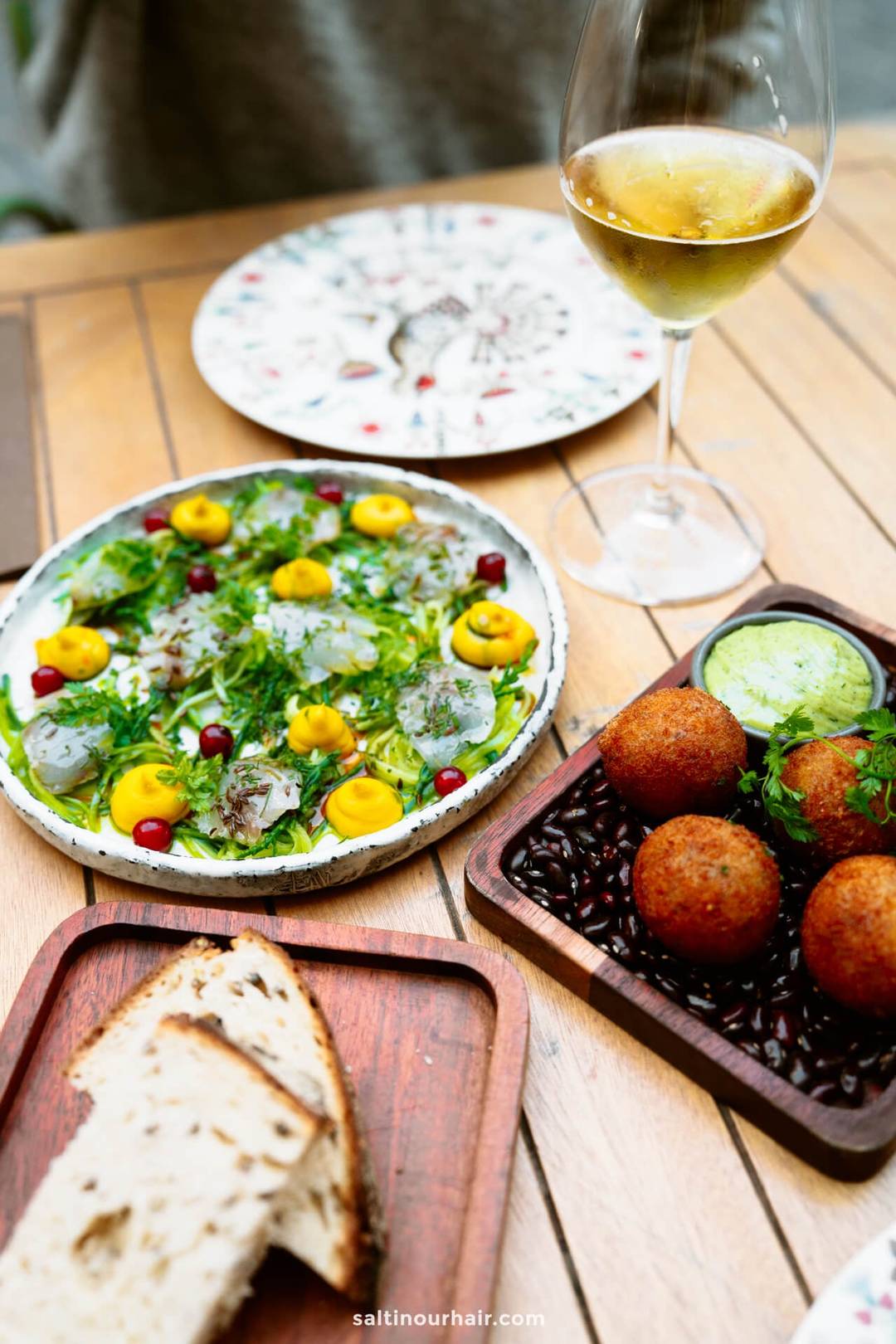
The gastronomy in Vilnius blew us away! We enjoyed one of the most memorable meals of our Lithuania itinerary at Nineteen18, a Michelin-starred restaurant that takes traditional Lithuanian ingredients to new heights. (Reserve your table here)
Other favorites were:
- Vieta for its cozy atmosphere
- Augustin for a relaxed lunch
- Italala Caffè for our morning coffee fix

Where to Stay in Vilnius
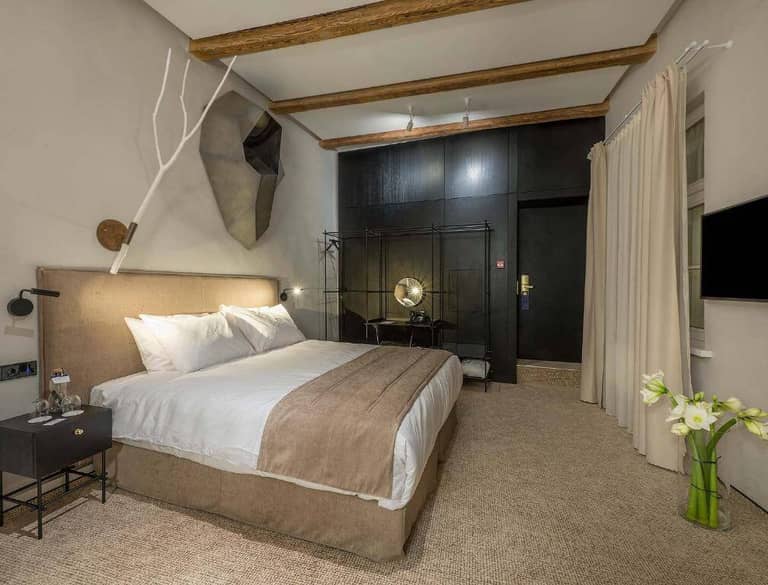
We were lucky enough to stay two nights at the Stikliai Hotel, a stunning design hotel, but this is not for everyone’s budget. Another great option is the Artagonist Hotel, a stylish boutique hotel with local art.
Our favorite hotels inVilnius
View all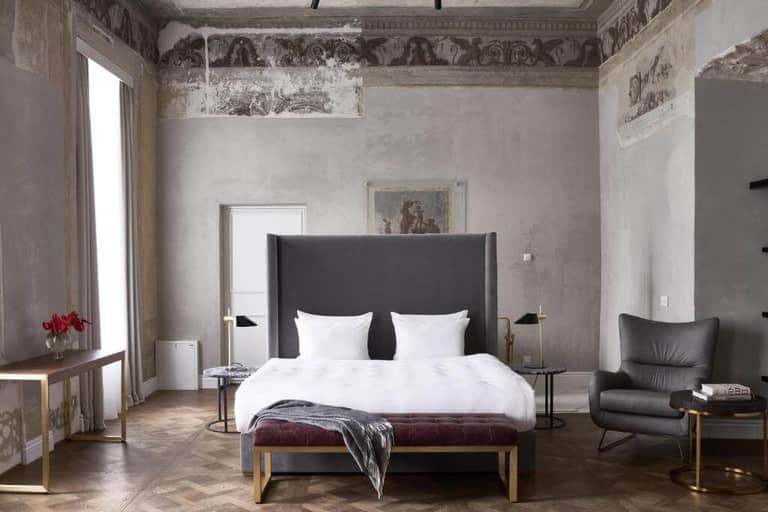
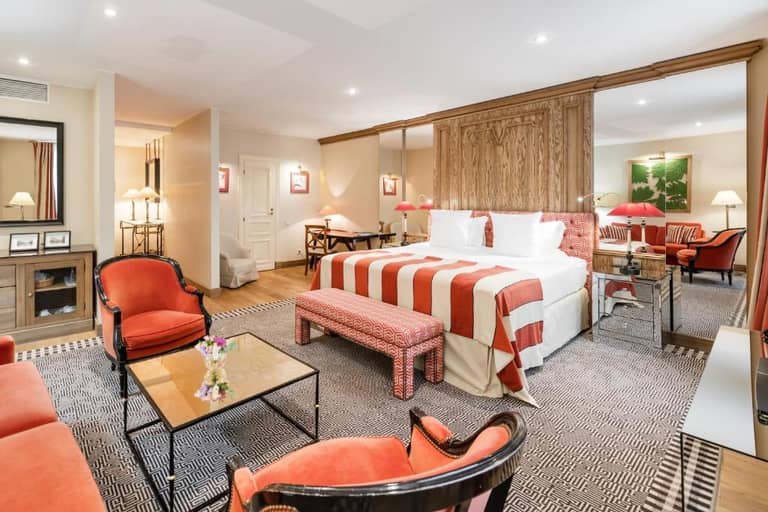
Note: We visited in August, and the city felt so uncrowded. There were tourists around, but far from overwhelming numbers.
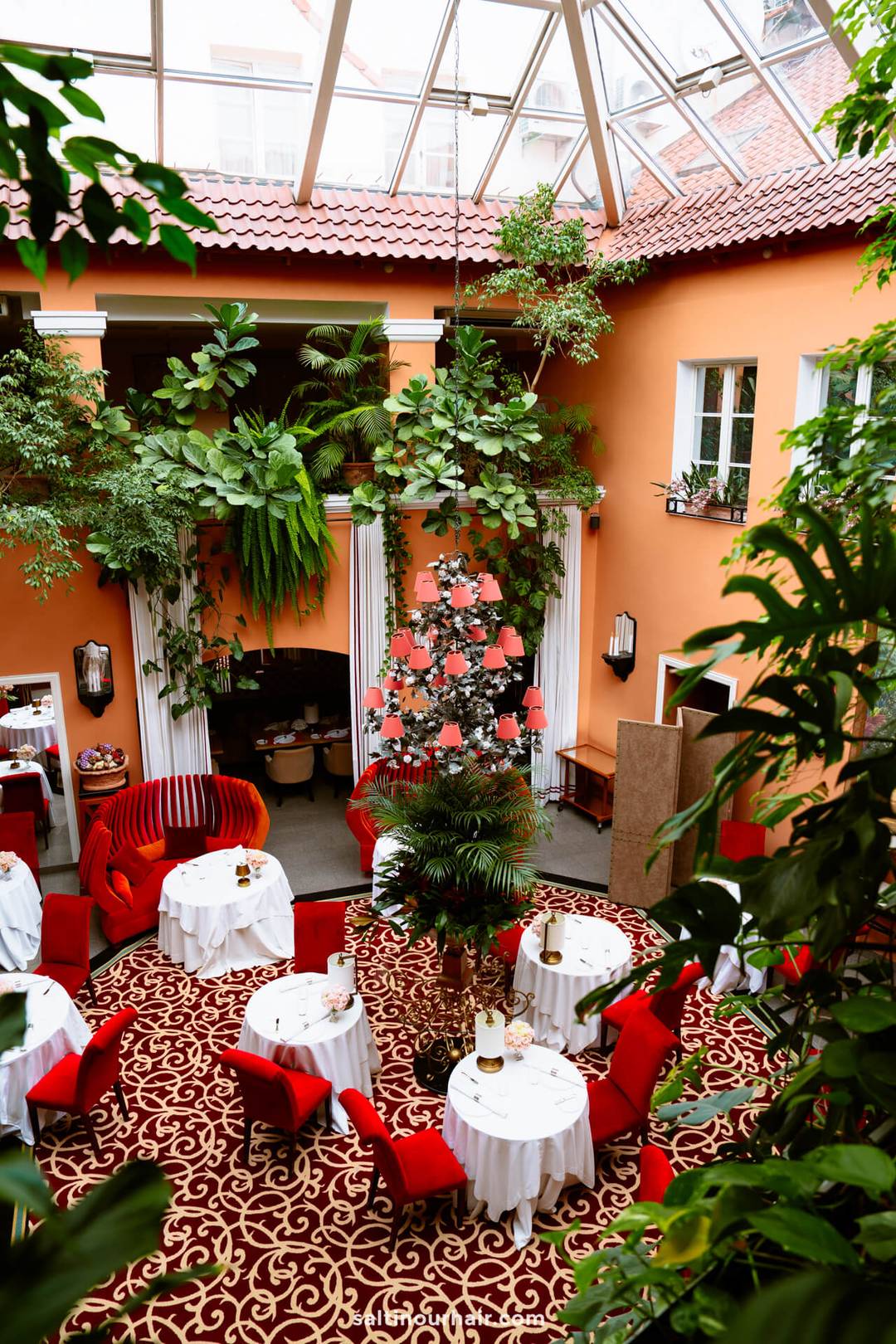

Day 1 recap:
- Cathedral Square
- Pilies Street
- St. Anne’s Church & Bernardine Church
- Bernardinai Park
- Gate of Dawn
- Užupis
- Gediminas Tower Hill
Day 2: Trakai Castle & Kaunas
The next morning, we picked up our rental car and set off west for the next part of our Lithuania itinerary. Our first stop was Trakai, a fairytale town about 40 minutes from Vilnius.
Trakai Island Castle
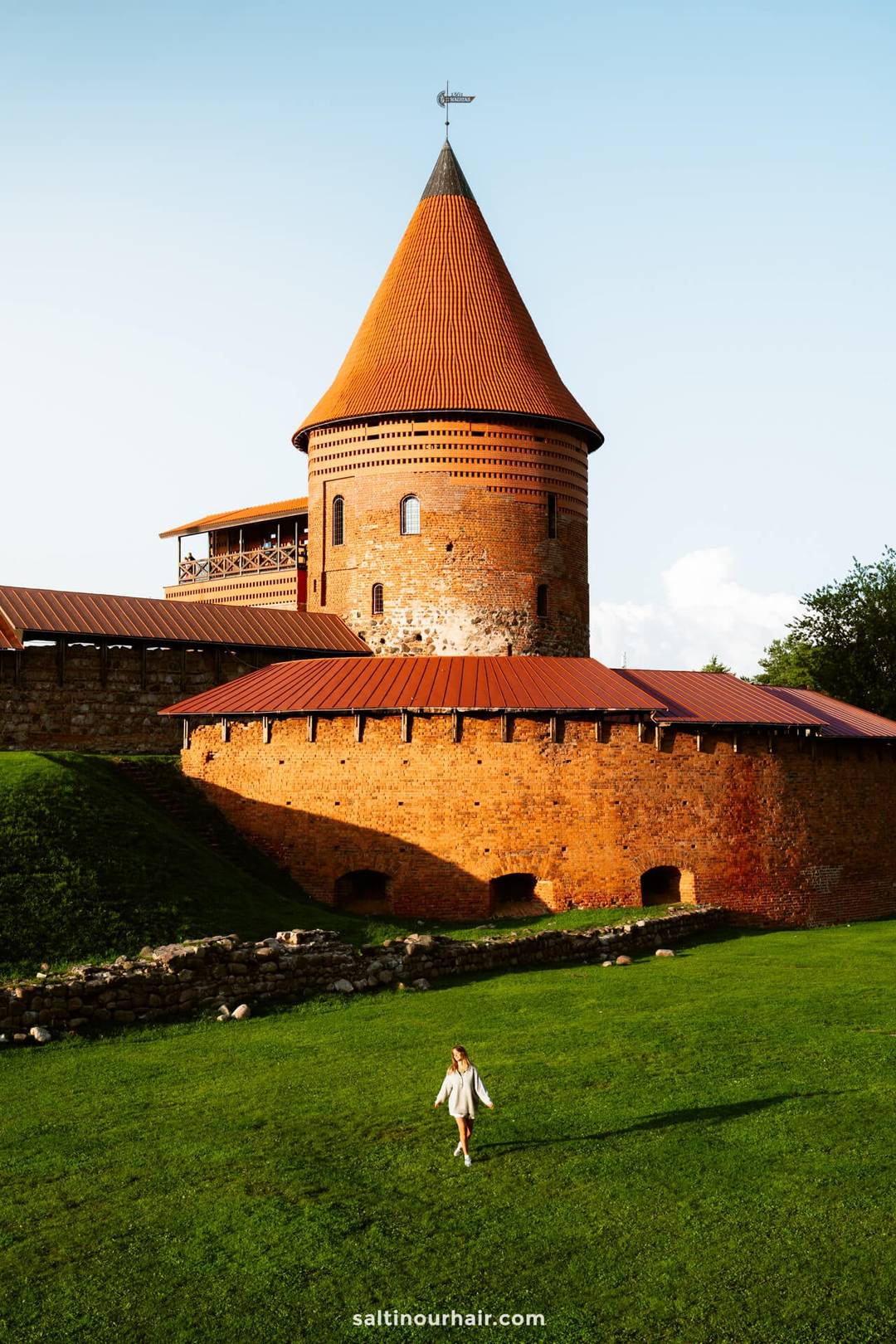
The highlight is Trakai Castle, which sits on an island in Lake Galvė, its red towers reflected in the water (here is the location). Connected to the mainland by a wooden bridge, it’s one of the most photographed places in Lithuania.
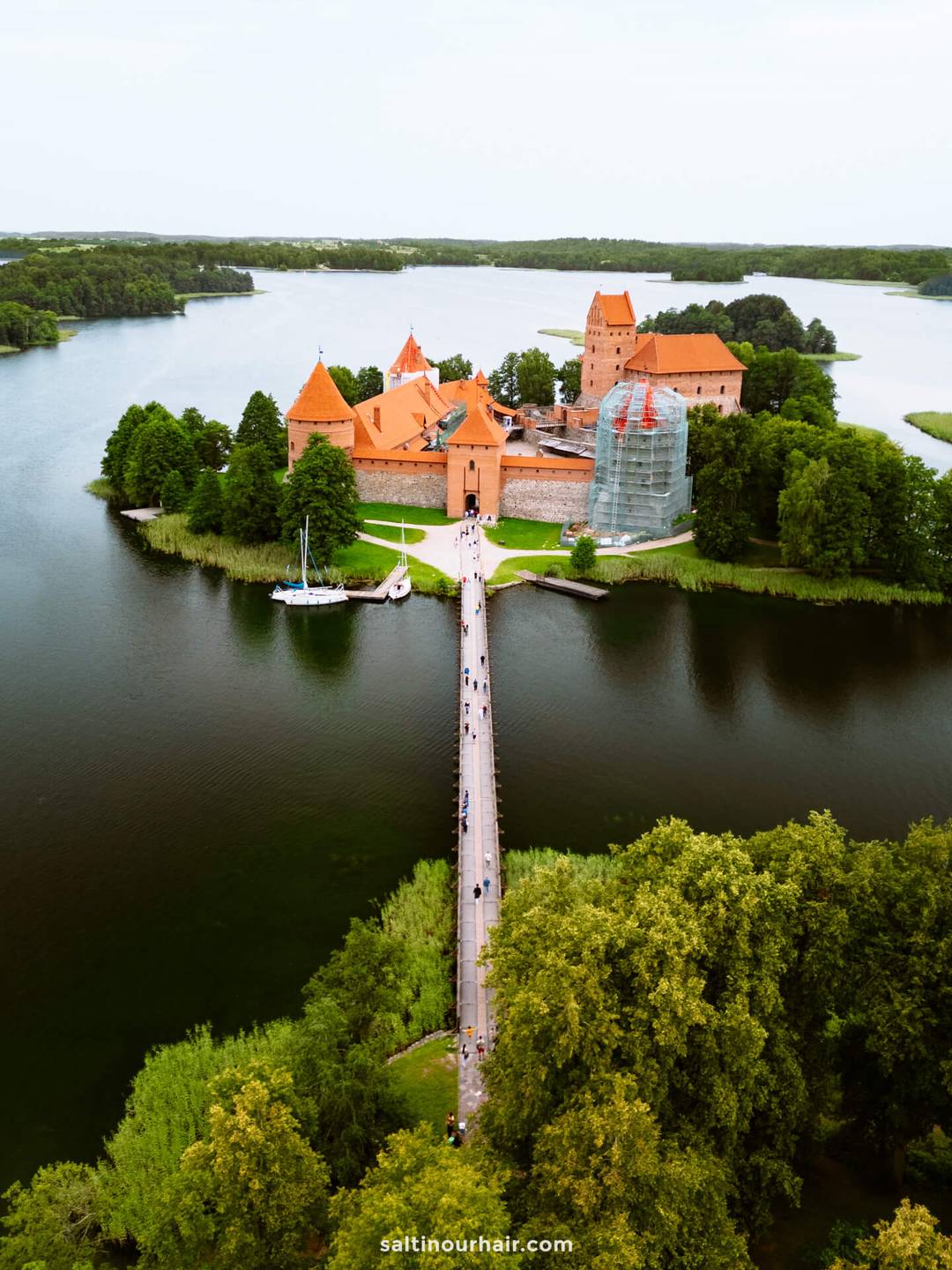

You can also visit inside the castle (€12 entry tickets), but we found that the views from the outside were beautiful enough! For a different view of the castle, rent a rowboat or pedal boat; this looked like a lot of fun, especially on a sunny day when the lake sparkled in the light.
We saw so many hot air balloons floating across the sky above the lake. Magical! You can book a ride here.
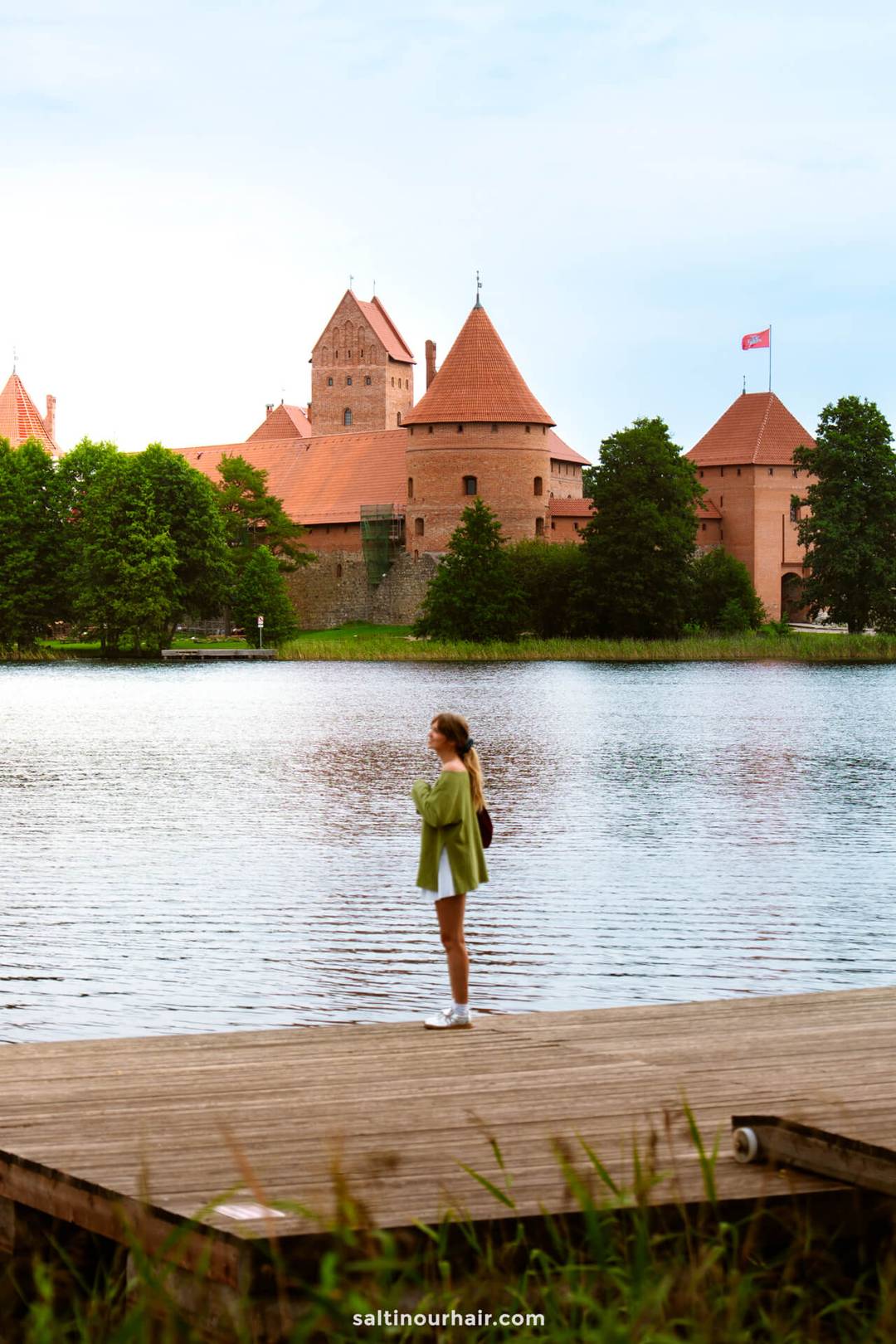

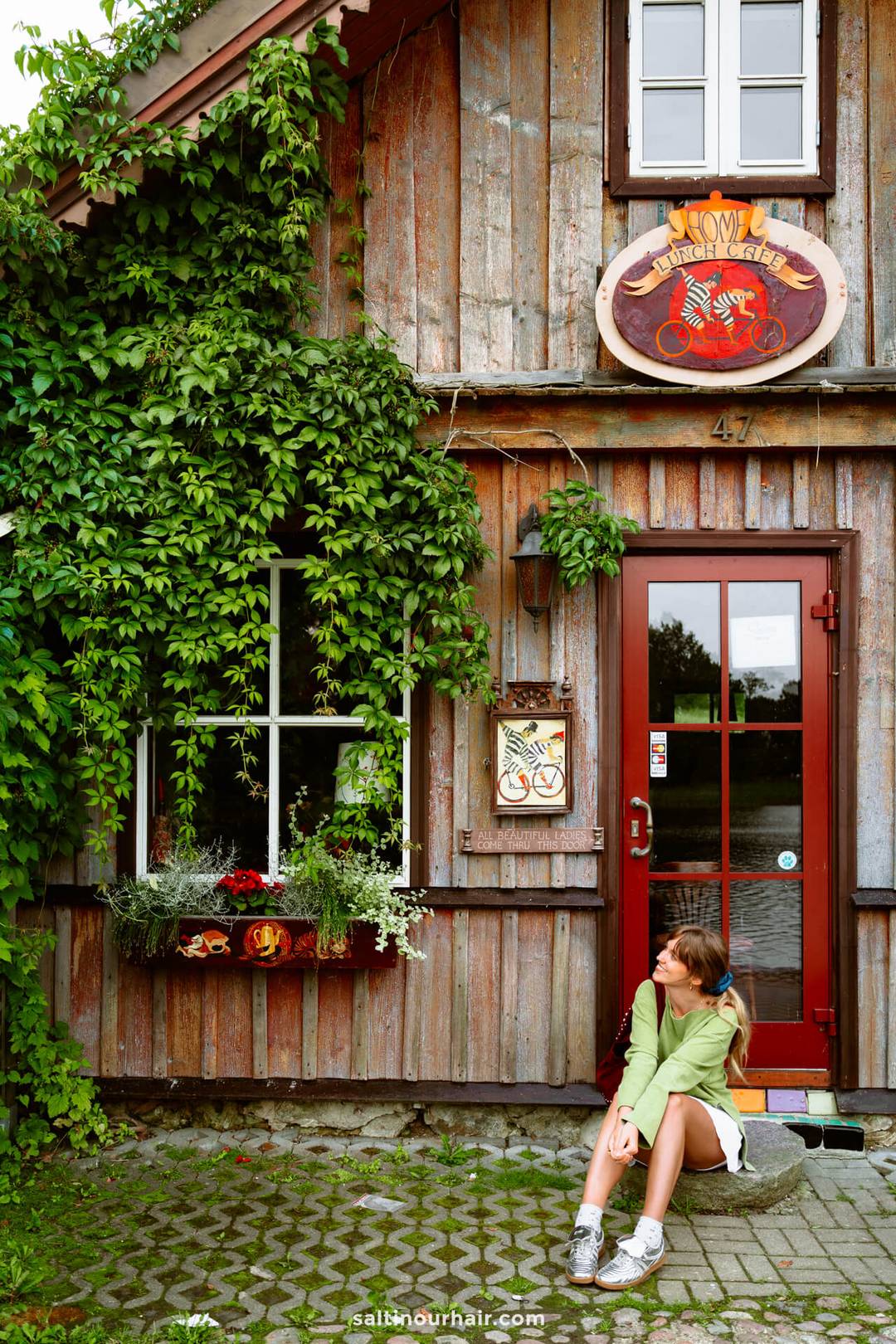

Optional Stop: Pažaislis Monastery
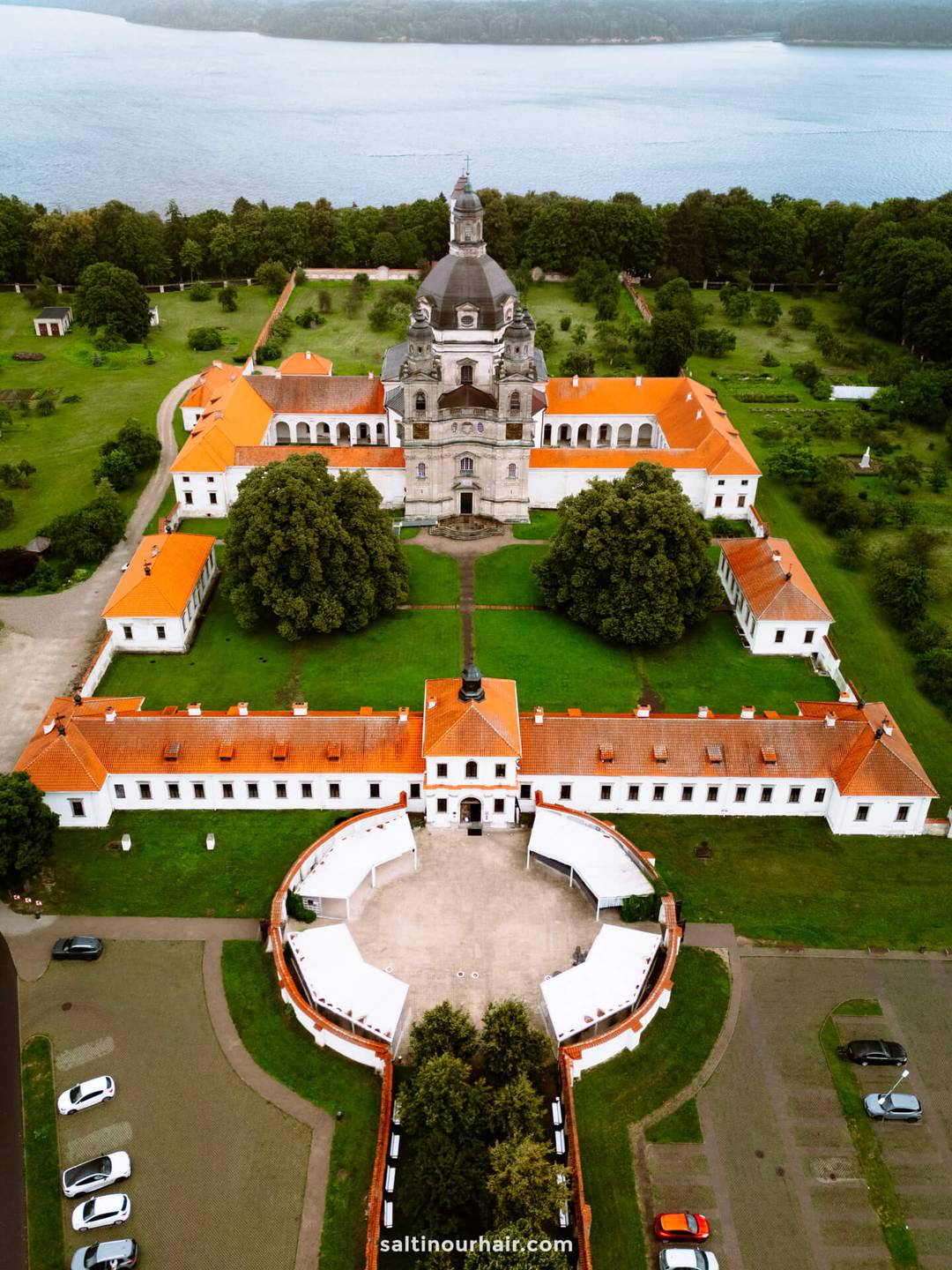
On our way to Kaunas, we stopped at the Pažaislis Monastery and Church, renowned for its stunning architecture. It’s also the oldest clock tower in Lithuania! On arrival, you’ll see this grand baroque building set amongst extensive grounds with sweeping views across the lake. We were really impressed!
Note: Many attractions in Lithuania are closed on Sundays and Mondays, so it’s worth checking opening hours ahead of time.

A quick visit to Kaunus
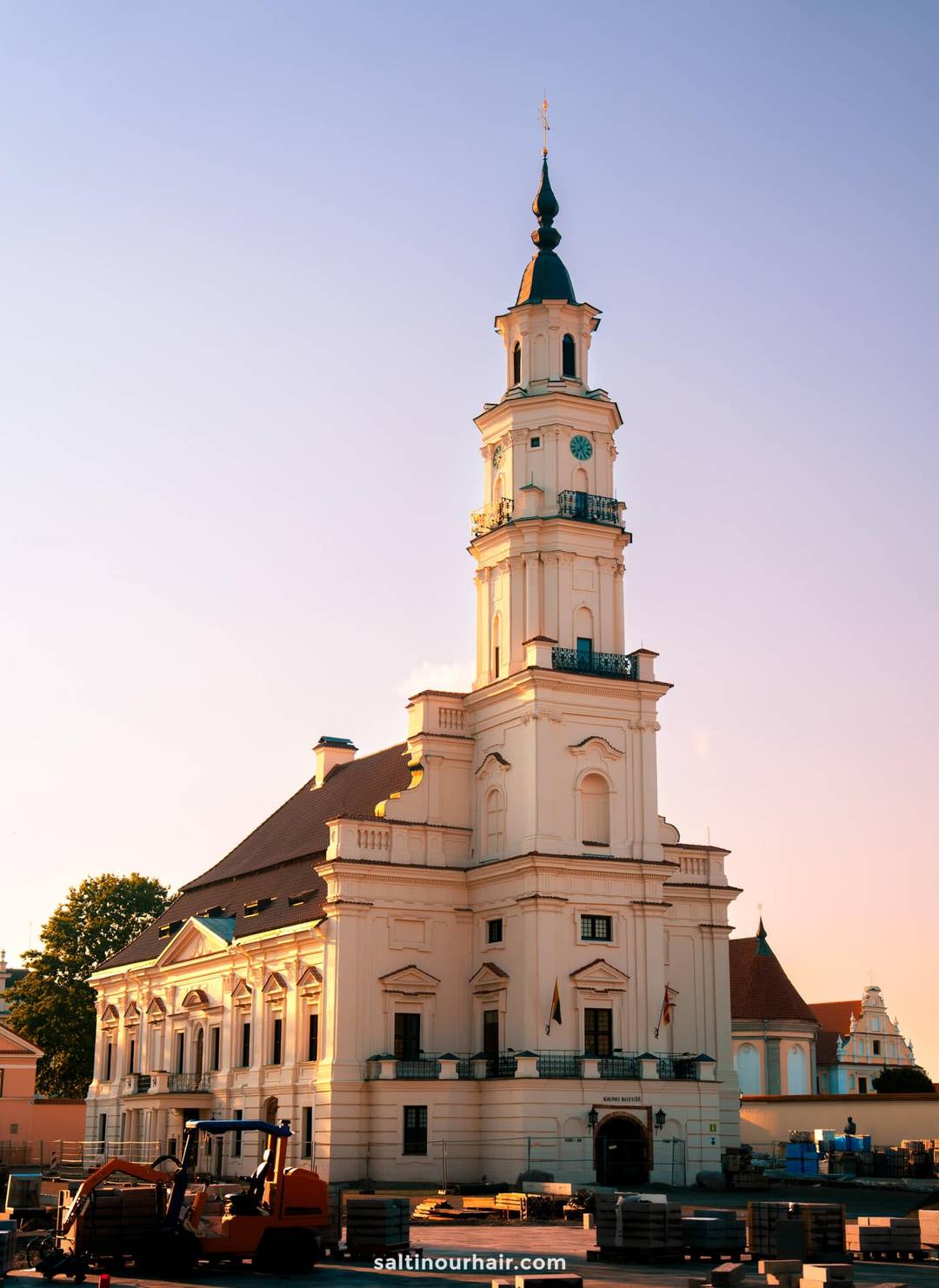
By afternoon, we arrived in Kaunas, Lithuania’s second-largest city. At first, it felt modern and industrial, but the Old Town quickly proved otherwise. Its pedestrian streets are full of character, lined with cute cafes and shops. We loved the super instagrammable Town Hall Square, framed by colorful houses and the tall white spire of the Town Hall.

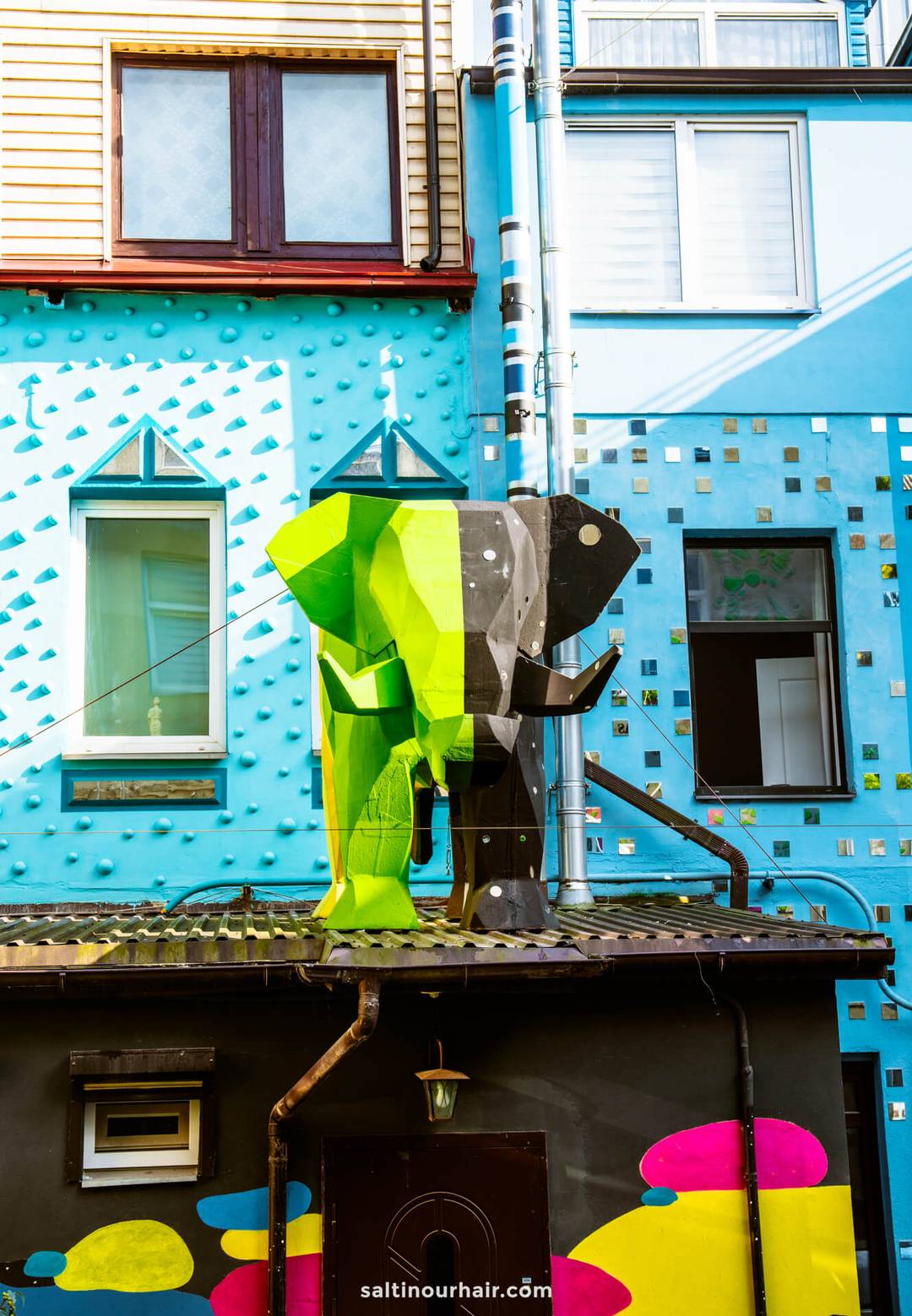
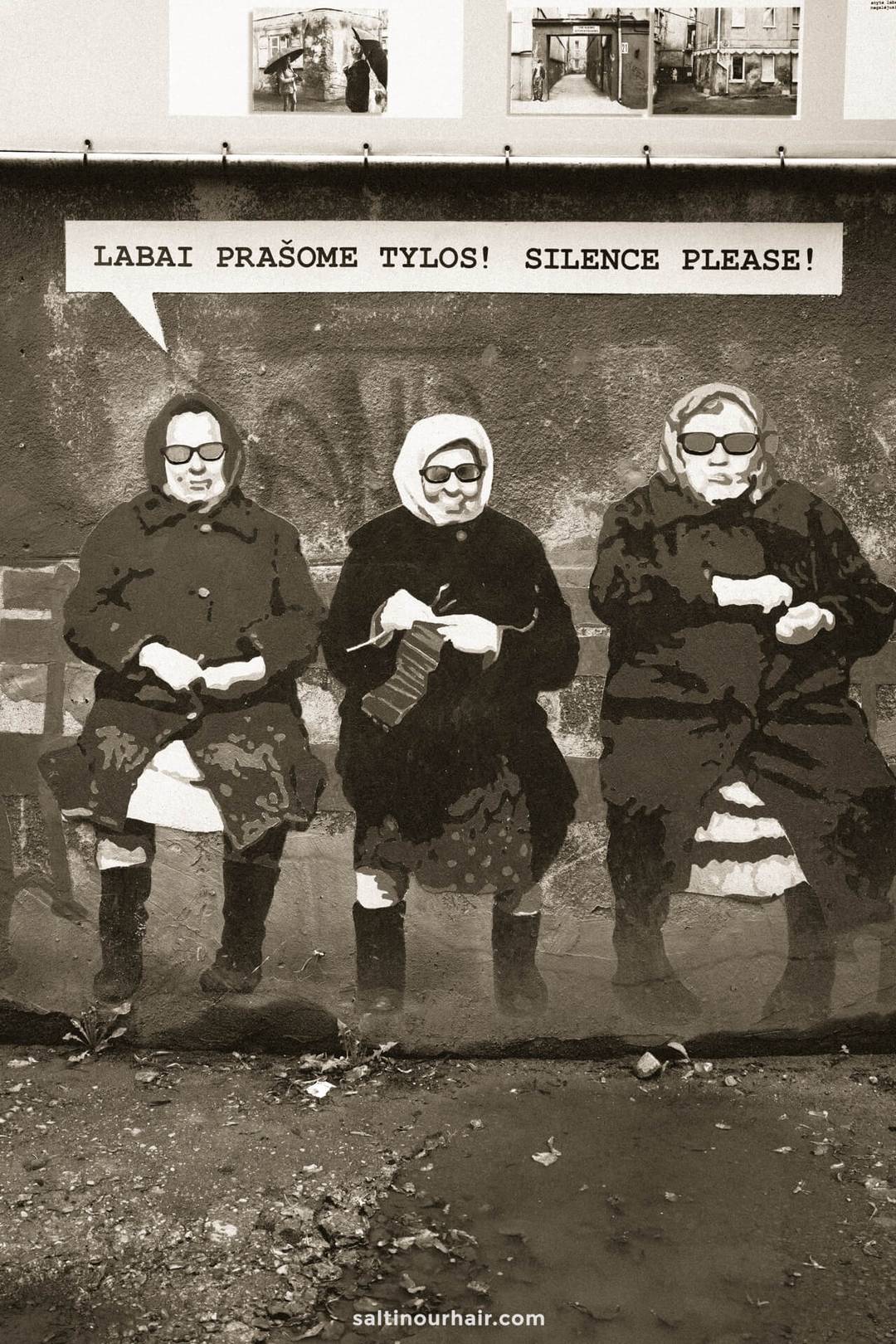
A highlight was the Yard Gallery, an open-air art project by local artist Vytenis Jakas, featuring murals, mosaics, and portraits of former Jewish residents. It felt both creative and moving.


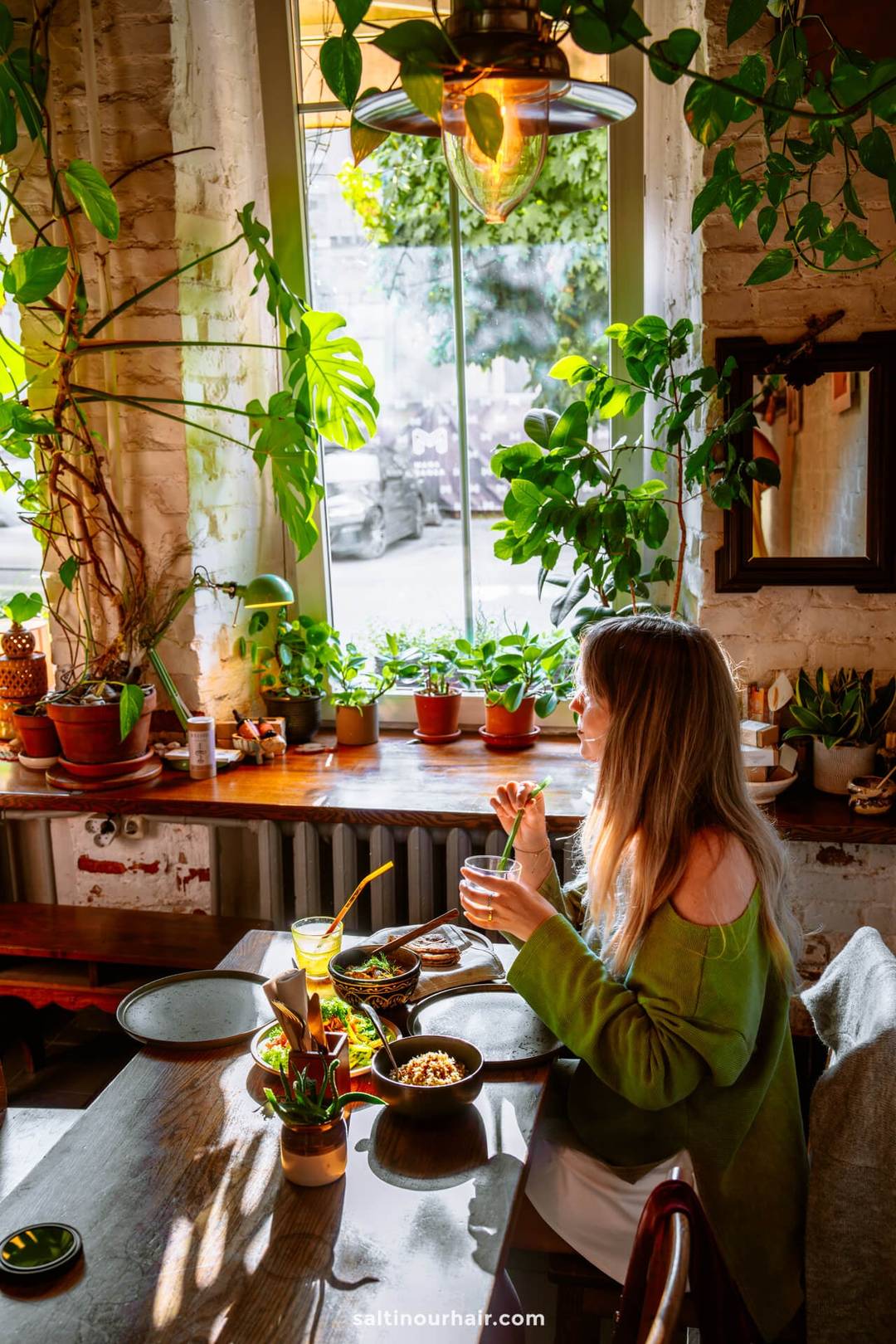
For dinner, we ate at Moksha — and despite it being unusual to eat Indian food in Lithuania, it was one of the best Indian meals we’ve ever had.

Where to Stay in Kaunas
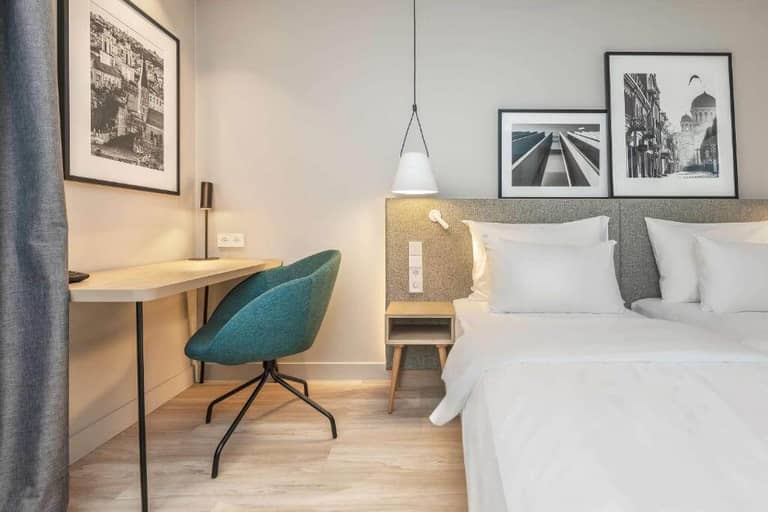
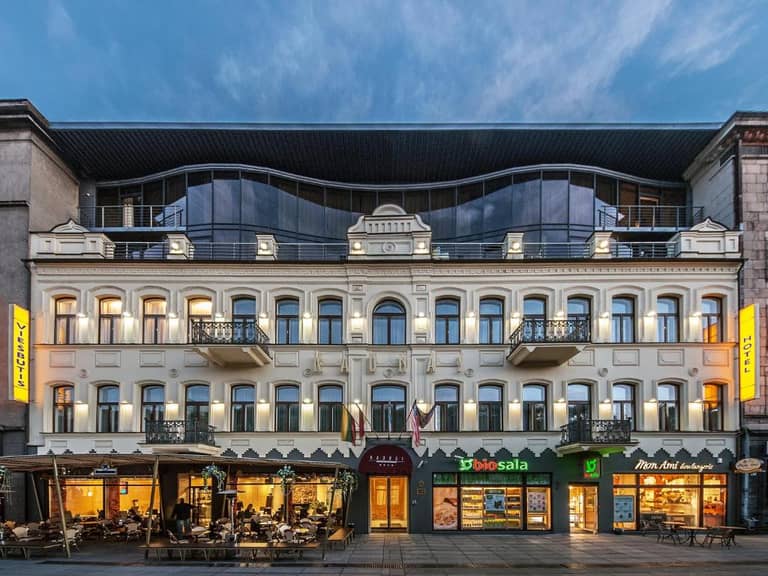
We stayed in the city center at Kaunas Hotel with a balcony on the promenade, which is a perfect walking distance to cover all the sites around town.
Our favorite hotels inKaunas
View all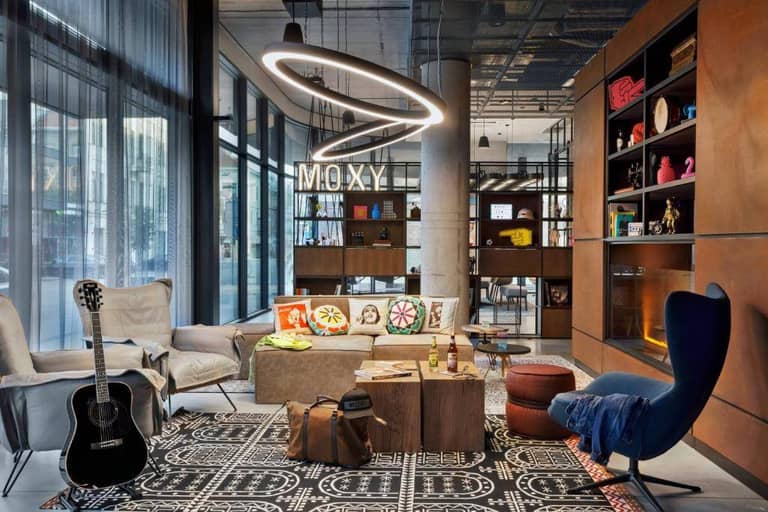

Day 2 recap:
- Trakai Castle
- Walk through Trakai Old Town
- Boat rental on Lake Galvė
- Stop at Pažaislis Monastery & Church
- Kaunas Old Town & Town Hall Square
- Main pedestrian street
- Yard Gallery
Day 3: Klaipėda & Nida
Who knew Lithuania had such great beaches? On day 3, we drove 2.5 hours from Kaunas to Klaipėda, Lithuania’s main harbor town on the Baltic Sea. We stopped here for a short beach visit, a stroll through town, and lunch (we booked a table at the delicious Momo Grill) before catching the ferry to the Curonian Spit.
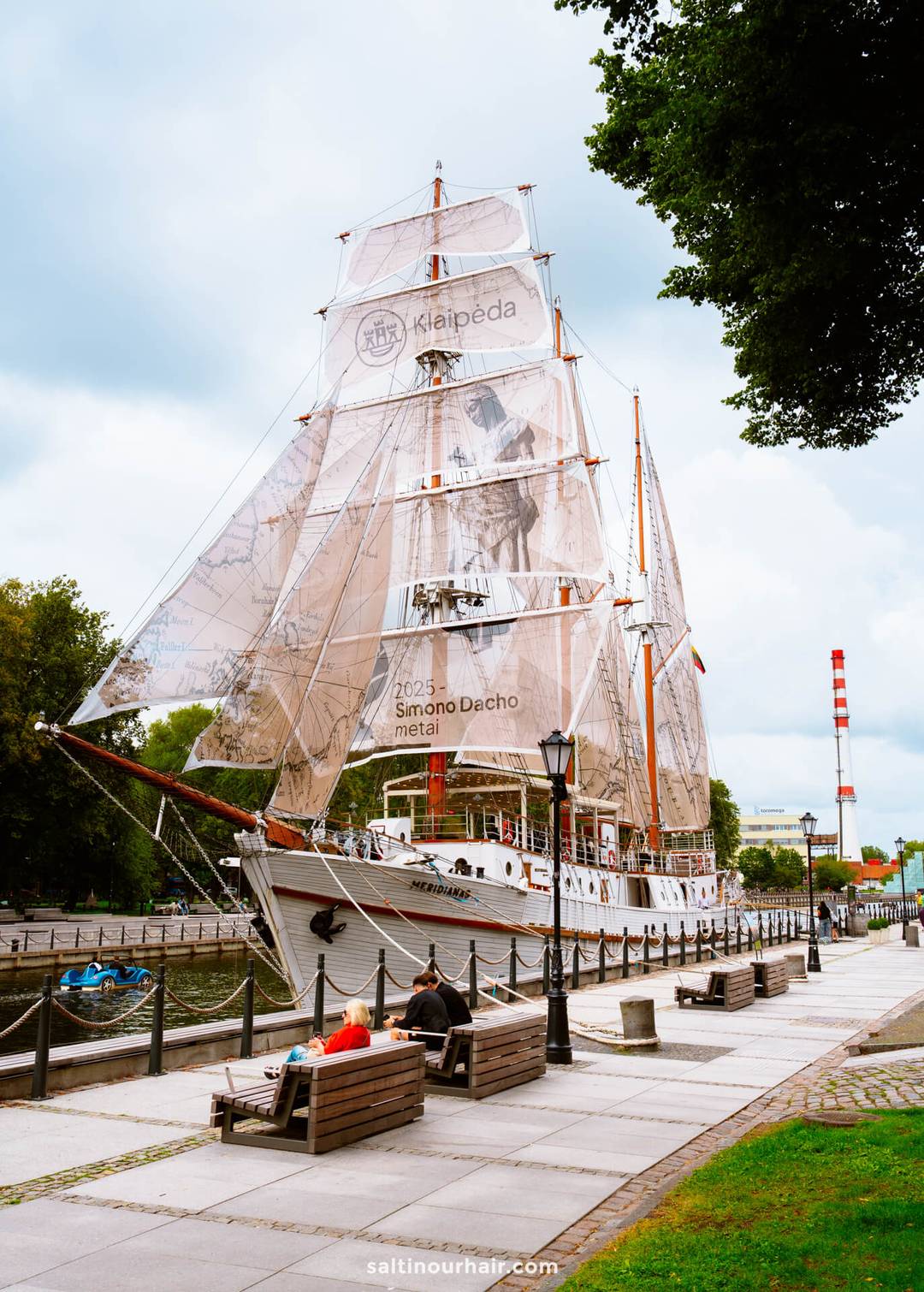

Klaipeda and its Beach
Klaipėda has a compact city center with a small square, a few restaurants, and one main street leading to the River Danė. You don’t need long, about an hour is enough to explore, but it was nice to stretch our legs after the drive.
This nighttime canoe tour of Klaipeda looks like such a unique way to see the city!
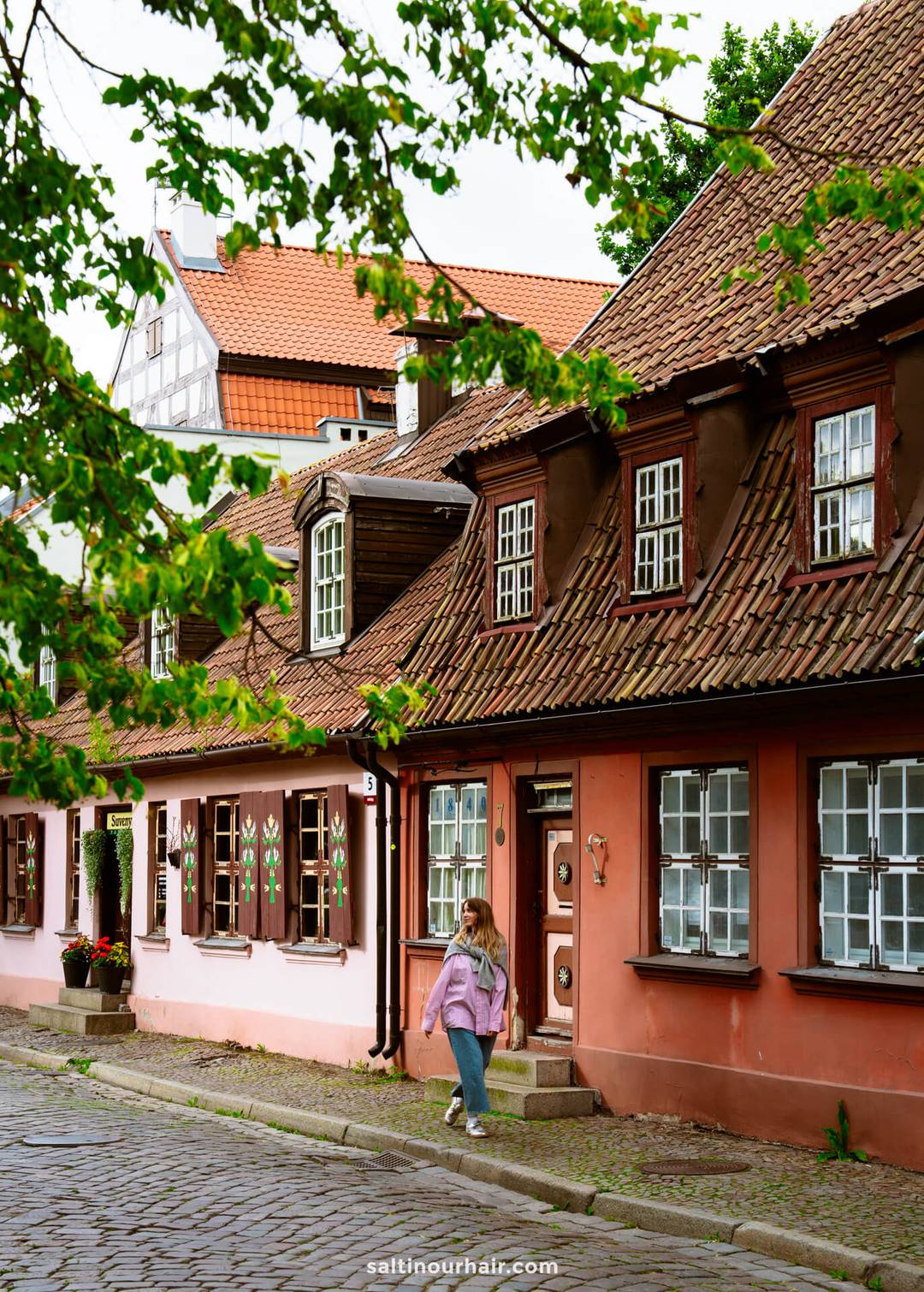

Just outside Klaipėda, we also took a walk along the coast. A path through tall pine trees led us to the beach, where dramatic cliffs and viewpoints like Olando Kepurės Skardis gave us amazing views of the shoreline. We visited on a cloudy day, and it was still beautiful, so we can’t imagine how it must be in the sunshine.
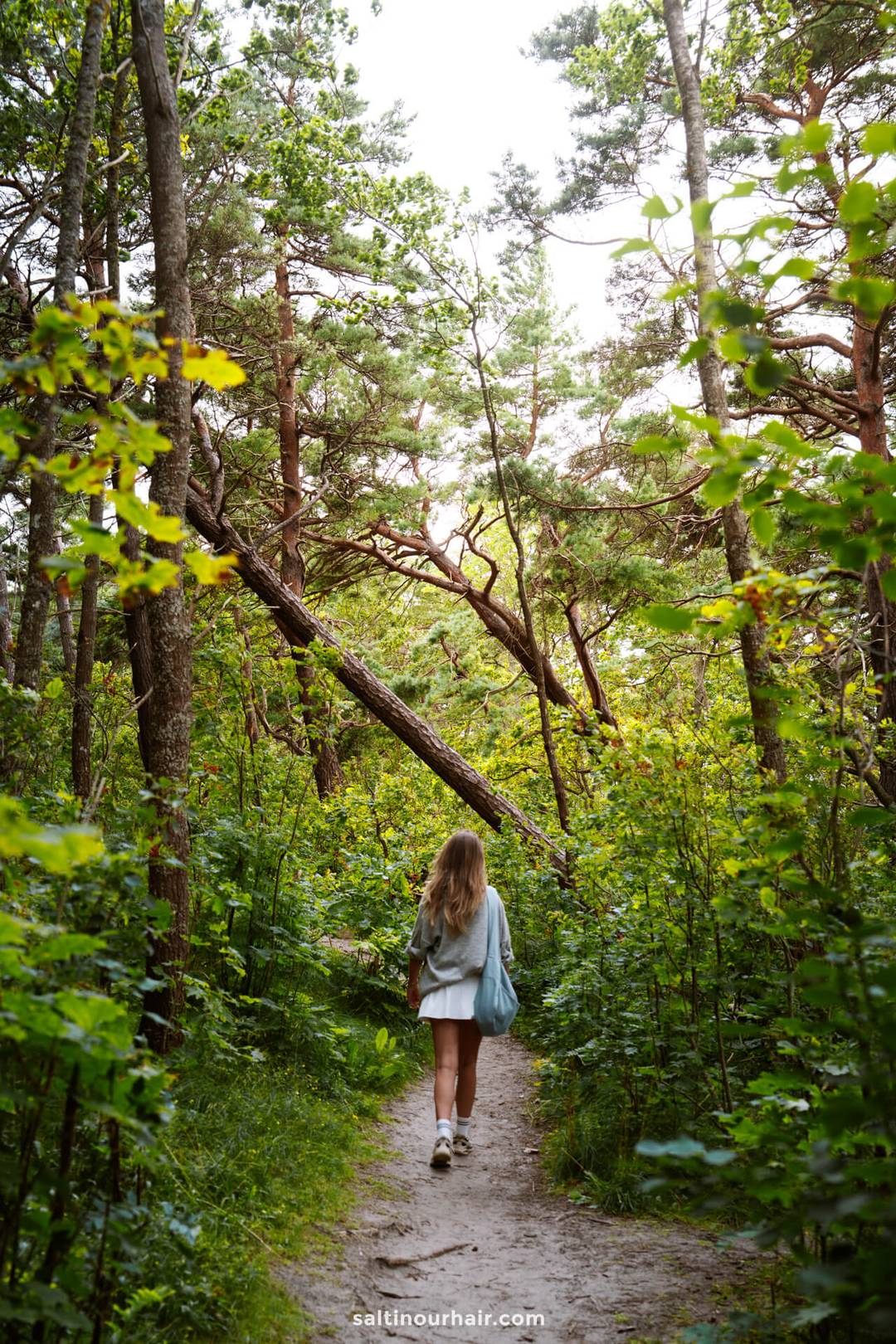

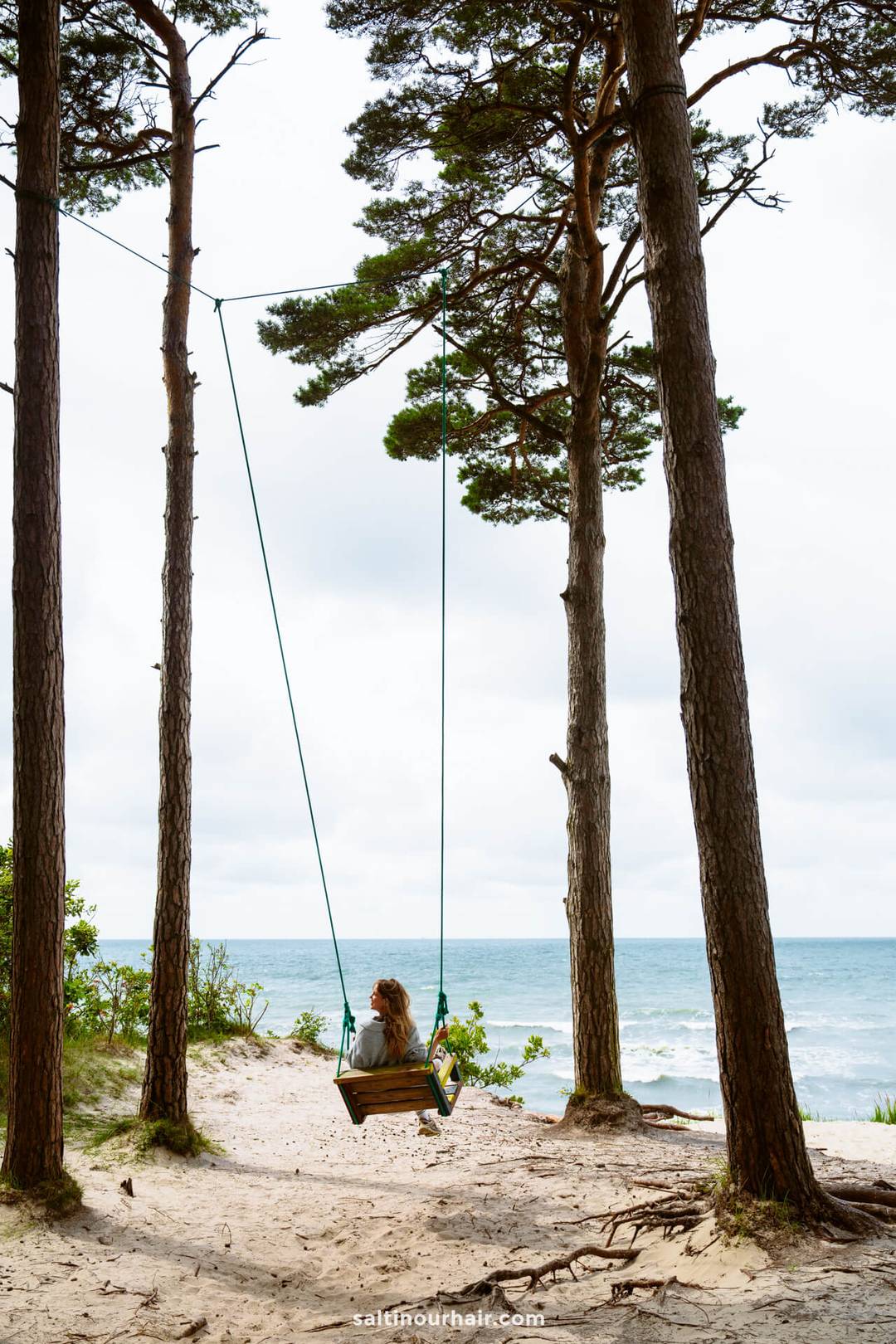

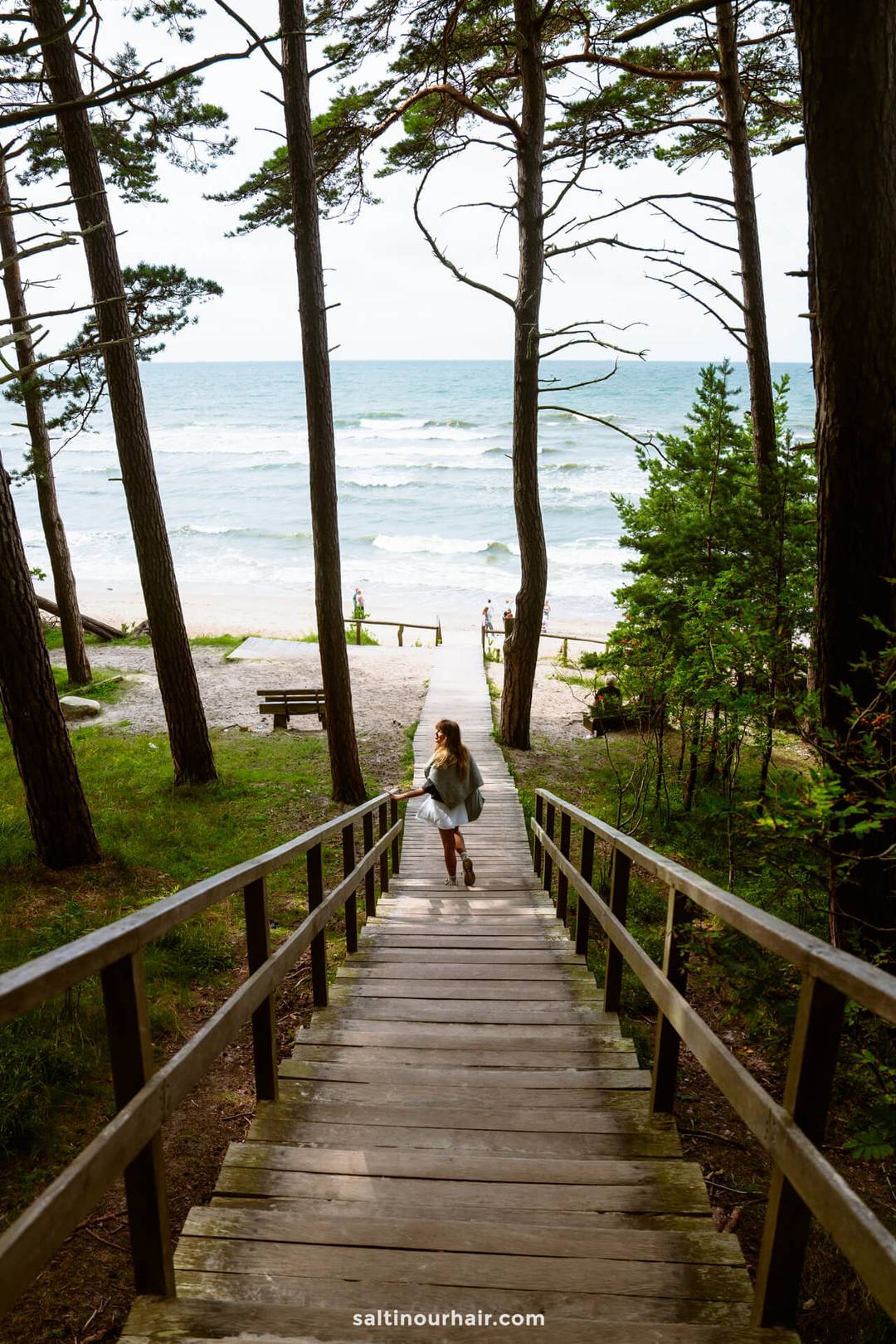

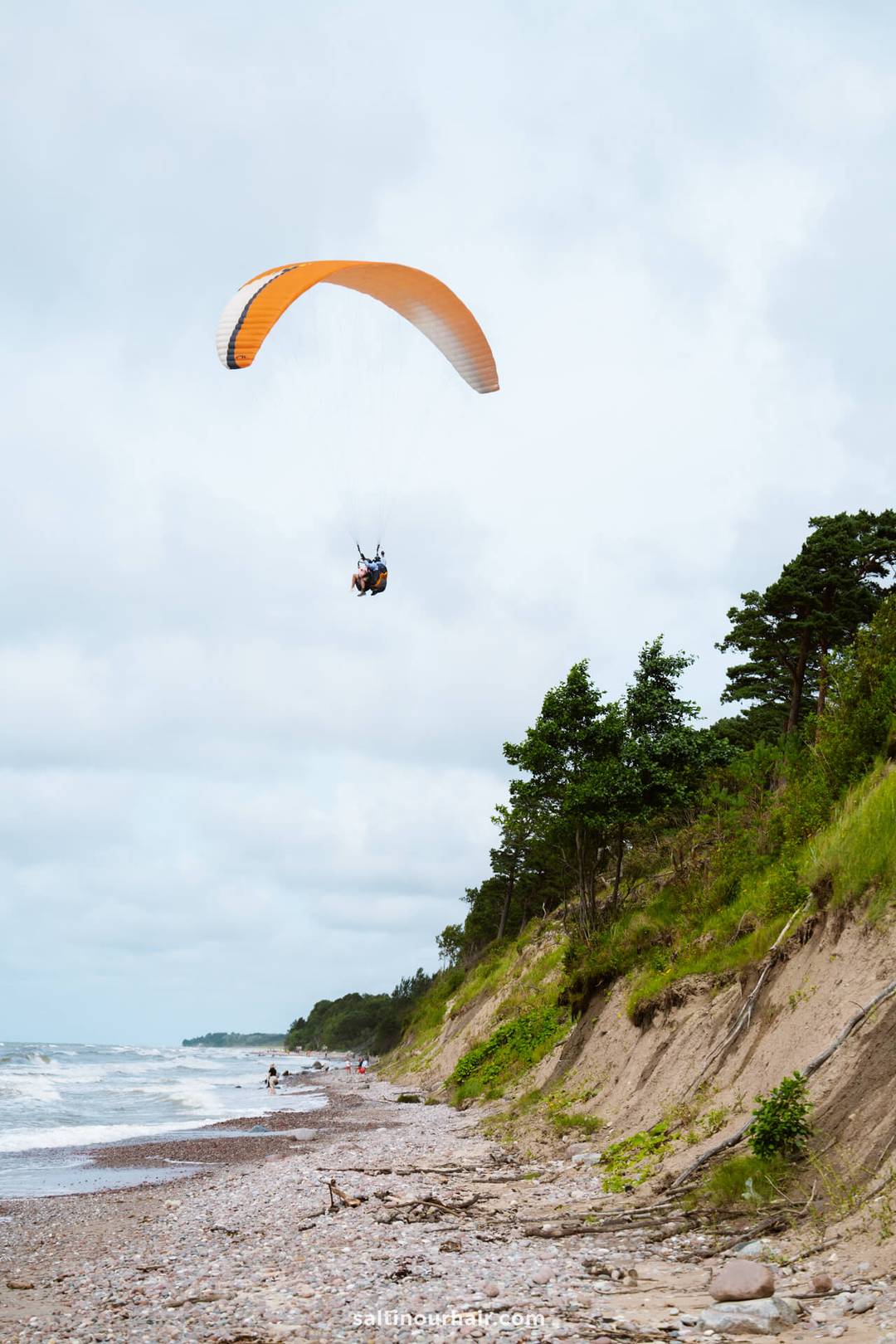
We also saw numerous paragliders in Klaipėda, which we really wished we had known about before going, as it looked like so much fun!

Curonian Spit
The Curonian Spit is a narrow sand peninsula that stretches nearly 100 kilometers, half belonging to Lithuania and half to Russia’s Kaliningrad. It’s like nowhere else in Europe, with towering dunes, endless pine forests, and fishing villages that seem completely untouched by the modern world.
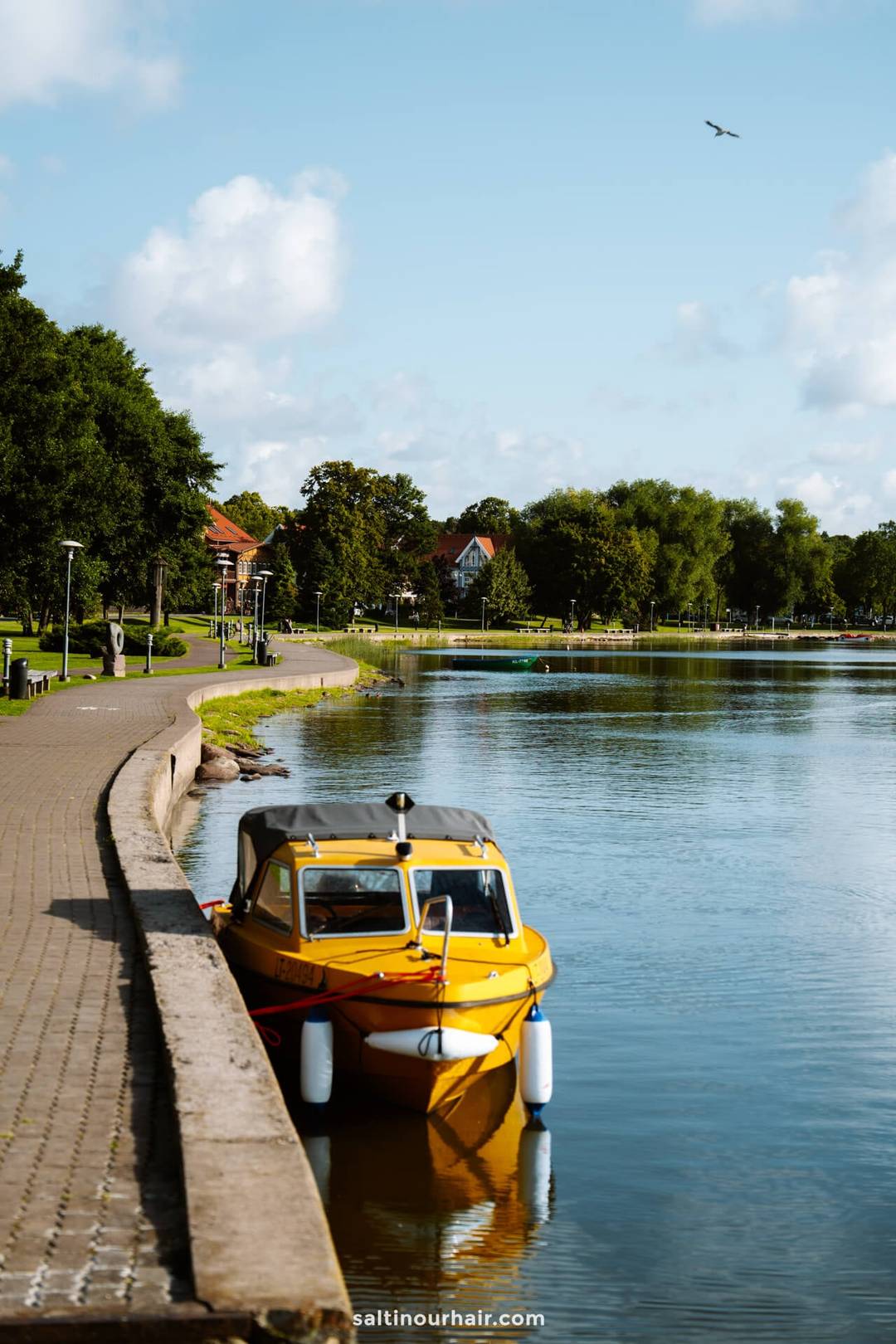

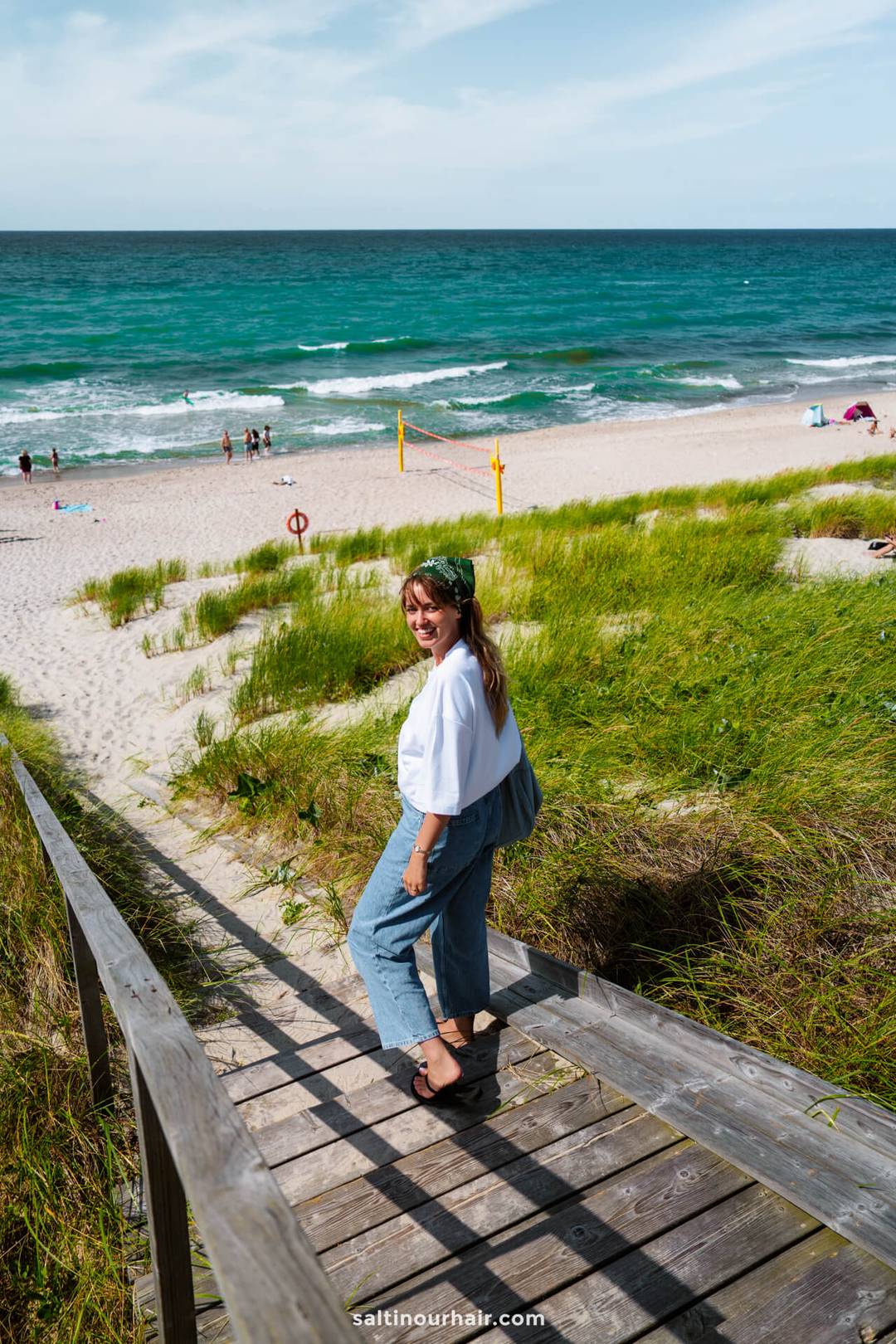


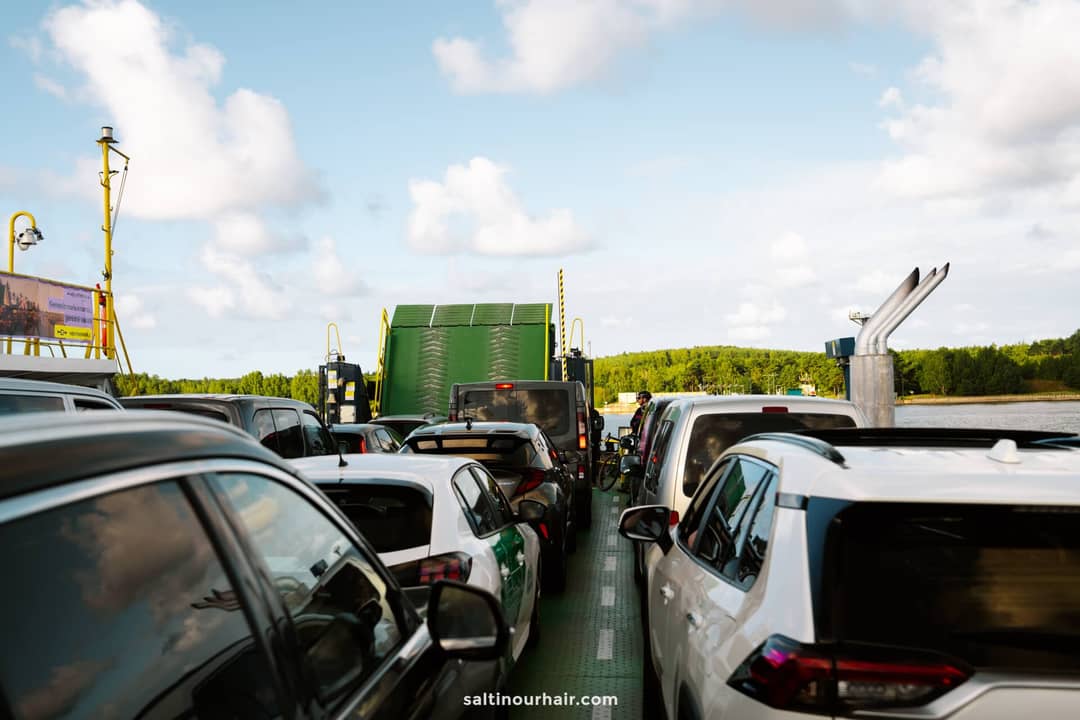
From Klaipėda, ferries run every 20 minutes in summer, and the crossing takes 5 minutes. Tickets cost €23.20 return for cars, and once you’re on the spit, there’s an entry fee of €50 for regular vehicles (€25 for electric). It is pricey, but this unique landscape is worth the visit!
If you’re staying in a hotel in Klaipeda, or don’t have your own car, you can also book a day tour to the Curonian Spit with all transport and tickets included.

Beautiful Nida on the Curonian Spit
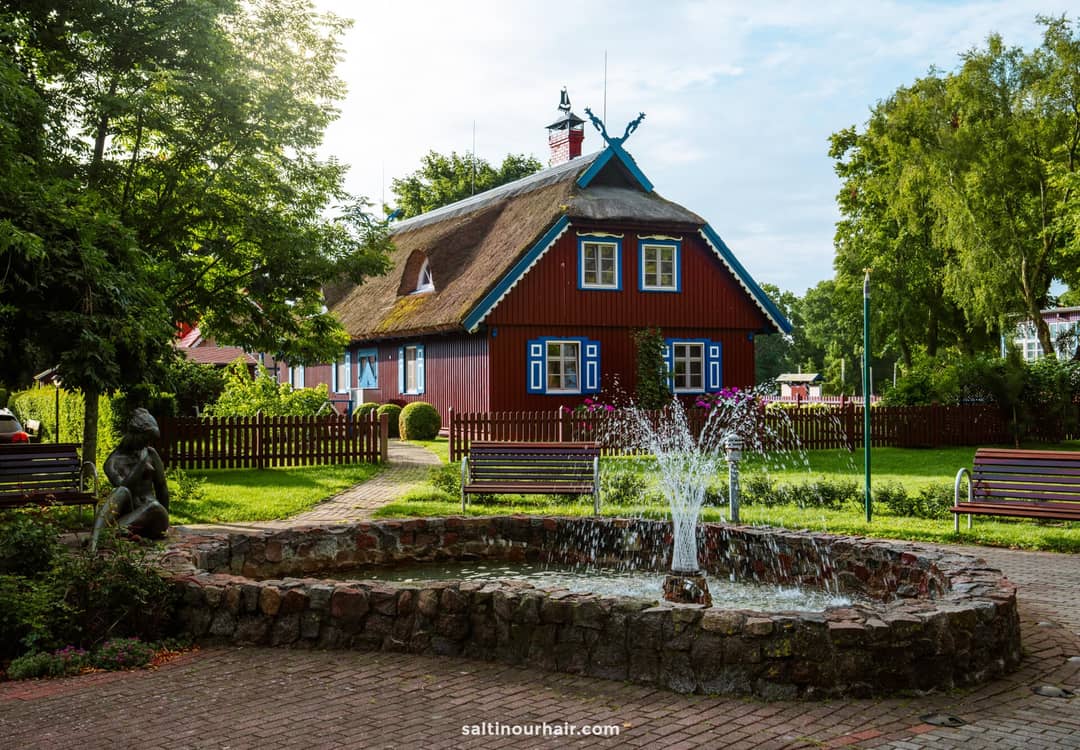
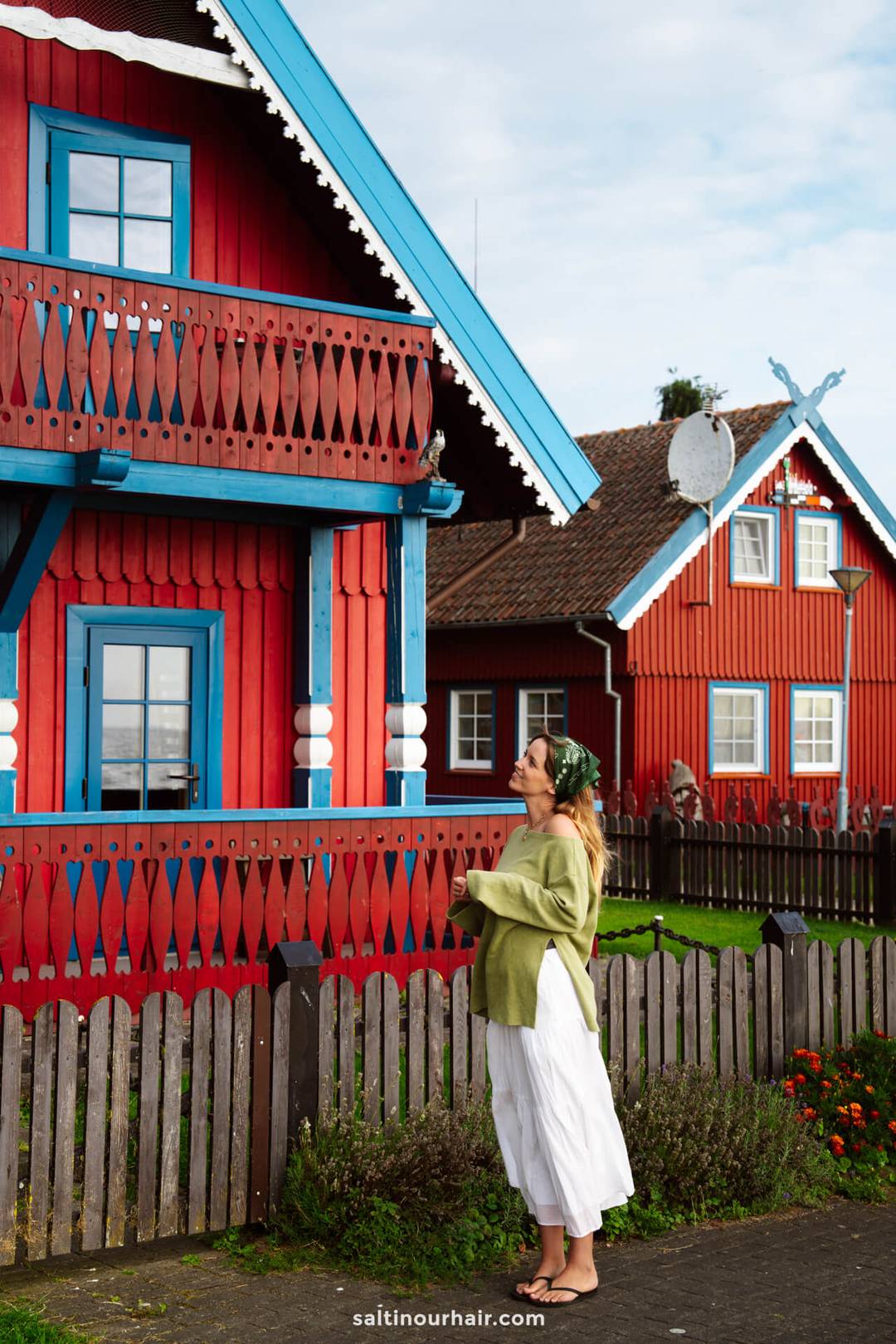
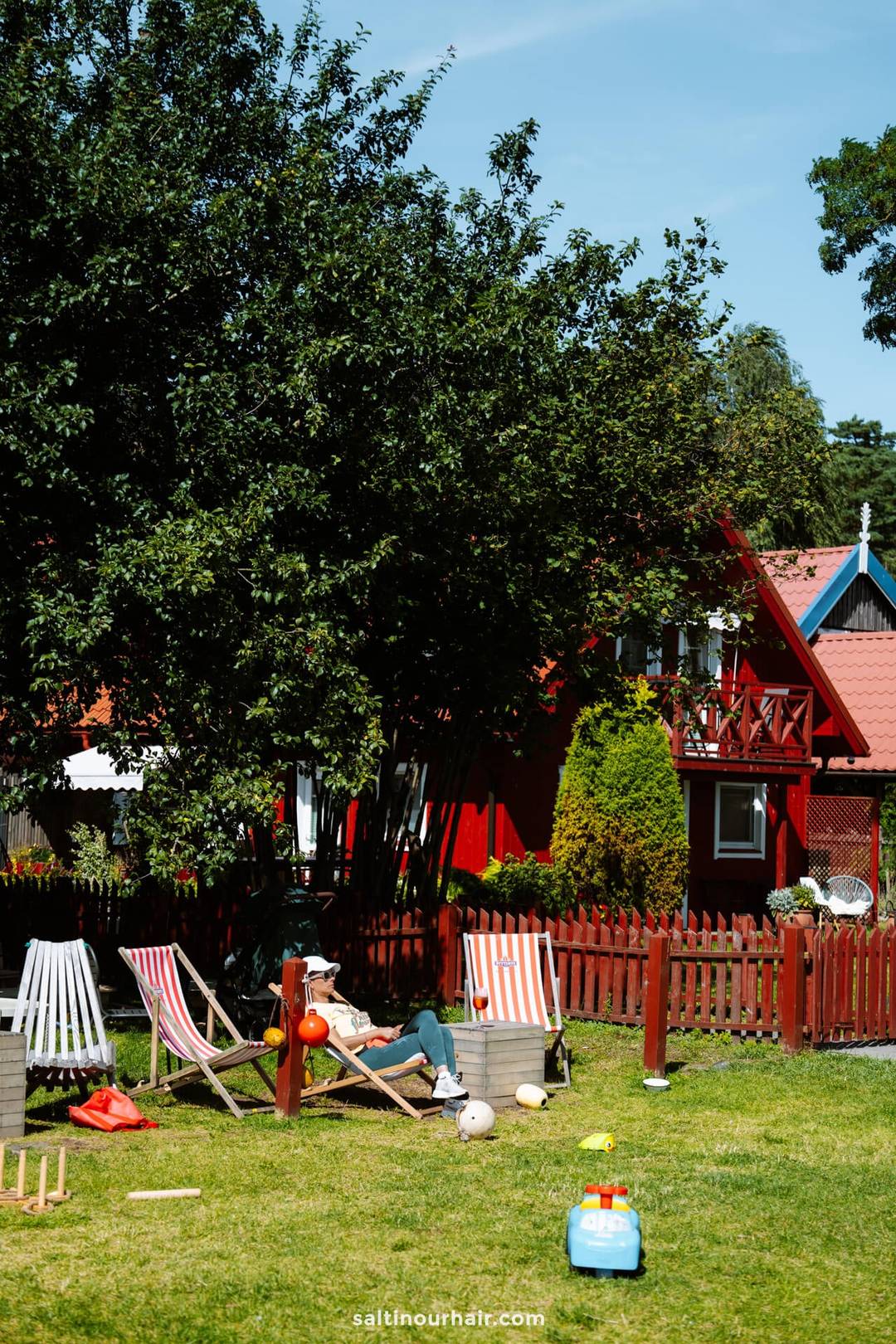
From there, we drove south to Nida, our base for the next two nights of this Lithuania itinerary. Nida is very cute with painted wooden houses, good restaurants and promenades you can stroll in the evening. Behind Nida, you will find white sandy beaches with small beach cafés hidden in the dunes.

Where to Stay in Nida
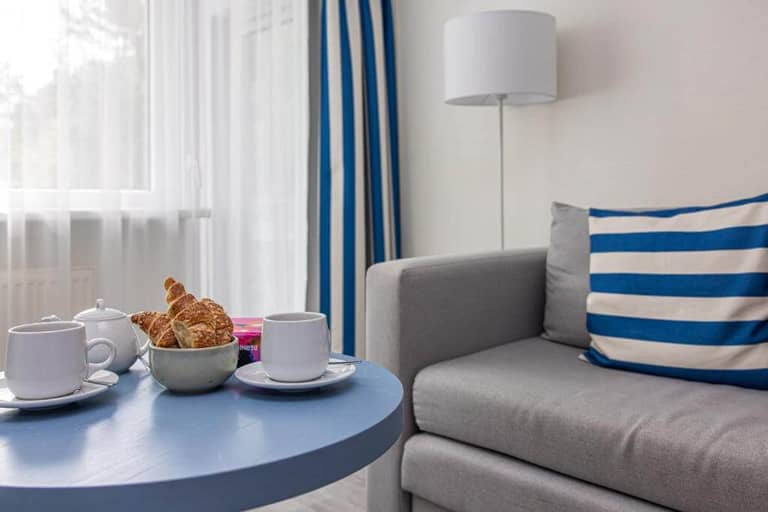
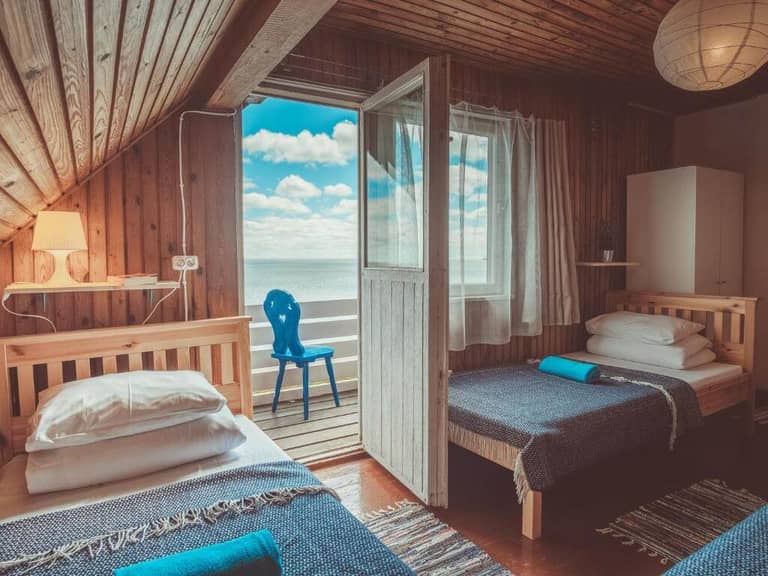
The only downside in Nida for us was the accommodation. We booked late so there weren’t any good options left, and we ended up staying somewhere that wasn’t good, so we won’t share that with you haha 😉. So, book ahead! Below are the options we do recommend:
Our favorite hotels inNida
View all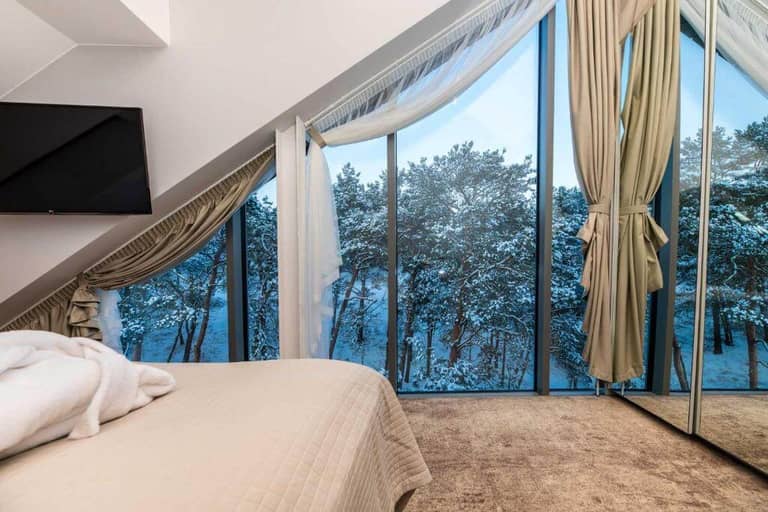

Day 3 recap:
- Drive from Kaunas to Klaipėda
- Visit Klaipeda and its beaches
- Ferry to the Curonian Spit
- Drive along the Curonian Spit
- Nida town
Day 4: Visit the Curonian Spit
We dedicated this day entirely to the Curonian Spit, and it quickly became the highlight of our Lithuania itinerary.
Dead Dunes, Curonian Spit
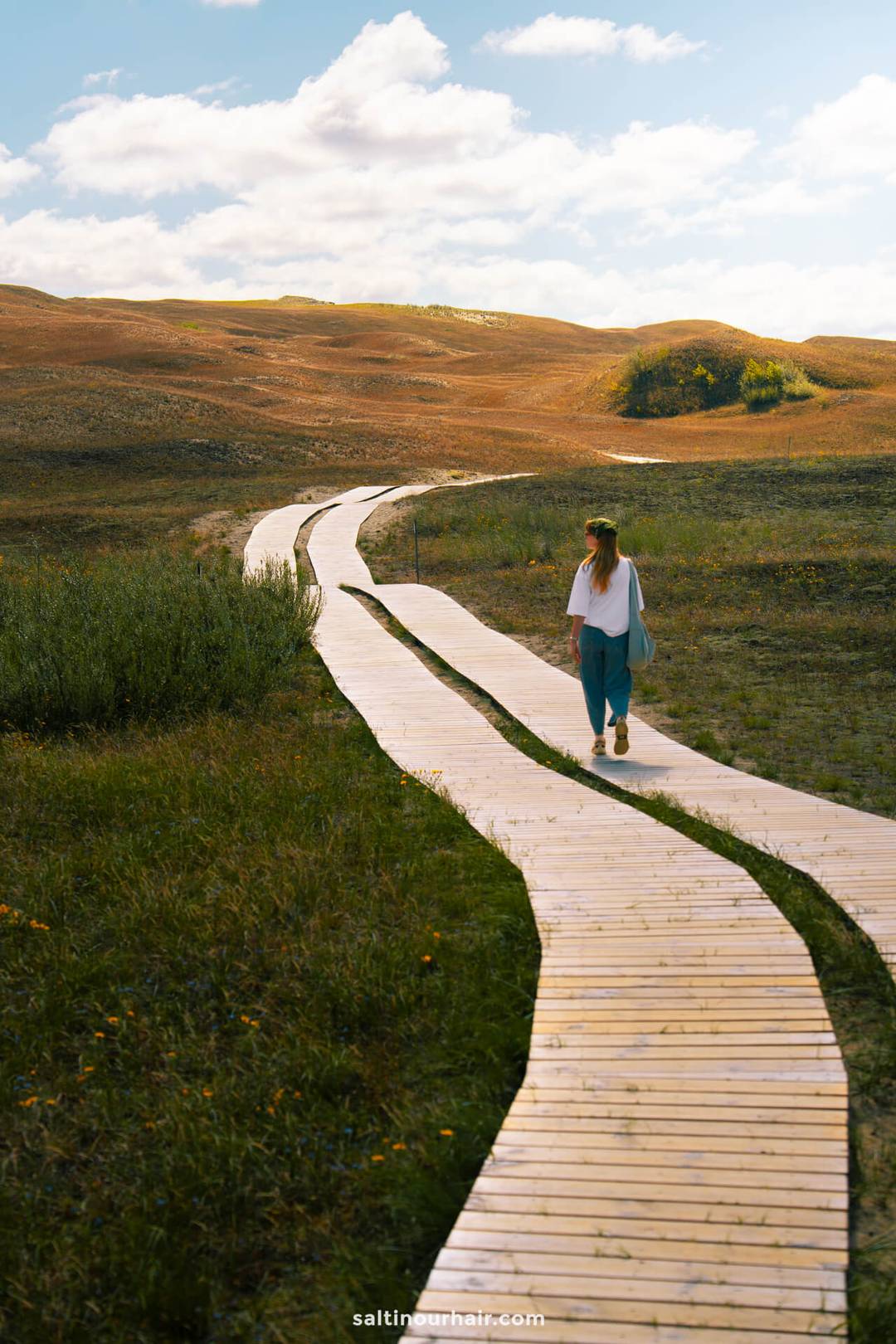
First, we visited the Dead Dunes, a protected area featuring a wooden boardwalk that leads through towering sand formations. After the boardwalk ends, the trail continues on soft sand, which is tiring but rewarding. The views and shifting dunes were beautiful scenery; they reminded us of the Sahara, but with a cool Baltic breeze.
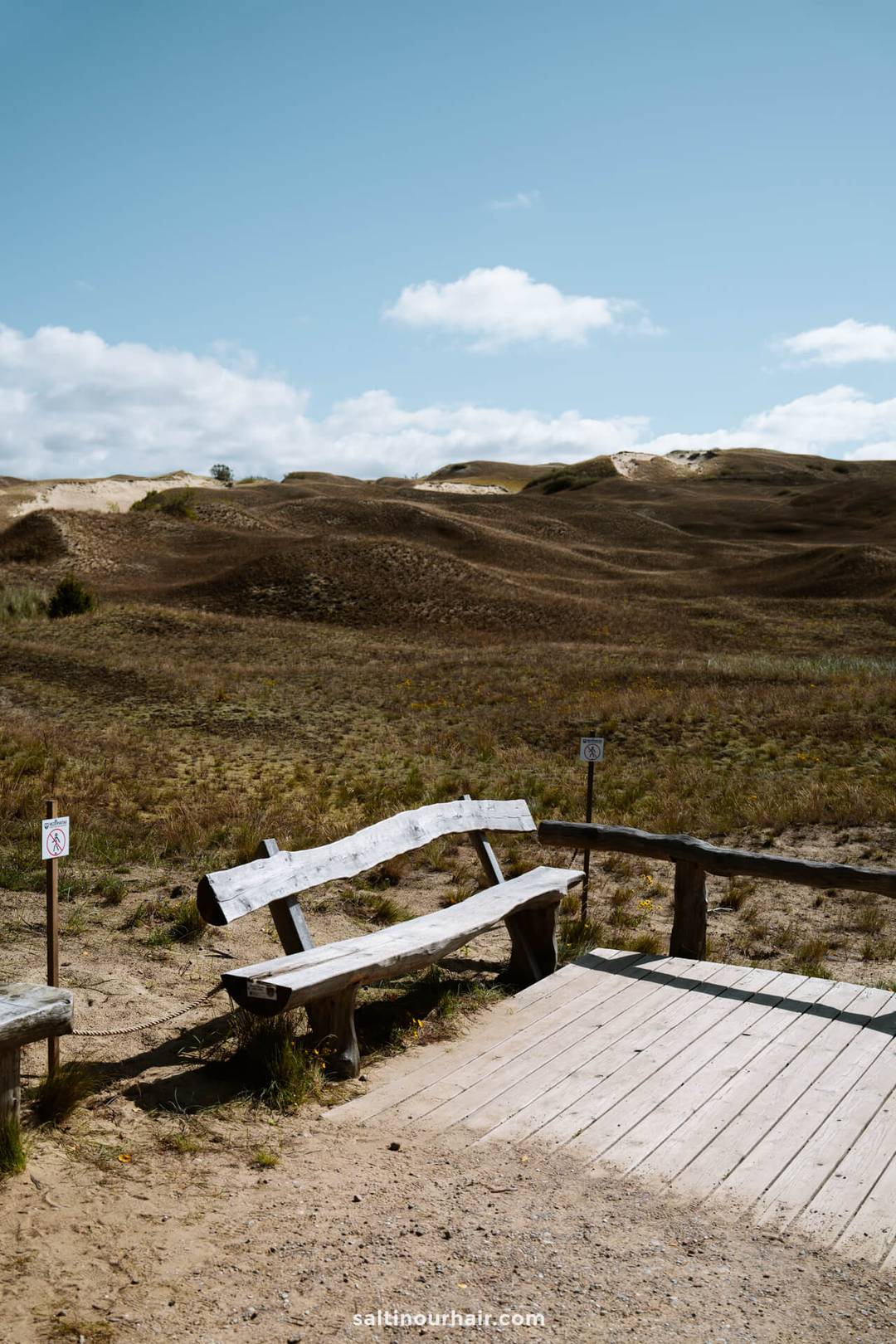

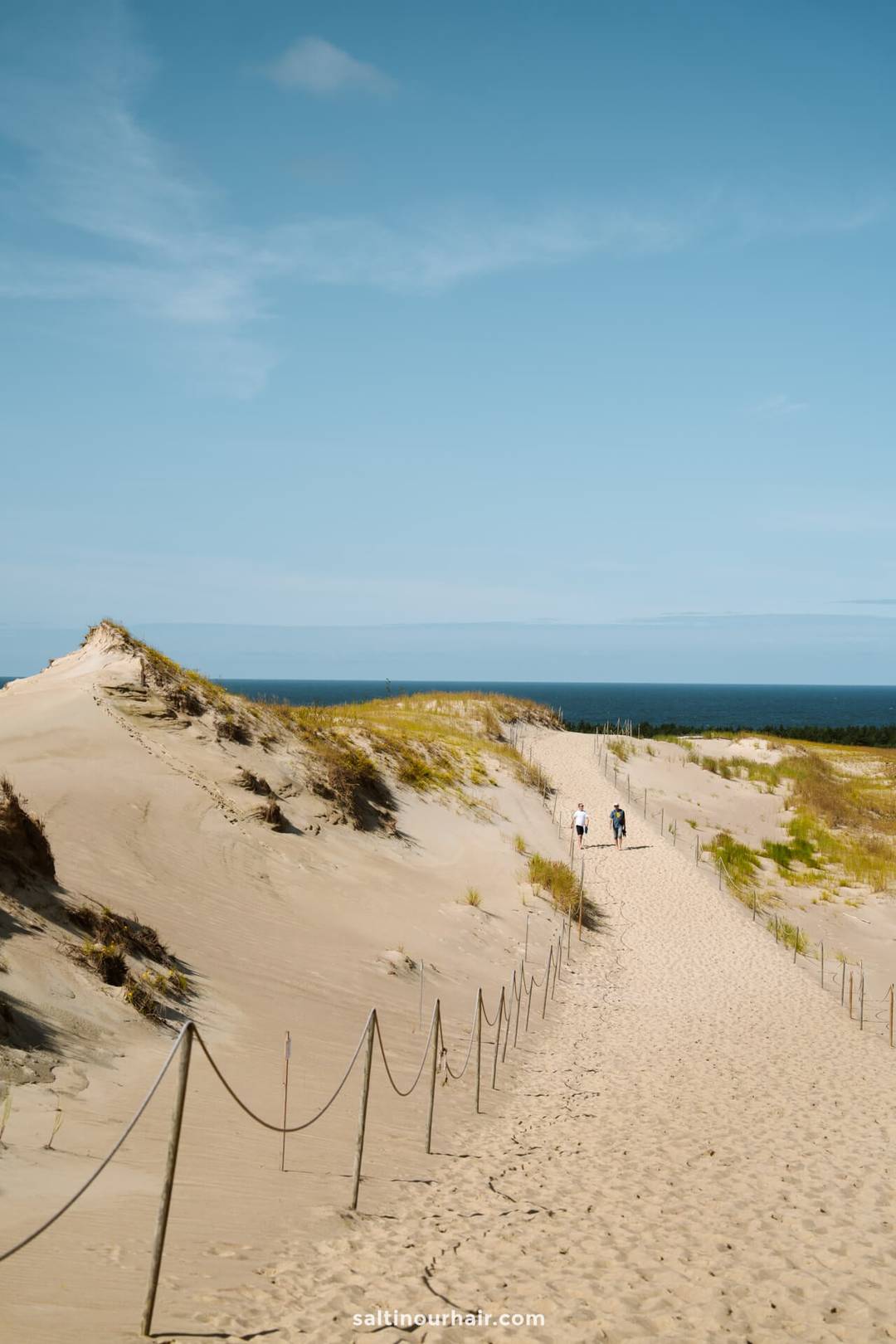

Note: Honestly, the €5 entrance fee felt a little steep on top of the car fee, but it was still lovely to see the view from the dunes. We think you’d get an even better view from this awesome canoe tour that passes through the dunes (book it here).

Witch’s Hills, Curonian Spit
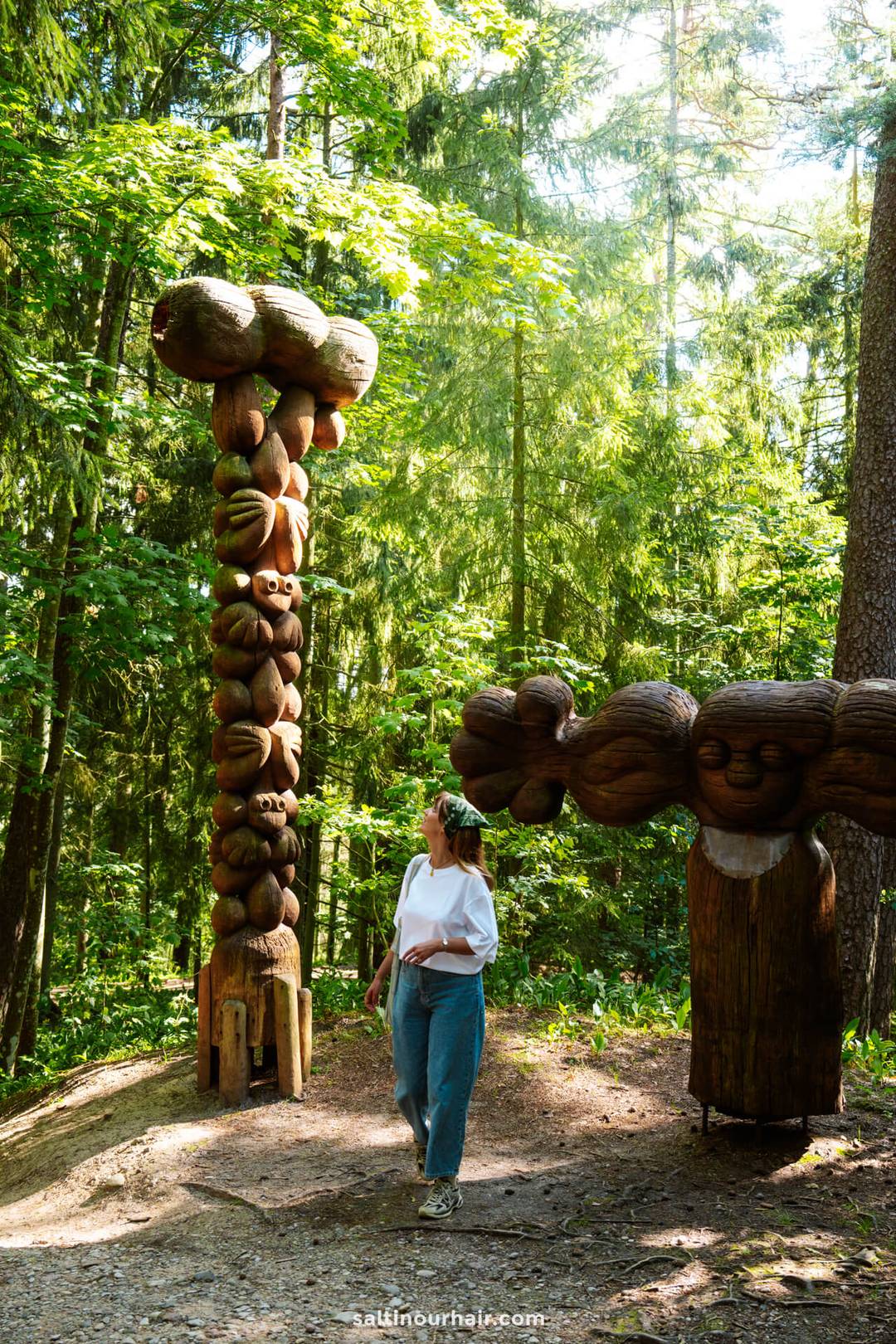
We stopped in Juodkrantė, a small, calm resort town with wooden houses and lakeside restaurants. This is also where you’ll find Witch’s Hill (Raganų Kalnas), a whimsical outdoor sculpture park in the forest. Around 80 wooden statues depict Lithuanian legends and fairy tales. It’s free to enter and only takes about 20 minutes to walk through, making it a perfect quick stop to learn more about the region’s culture.

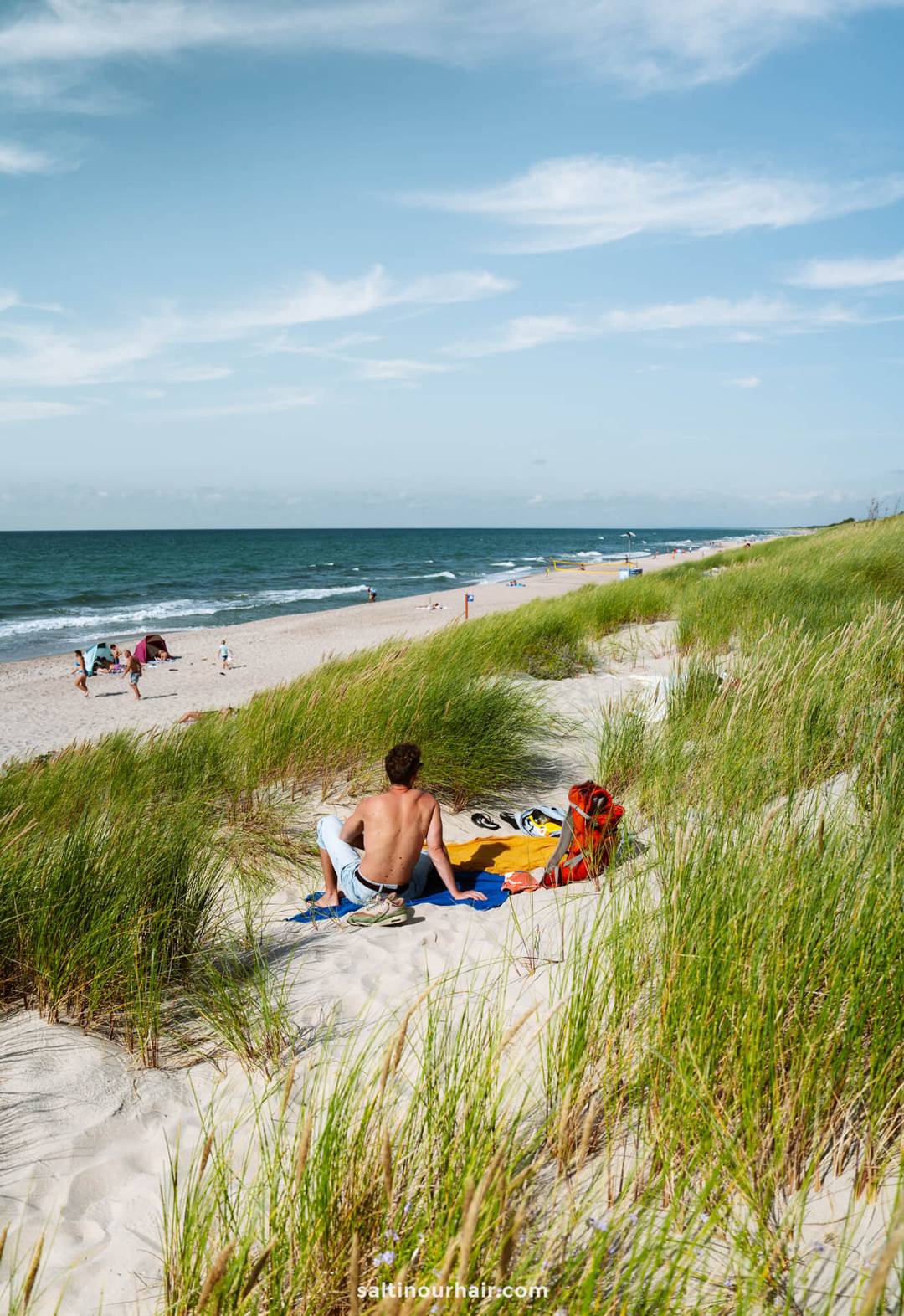

We sat at a small dune café, sipping coffee, and watched locals play volleyball as the sun began to set. It was the kind of day where time seemed to slow down, and we were glad we had chosen to spend the night here instead of Klaipėda.
Tip: Rent a bike on the island; the entire west side of the spit features biking lanes (40 kilometers of dedicated path!), making it perfect for exploring by bike.

Day 4 recap:
- Dead Dunes hike & boardwalk
- Juodkrante and Witch’s Hill
- Relax at Nida Beach
- Evening stroll in Nida town
Day 5: Amber Museum & Hill of Crosses
After a slow morning in Nida, sipping coffee in the town square (we loved Vero Cafe!), we caught the ferry back to Klaipėda and continued north along the coast to Palanga.
Palanga Amber Museum in Lithuania
Palanga is Lithuania’s most popular seaside resort, and in summer (when we visited), its pedestrian center is filled with shops, cafés, and families on holiday.
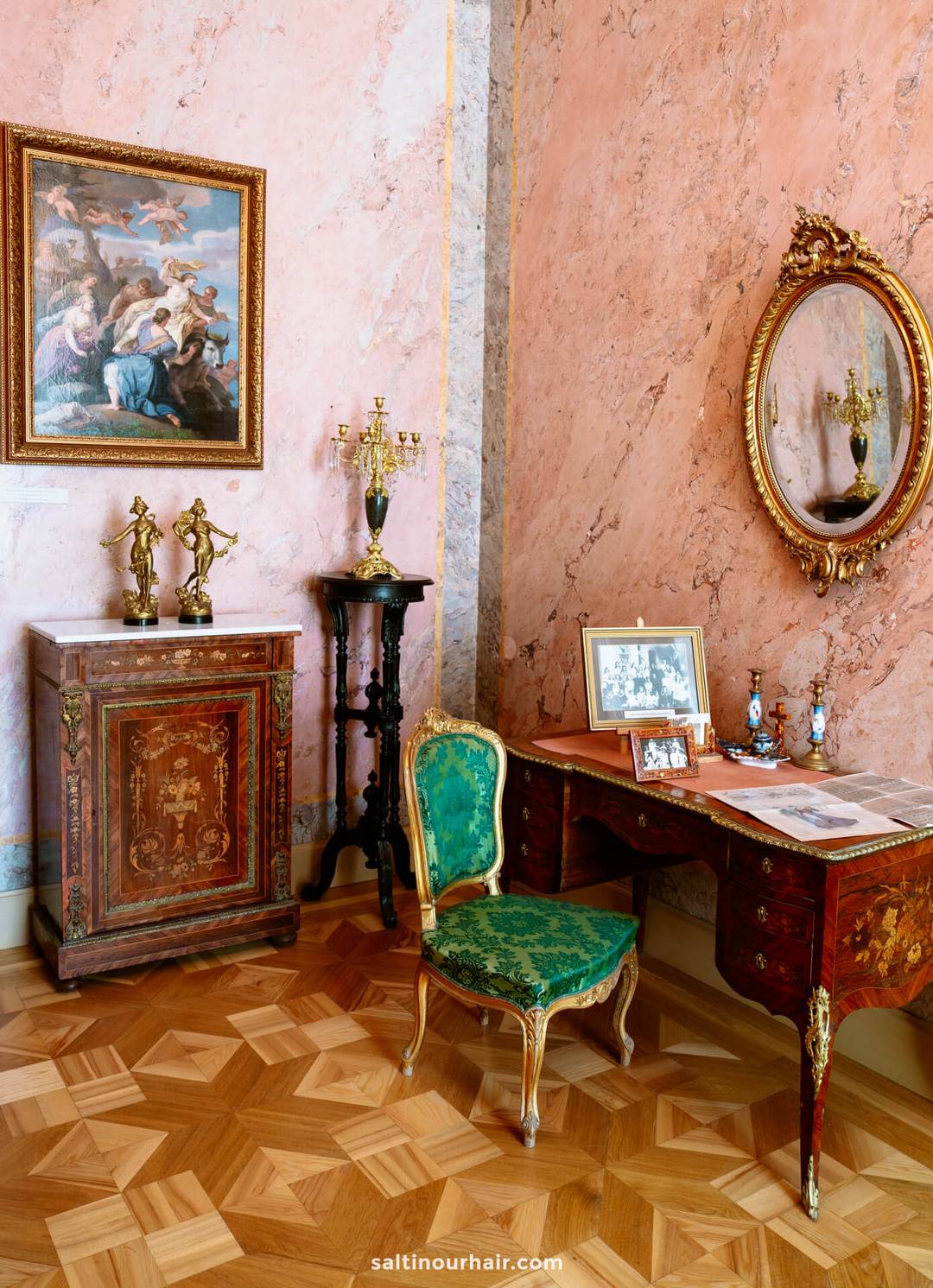

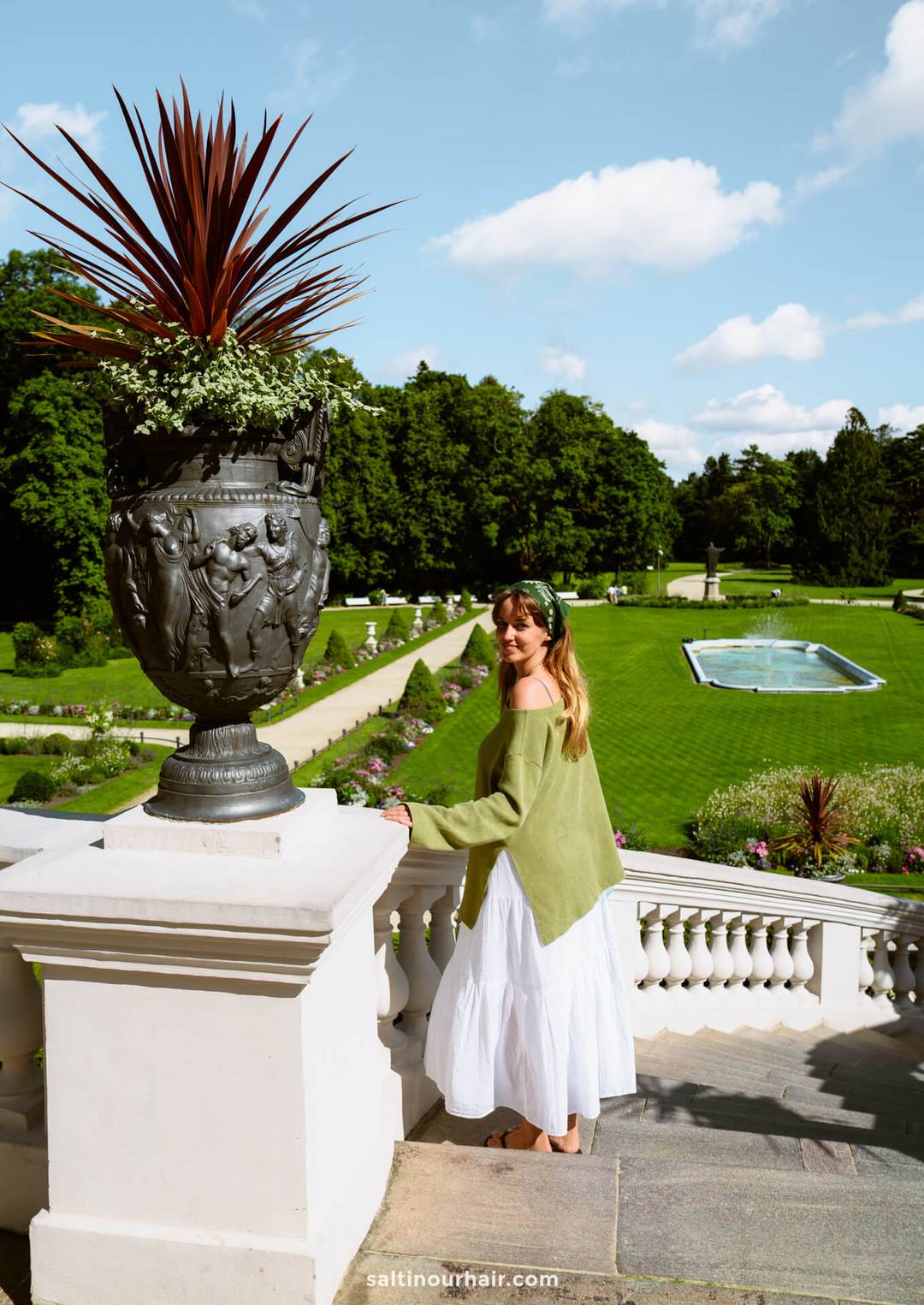

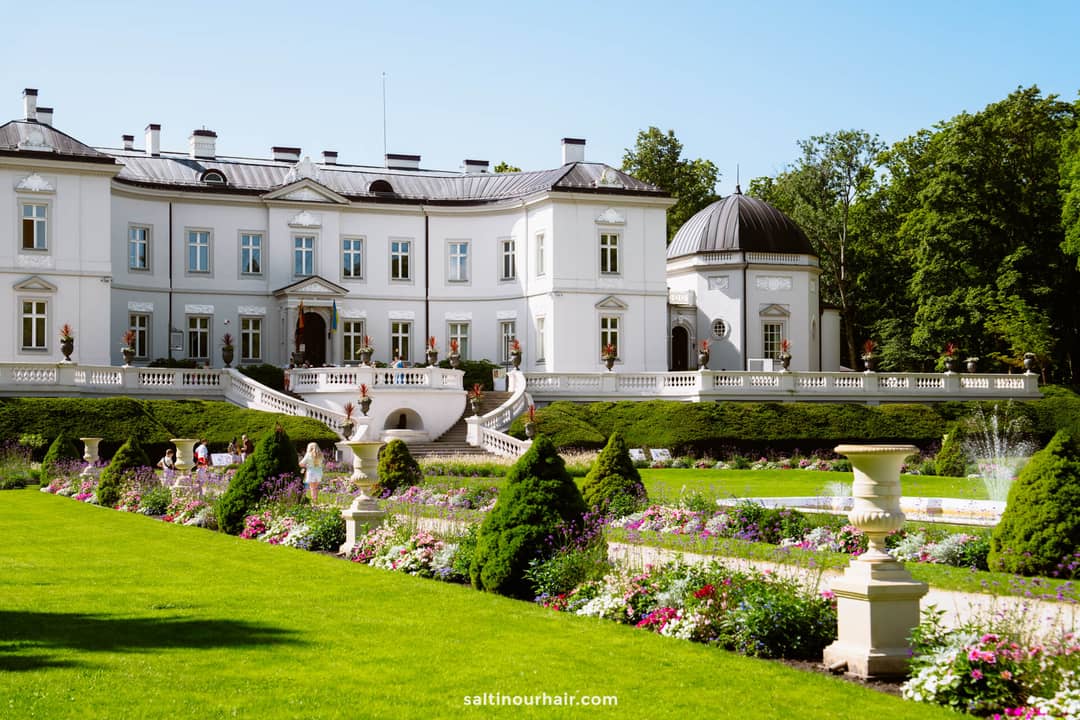
We visited mainly to see the Amber Museum and the surrounding garden, which is housed in a grand 19th-century palace. The exhibits trace the history of amber, Lithuania’s famous “Baltic gold”, and we certainly never expected amber to be so fascinating. One piece on display is said to be 50 million years old! (You can buy your tickets via the official site)
Tip: Outside the museum, the surrounding gardens extend all the way to the beach, making them perfect for a stroll.

Winter Garden Café
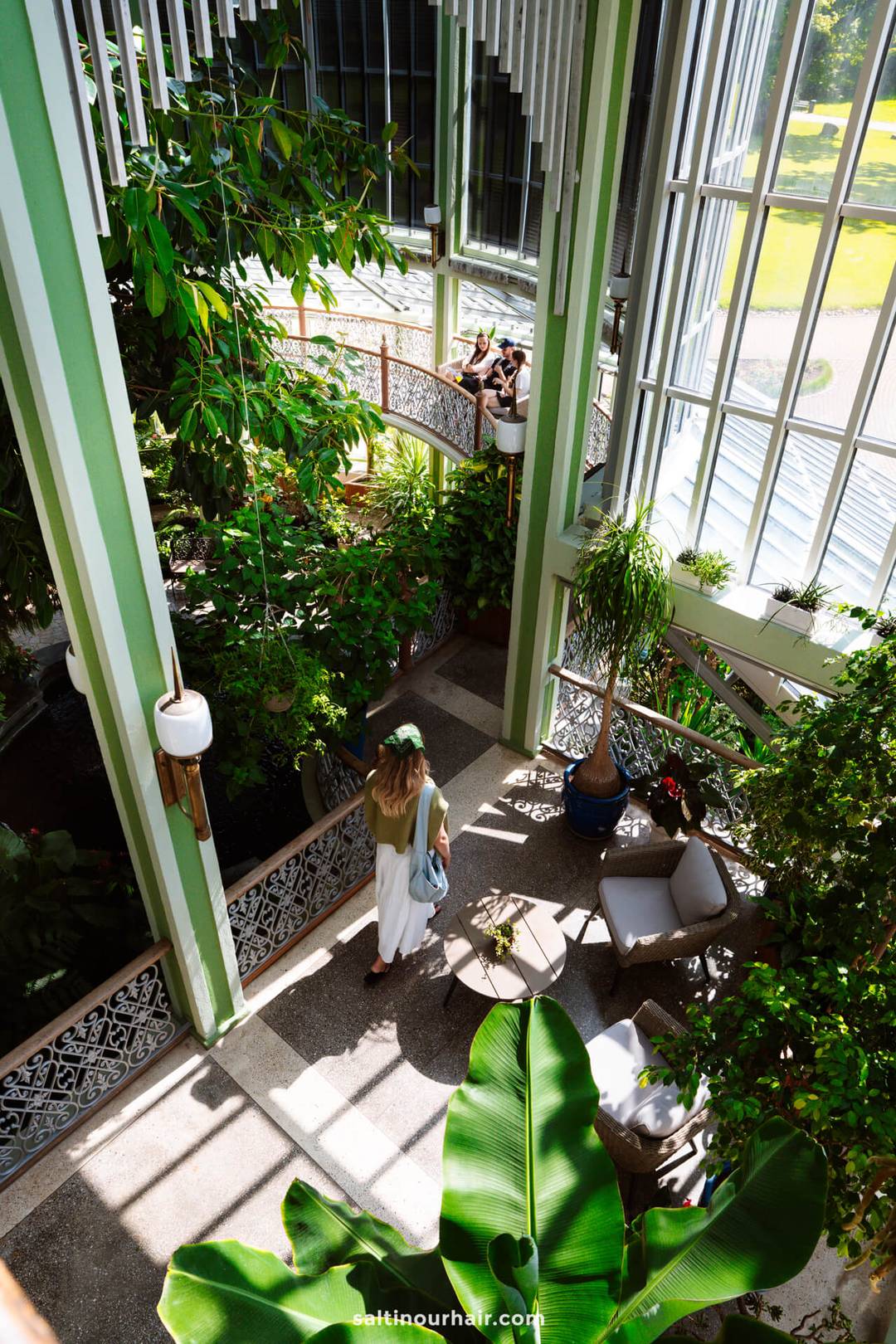
From Palanga, we made a short detour to Kretinga, where the Winter Garden Café offered a tropical escape inside this glass greenhouse. Filled with plants and flowers, it was a refreshing stop on our Lithuania itinerary — that felt far removed from the Baltic landscape outside.

Hill of Crosses in Lithuania
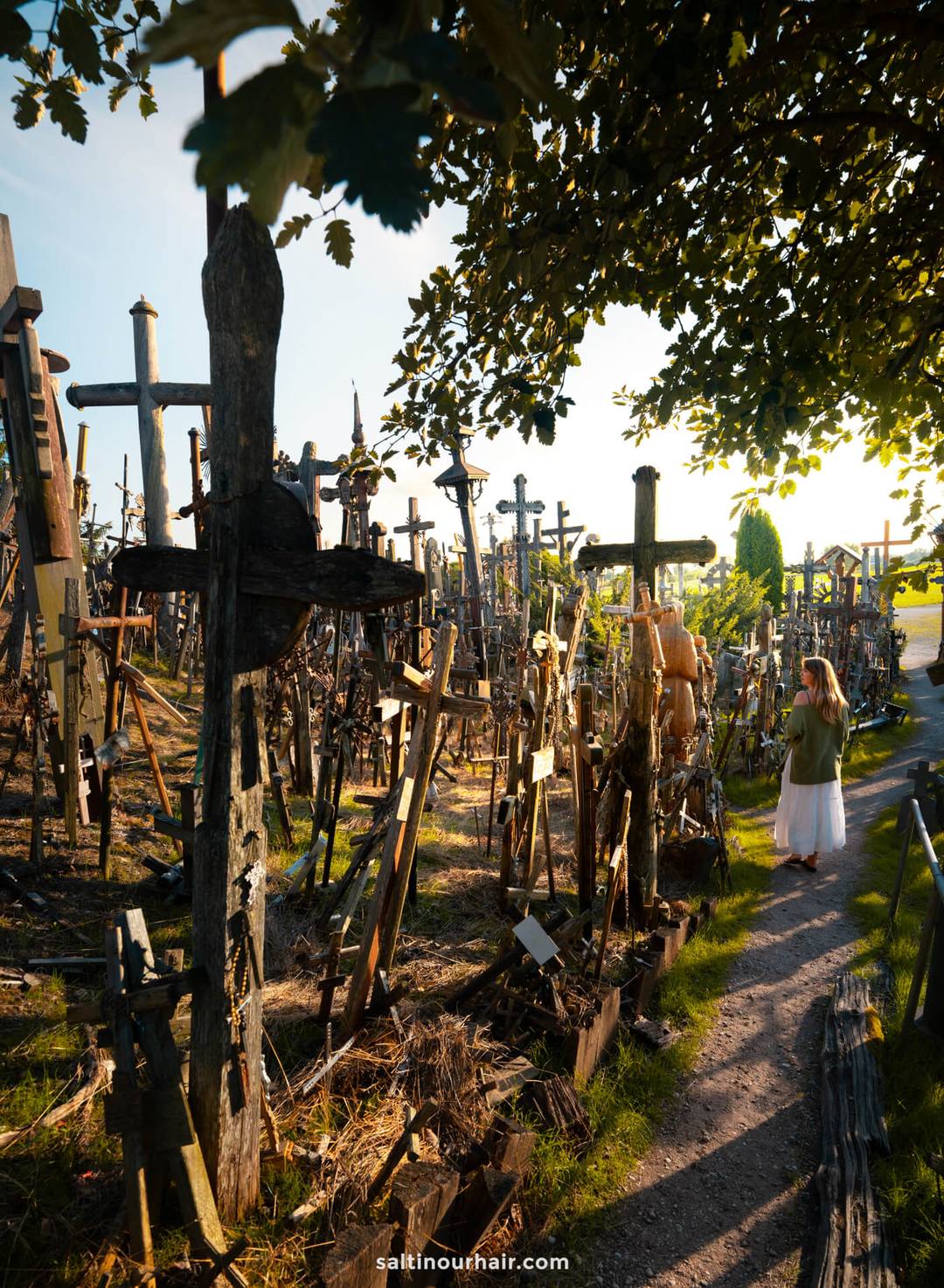
By late afternoon, we arrived in Šiauliai to visit the Hill of Crosses. This site is unlike anything else in Europe; over 200,000(!) crosses of every size and shape cover a small hill, placed here by pilgrims and visitors over centuries. The result is haunting and beautiful at the same time.
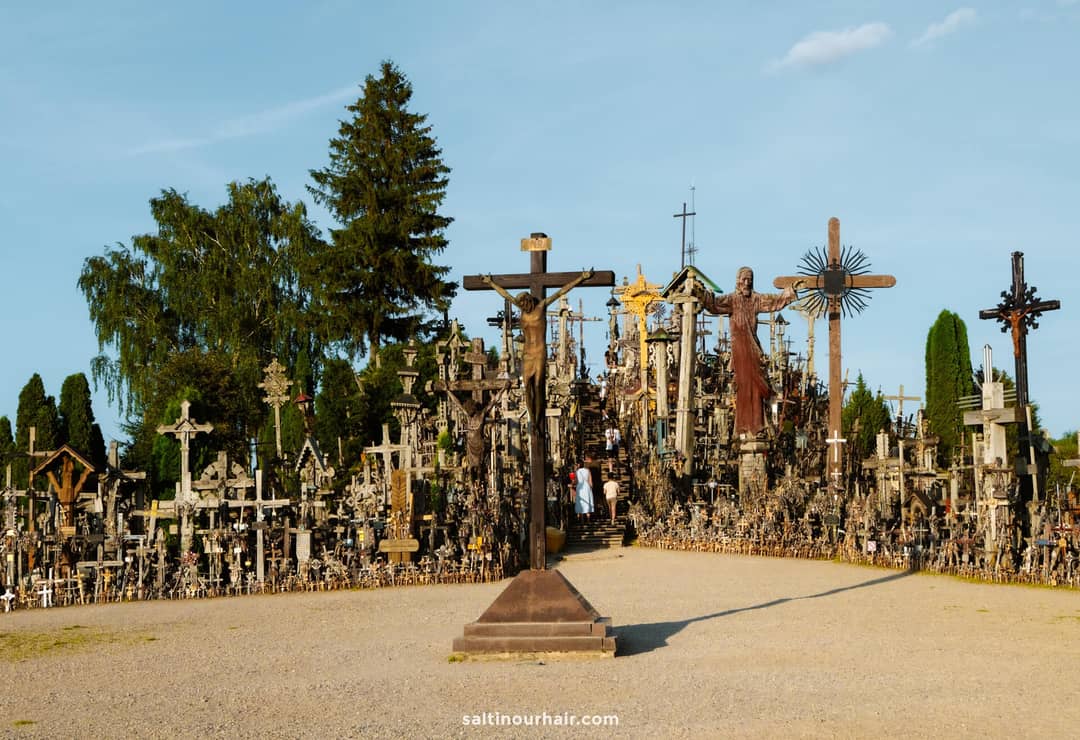

Hill of Crosses is free to visit, but we recommend arriving early in the morning or late in the afternoon. During the day, it gets busy with a lot of tourists from Riga, Estonia (just across the border).
Dinner recommendation: We ate at Bleu de Frenkel, a fine-dining restaurant set inside a historic museum. It was a fittingly special meal for the last night of our Lithuania itinerary.

Where to Stay in Šiauliai
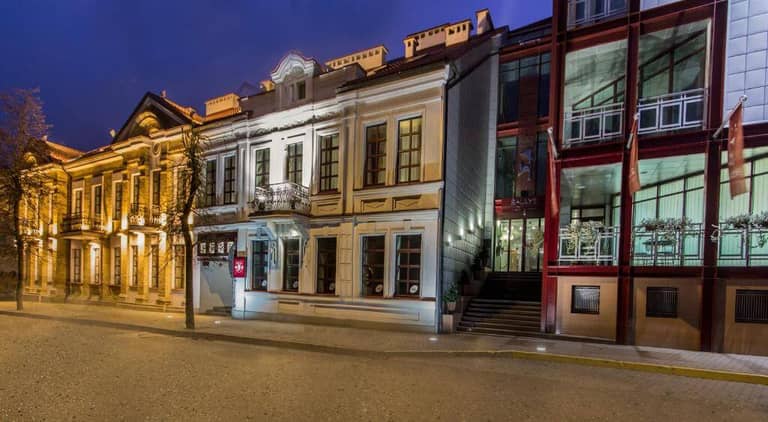
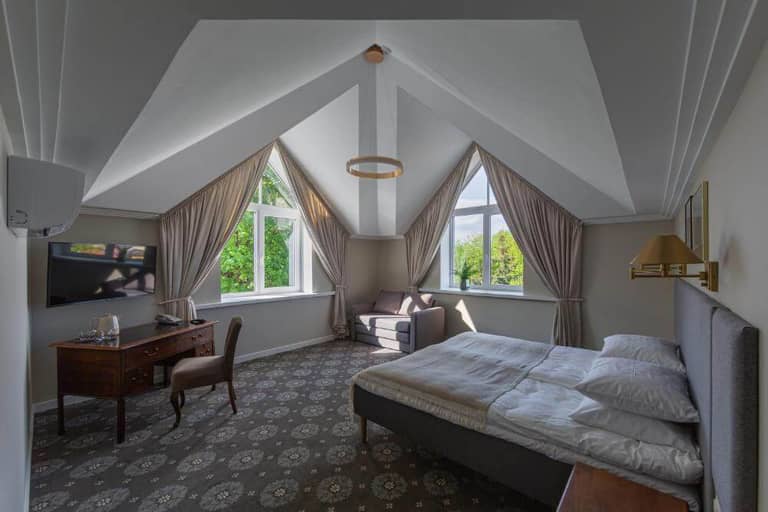
We stayed at Park Hotel Šiauliai with free parking. It is located right next to this park and within walking distance of Sundial Square.
Our favorite hotels inŠiauliai
View all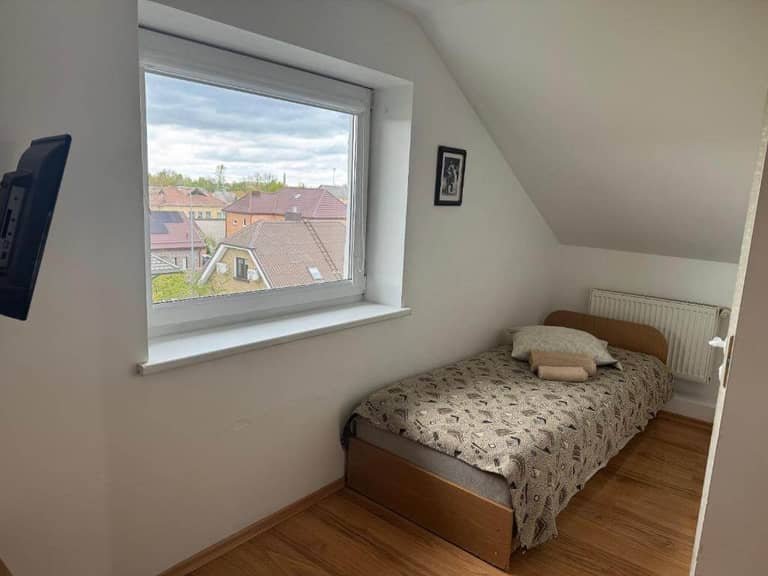
Day 5 recap:
- Morning coffee at Vero Cafe in Nida
- Ferry back to Klaipėda
- Drive north to Palanga
- Palanga Amber Museum & surrounding gardens
- Walk through Palanga’s pedestrian center
- Stop at Winter Garden in Kretinga (greenhouse café)
- Drive to Šiauliai
- Hill of Crosses
Day 6: Final Day of Your Lithuania Itinerary (Return to Vilnius)
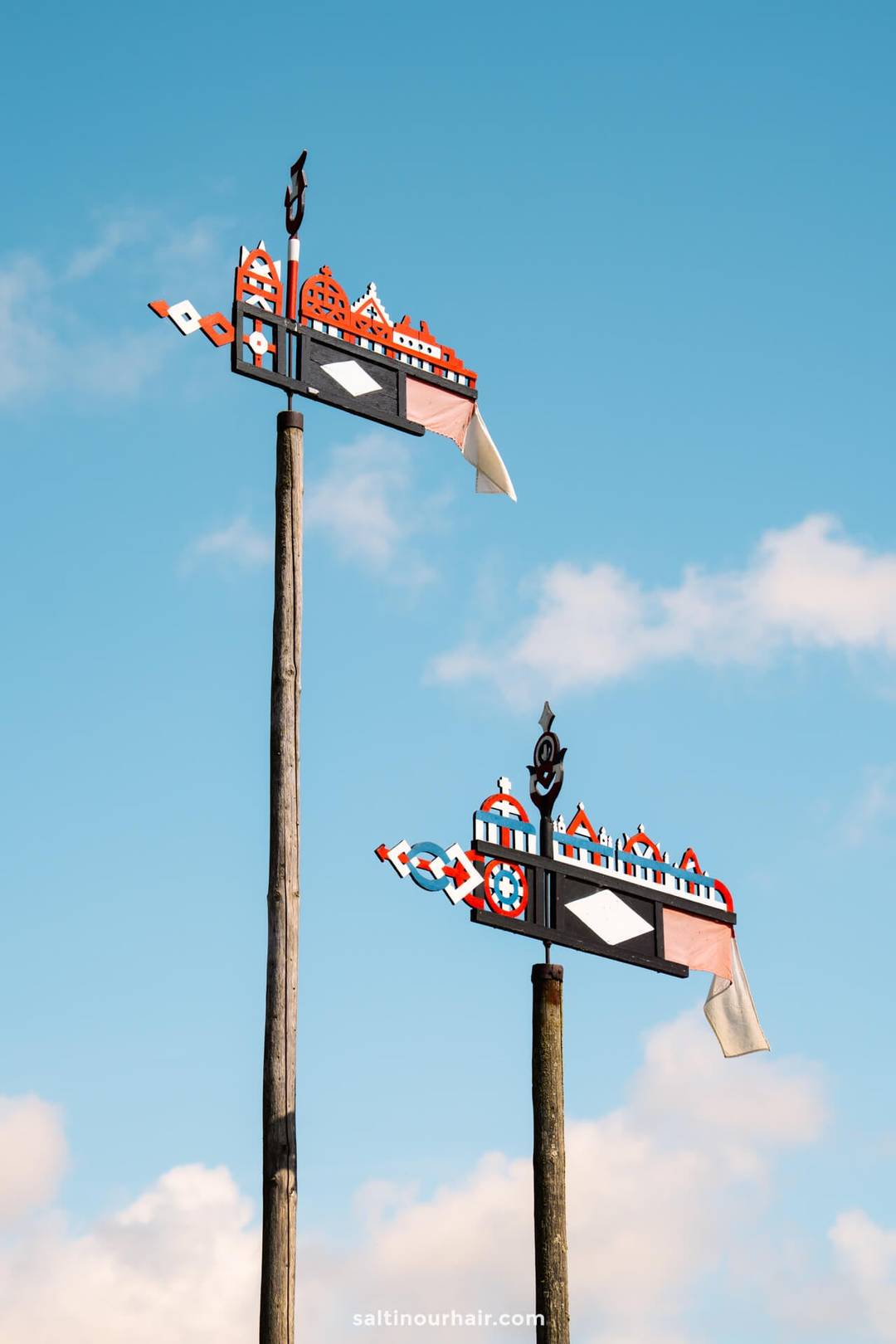
We spent most of our final day driving back to Vilnius, completing the loop around Lithuania. Along the way, we saw so many wooden poles topped with stork nests, which is a distinctive feature of the countryside.
Tip: We took our flight that day, but you can also decide to spend one last evening in the Old Town, ending your Lithuania road trip on a relaxed note before flying home the next day.


Best Time to Visit Lithuania
We visited Lithuania in August; it was warm and lively, with festivals (check this event calendar) and plenty of outdoor dining options. Although still breezy, this was a great time to visit the coast, too! Anytime between May and September will offer you similar conditions.
Prefer fall or winter? September is a quieter month, with cooler temperatures and colorful foliage. Winters are cold, snowy, and atmospheric, especially in Vilnius, but road-tripping is trickier. If you do travel at this time, don’t miss the Christmas markets in Vilnius and the city’s beautifully decorated tree.

Our travel costs in Lithuania
Lithuania is definitely more affordable compared to Western Europe. The only thing you need to budget for is entrance into the Curonian Spit park, which is a notable €50 per car.

How to Visit Lithuania
The easiest way is to fly into Vilnius Airport (VNO), just 20 minutes from the city center. We flew from Amsterdam to Vilnius, but we saw that Kaunas Airport also has low-cost connections. Klaipėda is a good option if you’re arriving from Germany or Sweden, as a ferry connection is available.
Traveling overland? Buses and trains link Lithuania with Latvia and Poland.
Getting Around Lithuania
In this Lithuania travel guide, we’ve focused on traveling around the country by car; we picked ours up at the airport. Roads are well-maintained, and drives are rarely more than three hours.
We recommend to rent a car in Lithuania through Sunny Cars with free cancellation and insurance included. Book your rental car here.
Tip: The UNIPARK app makes parking easy throughout the country.
While you can travel by public transport between major cities in Lithuania, if you want to visit smaller towns, the Curonian Spit, or more remote spots like the Hill of Crosses, you will need a car. Alternatively, book tours that include transport!

Food and Drink in Lithuania
Lithuanian cuisine is hearty and more meat-heavy, but we did find plenty of pescatarian options. A favorite was šaltibarščiai, a bright pink cold beet soup served with hot potatoes, yes, unusual but delicious! We also tried vegetarian cepelinai (potato dumplings with mushroom filling) and enjoyed smoked fish by the coast.

A few final tips for Lithuania
- Lithuania uses the euro.
- Many attractions are closed on Sundays and Mondays.
- English is widely spoken.
- Tap water is safe to drink everywhere.
- Roads are flat, distances are manageable, and driving is easy, as roads are not that busy.
Lithuania is in northeastern Europe, one of the three Baltic States, bordered by Latvia, Belarus, Poland, and Russia’s Kaliningrad exclave.
With 6 days in Lithuania, you can see the country’s main highlights, from Vilnius and Kaunas to the Curonian Spit and the Hill of Crosses. This is quite back-to-back, so if you prefer a slower pace, 7 to 8 days would allow more time in each location.
The standard greeting is “Labas,” while “Laba diena” means “good day.
Not at all! Lithuania is affordable compared to much of Europe. Food, hotels, and transportation all offer good value, making it ideal for those traveling on a budget. However, the hotspots like Vilnius and Nida are a lot more expensive compared to other towns in Lithuania. We give a rough estimate for your trip in this Lithuania travel guide.
We personally felt very safe in Lithuania, particularly in the rural areas. As in most big cities, petty theft is common, so always keep a close eye on your belongings. It’s essential to note that when visiting the Curonian Spit, the southern part is located in Russian territory. Learn more here.
By purchasing through our links, you support us at no additional cost.
Thank you for your support. ♥️
- Find Hotels via Booking.com
- Find a Rental Car via Sunny Cars
- Find Flights to Lithuania via Skyscanner
- Get a Travel Insurance via Heymondo
- Book Tours & Attractions via GetYourGuide
- Book a Bus/Train/Transfer via 12Go

Looking for more travel information? Plan a chat with us for personalised travel advice or get an answer from the Salt in our Hair Travel Community on Facebook.