


Sarajevo is one of the few cities in Europe where a mosque, a synagogue, and a church stand side by side. We visited in May, and what surprised us most was how different cultures blend here: one street feels like Istanbul and the next like Vienna! Many travelers skip Sarajevo, expecting a city defined only by its war history. While that history is very important, we found so much more: old streets, cozy cafes, mountain viewpoints, and unique day trips. These are our favorite things to do in Sarajevo.


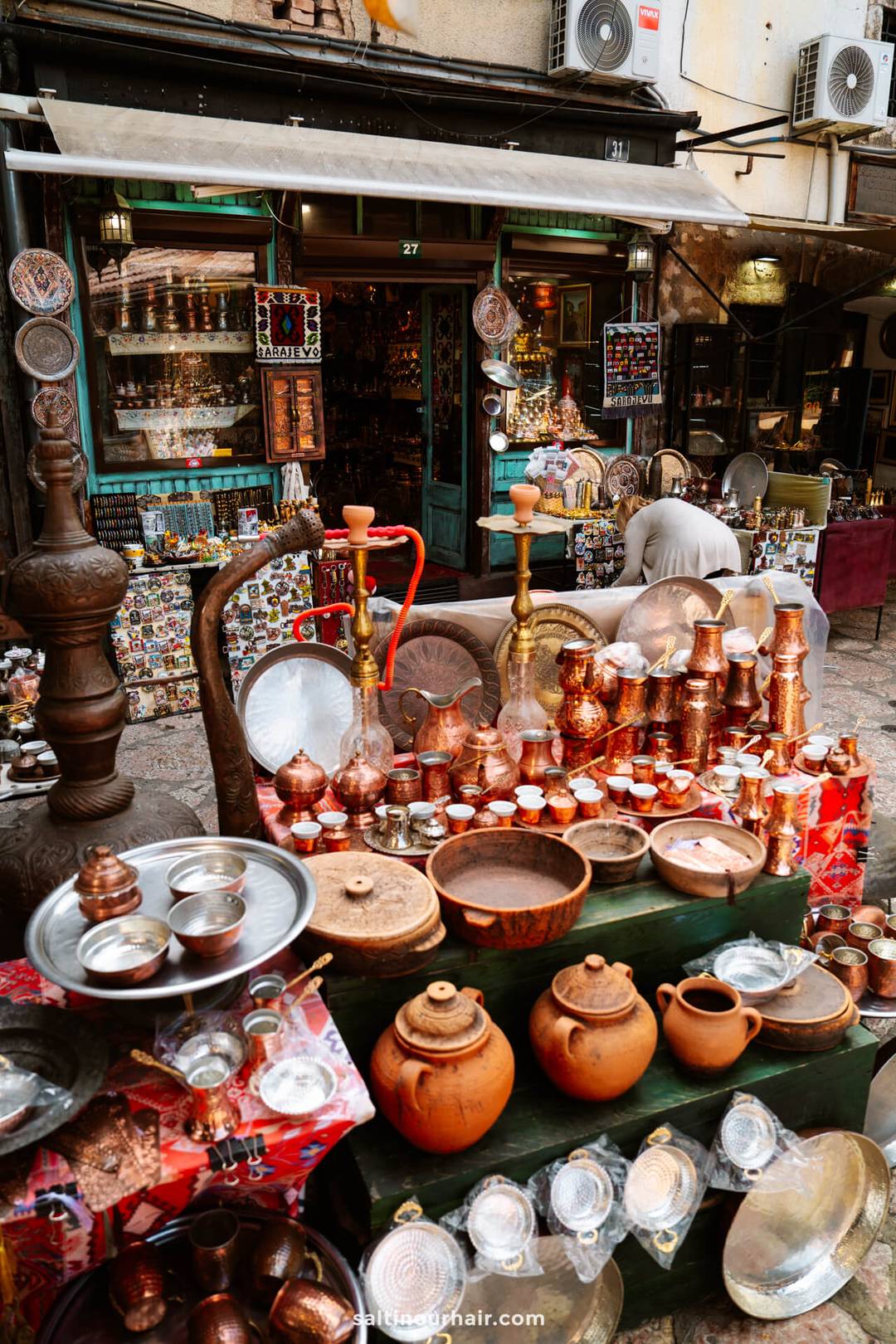
One of the shop owners started talking about his experiences during the war. At one point, he rolled up his sleeve to show us a scar from a grenade. It was impressive how openly he shared his story, but that’s something we experienced throughout Sarajevo. Many of the people you meet here lived through this time, making the city’s recent history feel incredibly real.


While you’re in the Old Town, don’t miss:
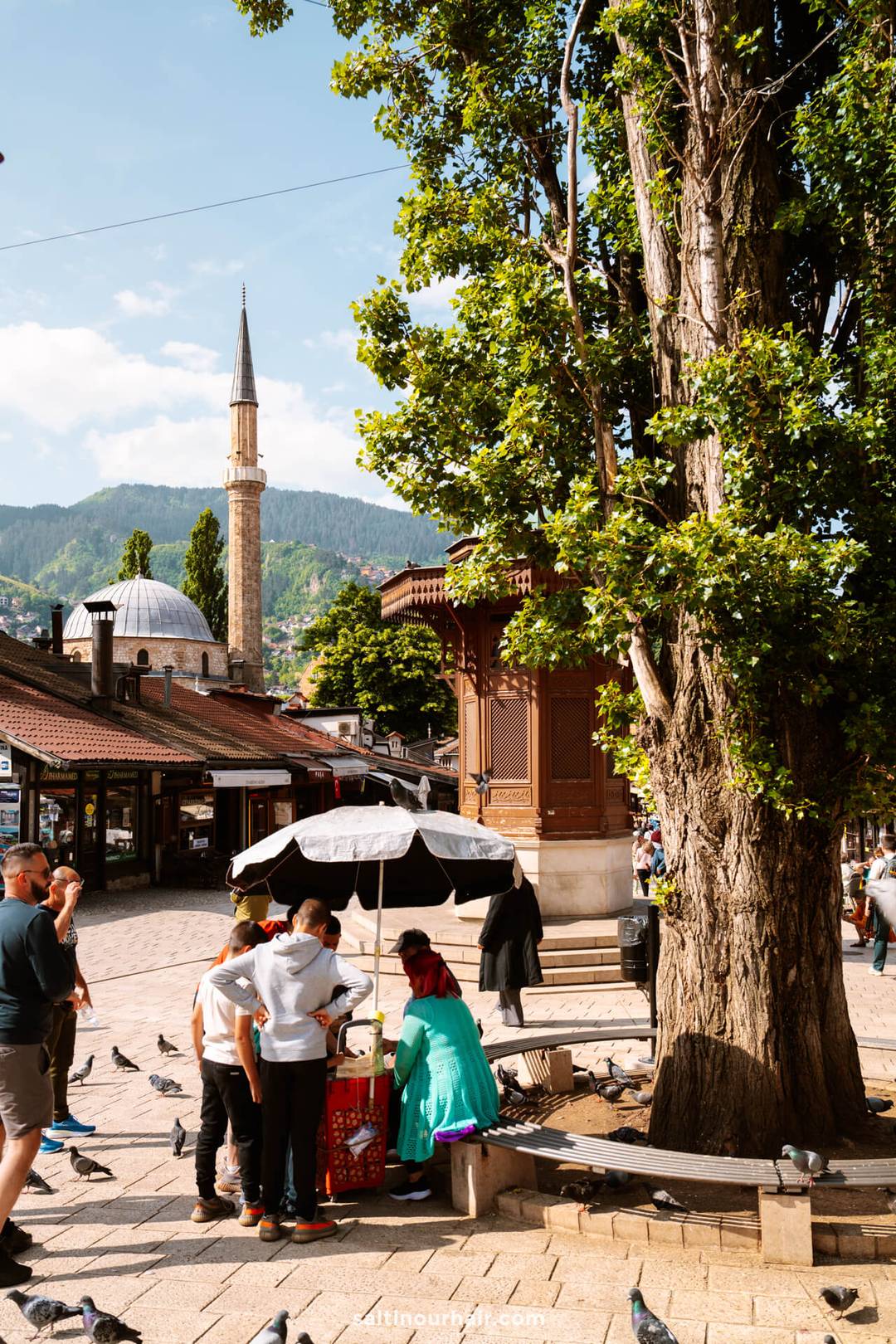
- Main Square and Copper Street, the heart of Baščaršija
- Meeting of Cultures Point, where the Ottoman and Austro-Hungarian sides of Sarajevo met
- Caffe Ayna, one of our favorite cafés in the old town
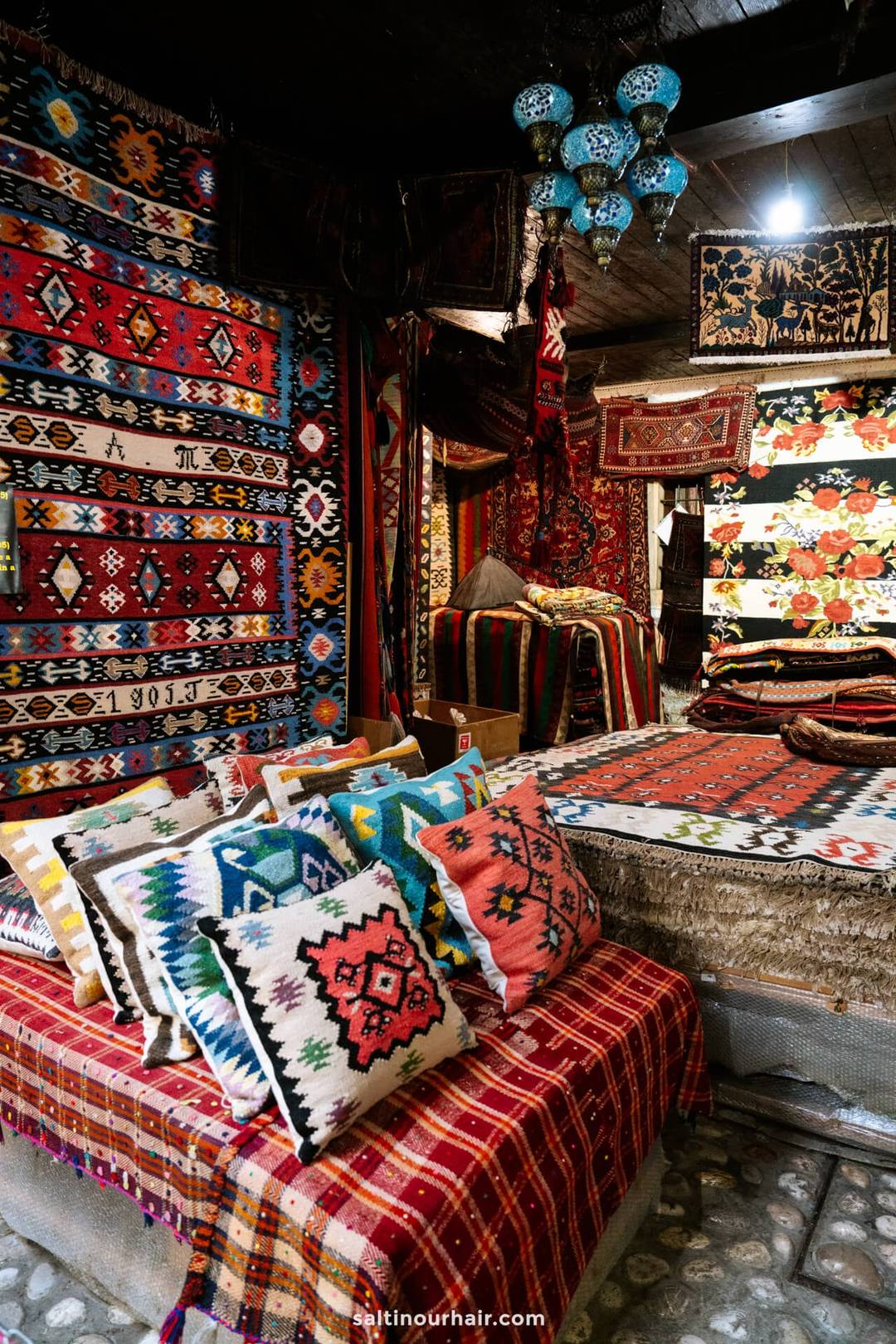
- Hidden courtyard café and rug shop (it’s easy to walk past, so here is the exact location)
- The spot where Archduke Franz Ferdinand was assassinated in 1914, an event that triggered World War I.


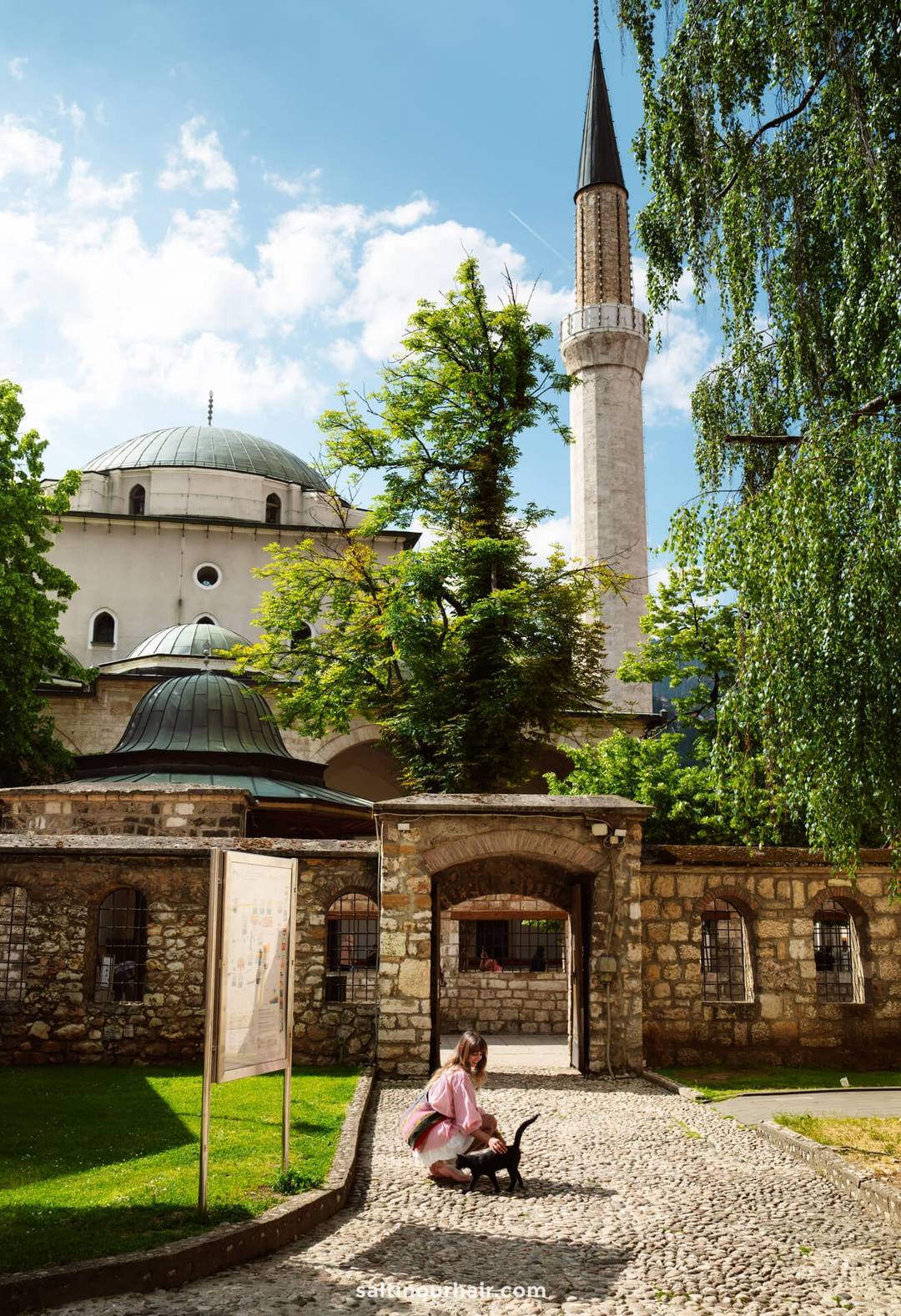

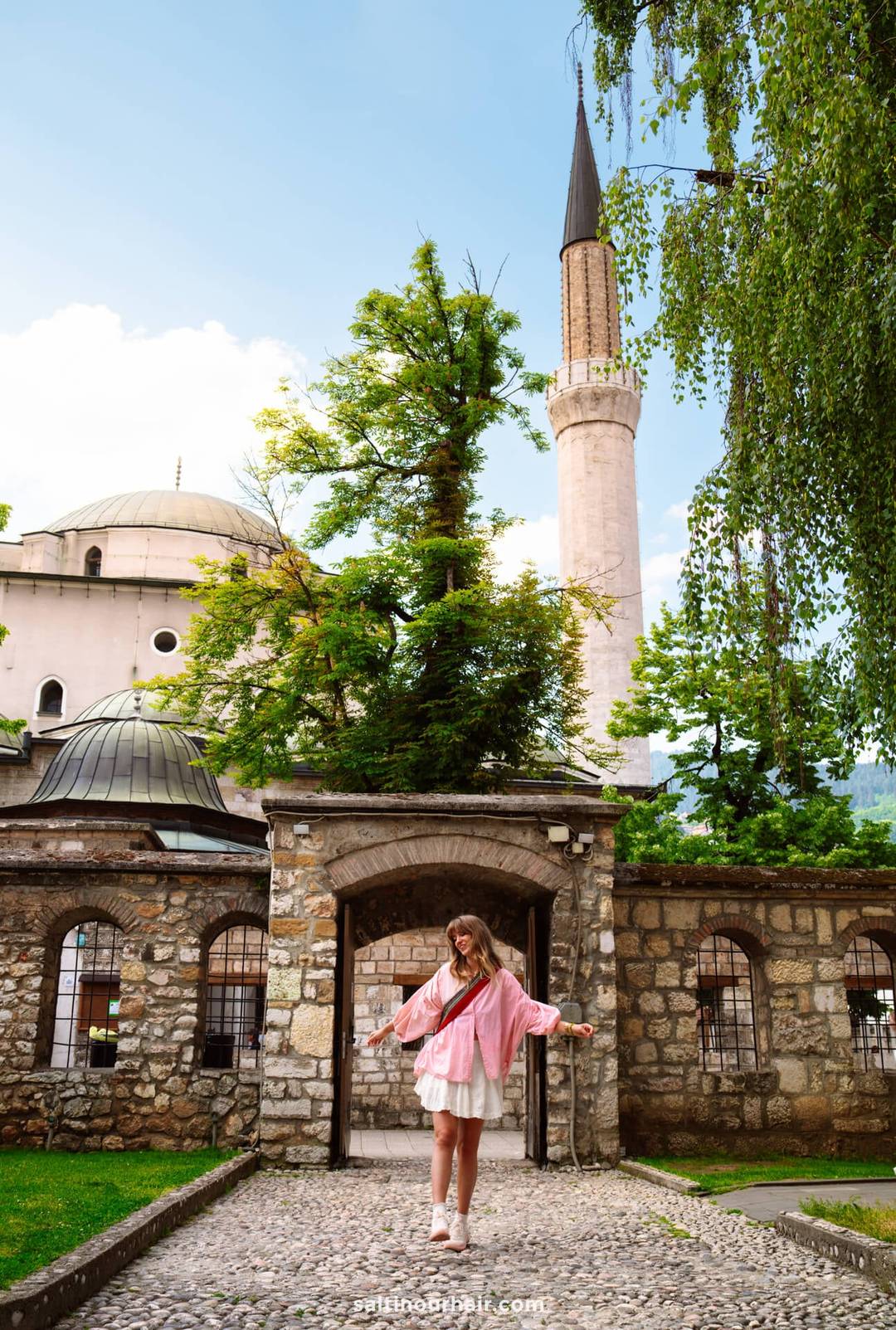
Our favorite feature was the pretty courtyard fountain. We spent some time here sitting on the steps and soaking up the atmosphere before heading inside. The mosque is open to visitors from 9 AM, and you can enter as long as you’re dressed respectfully (free covers are available).
Also see: Our complete 10-day Bosnia itinerary
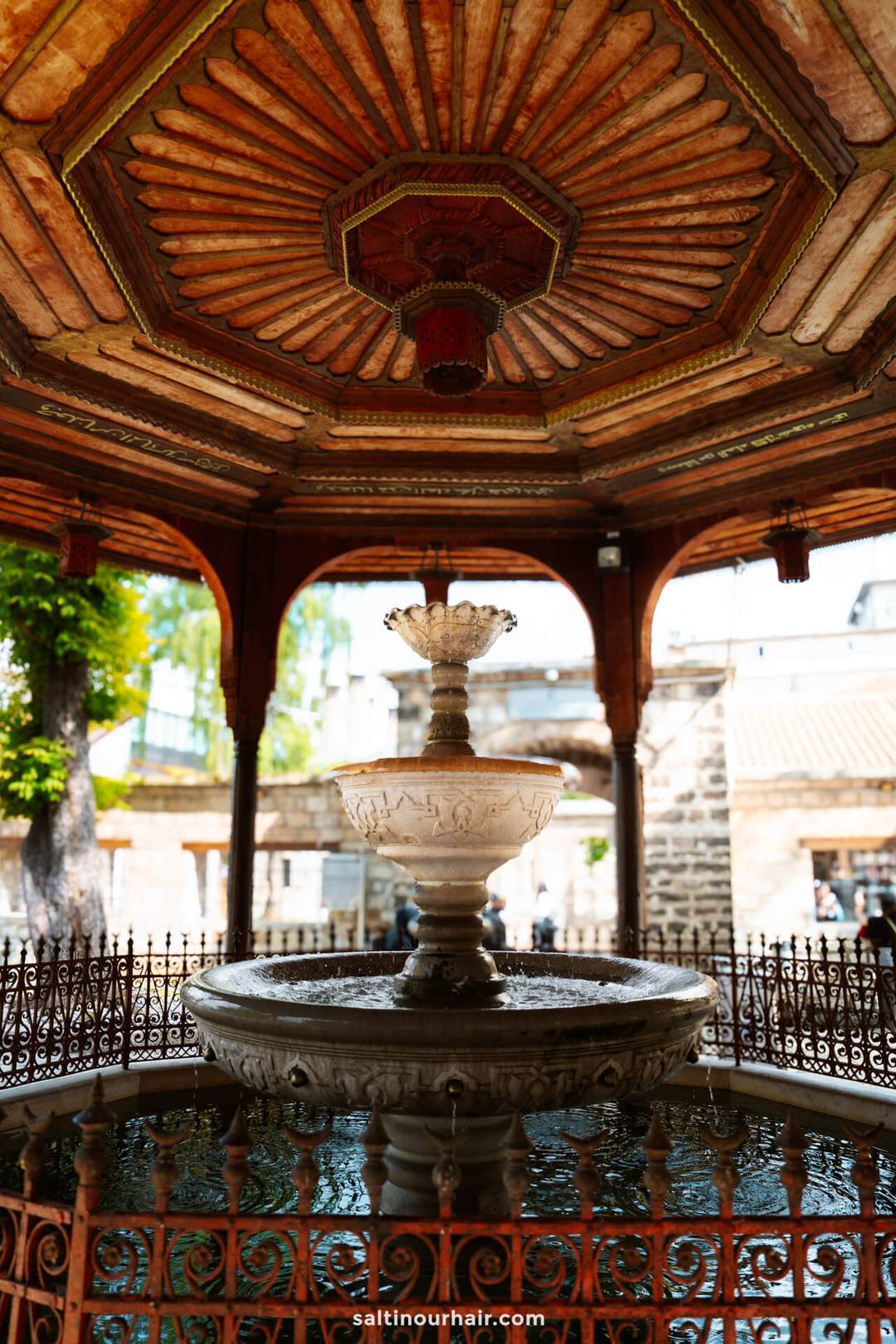

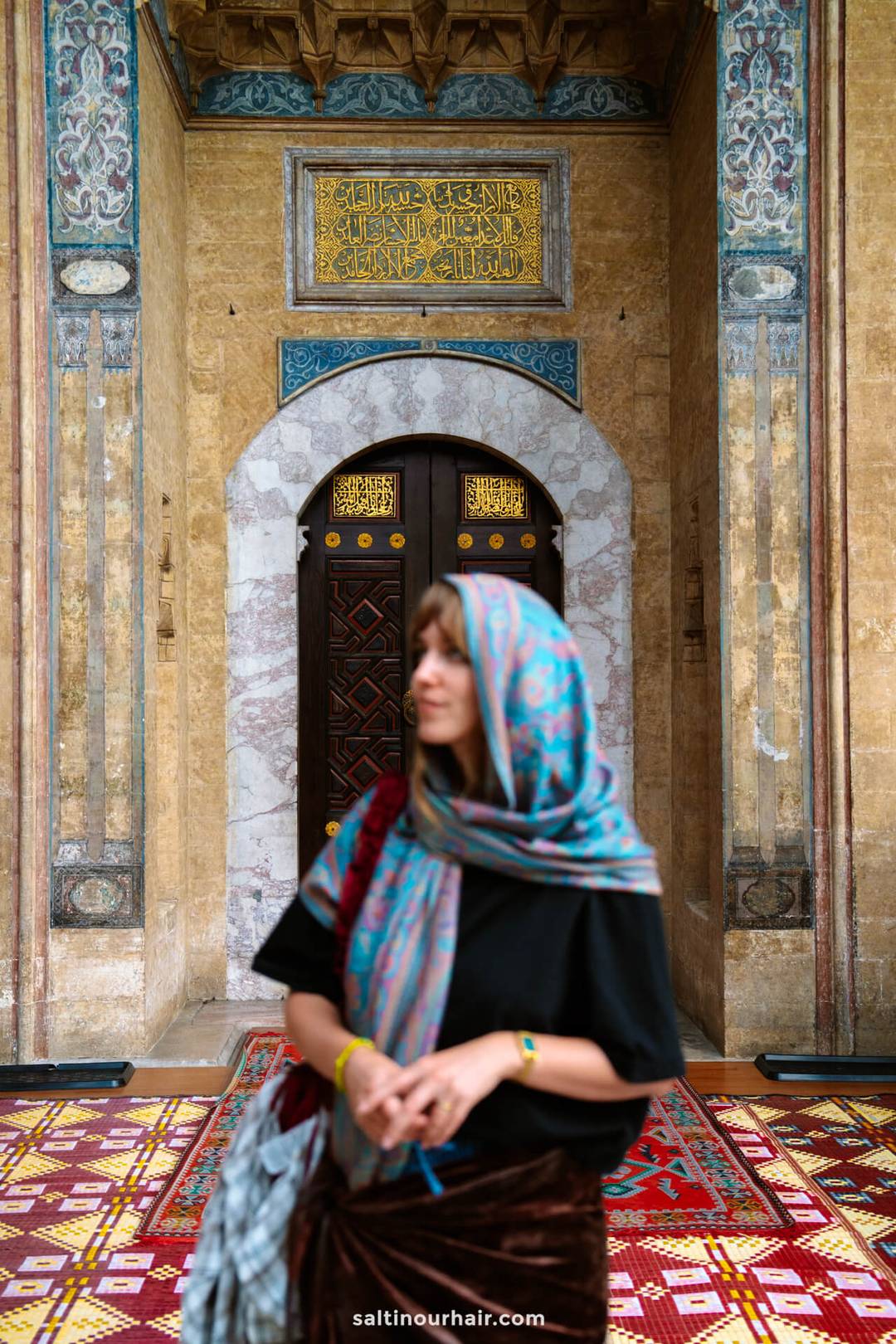

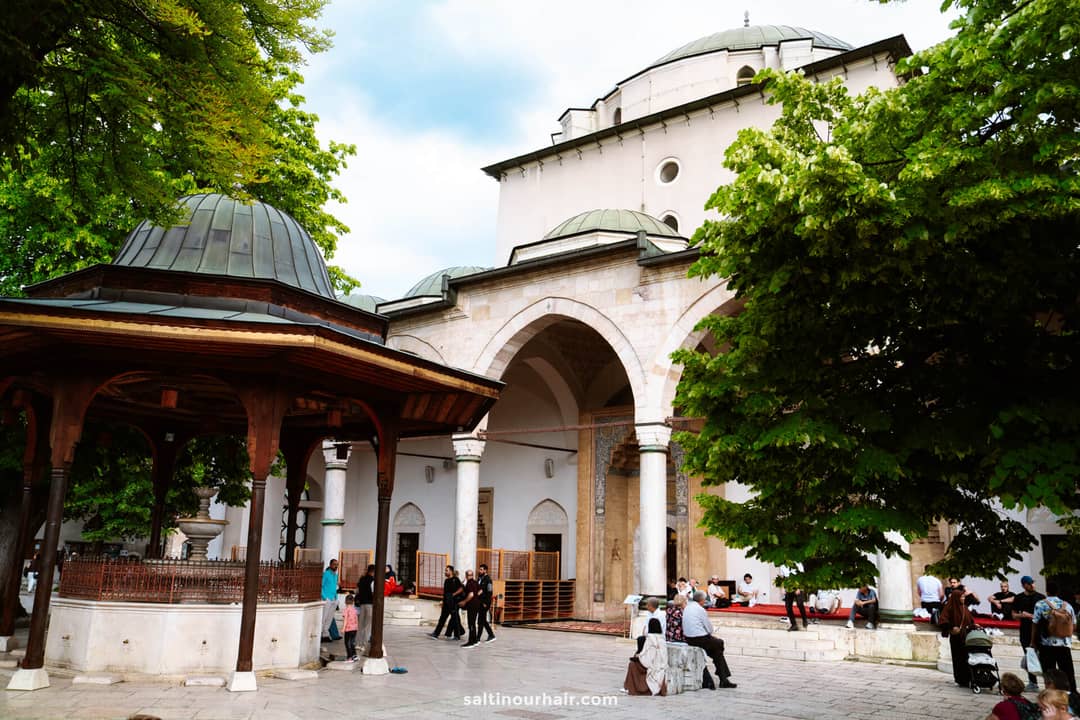

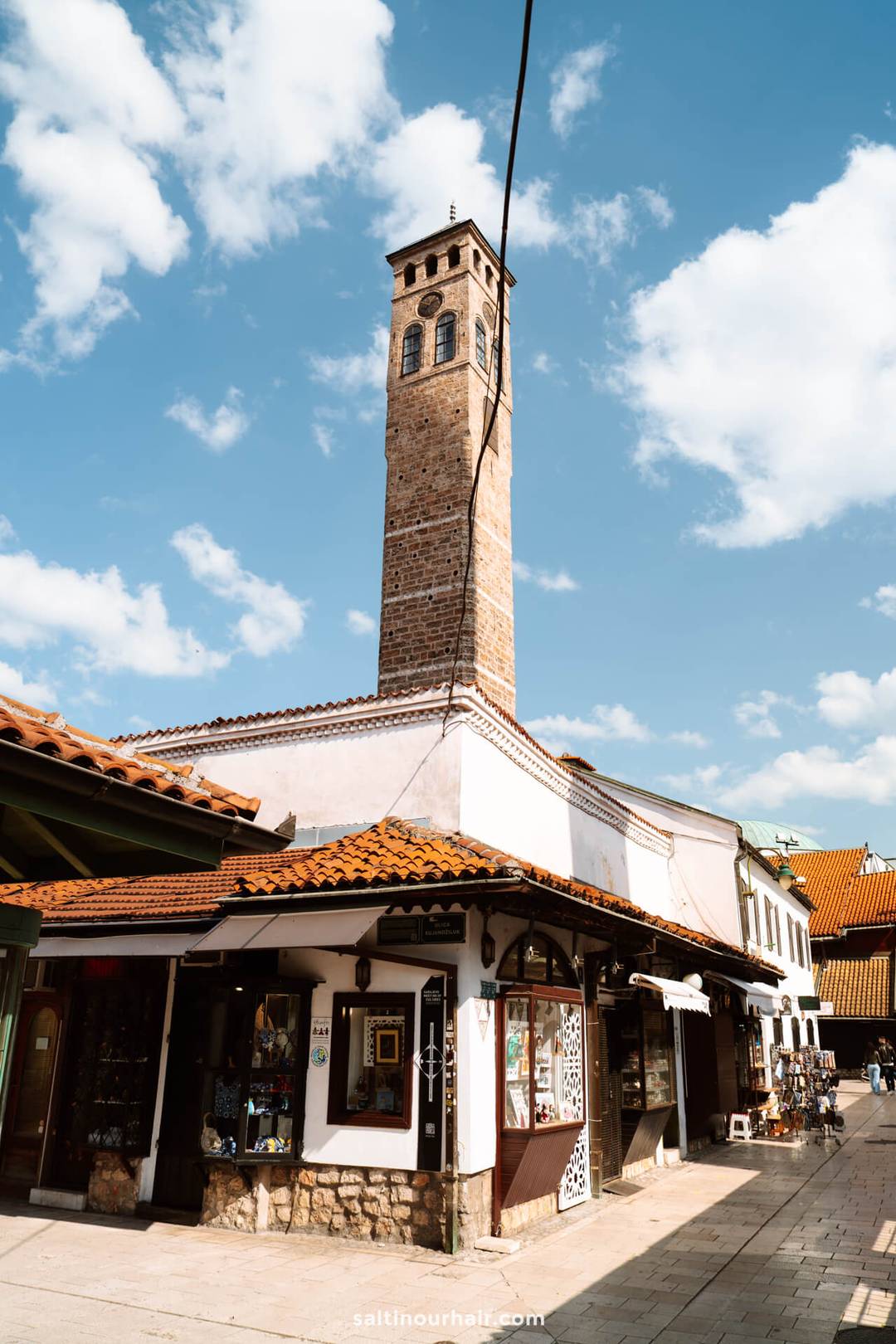
Entry is 5 KM/2,50 EUR, but we recommend getting an 8 KM/4 EUR combined ticket, which also includes admission to the old madrasa across the street. The lunar clock tower outside follows Muslim prayer times rather than standard hours, which is pretty unique.
Tip: Just around the corner, stop by Baklava Dućan, a family-run bakery serving some of the best baklava we tried in Sarajevo.
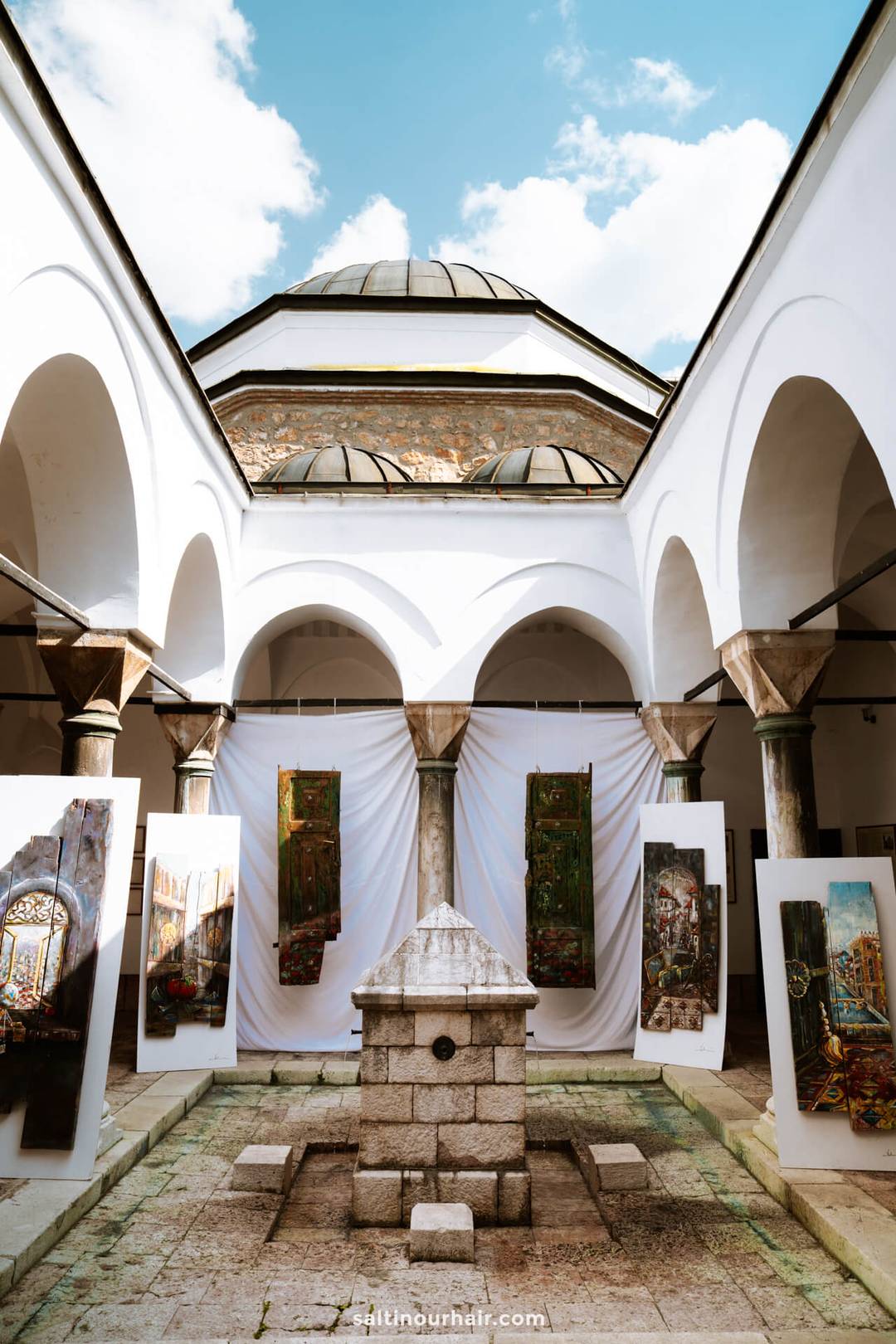



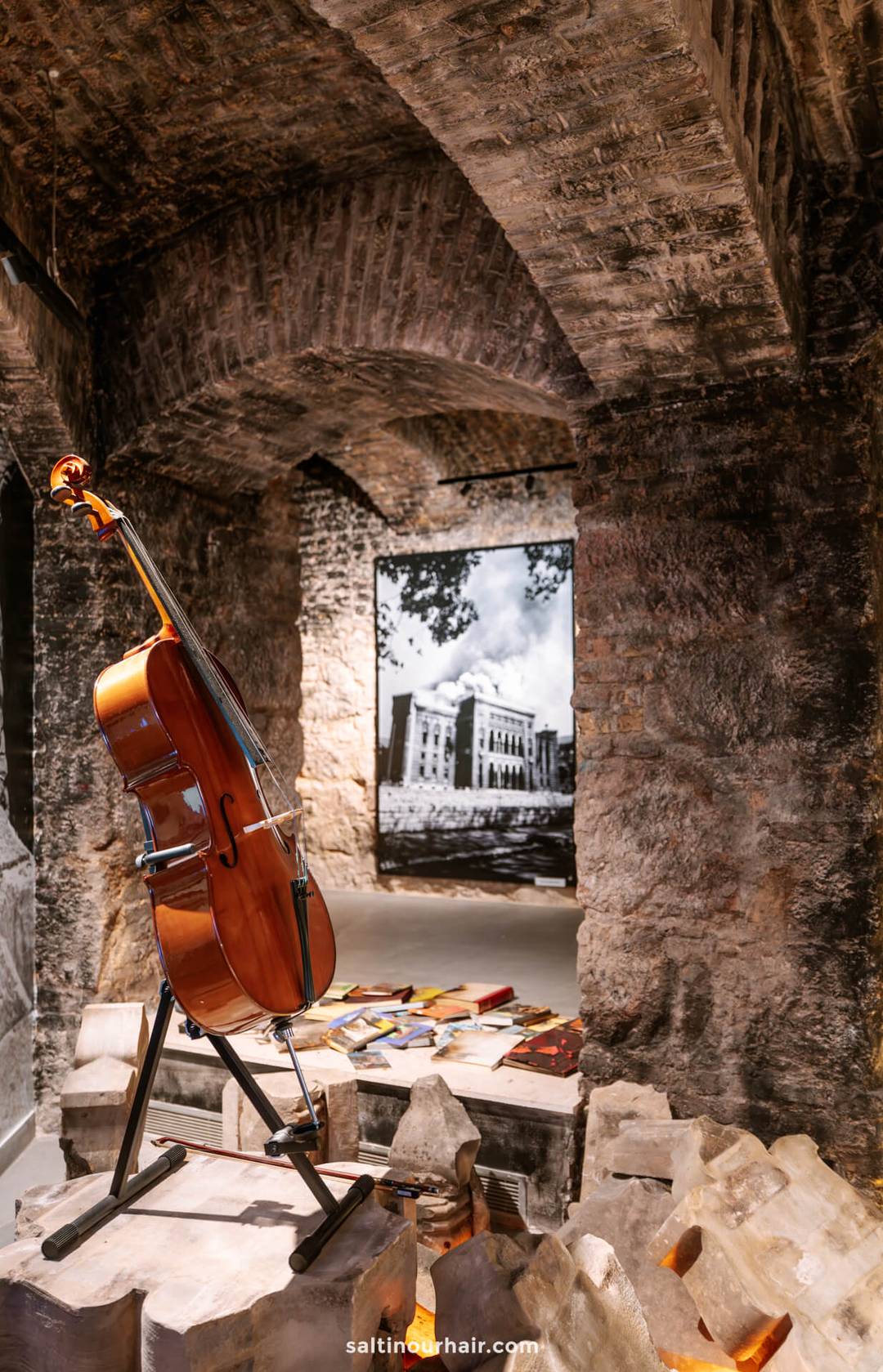
It used to be the National Library until it was deliberately set on fire during the 1992 siege, destroying nearly 90% of its collection. The basement exhibition covers exactly that story. We spent about 30 minutes inside, including the upper ring walkway.
Entry is 10 KM (€5) or you can visit as part of this tour

3. Coffee at Kovači Street
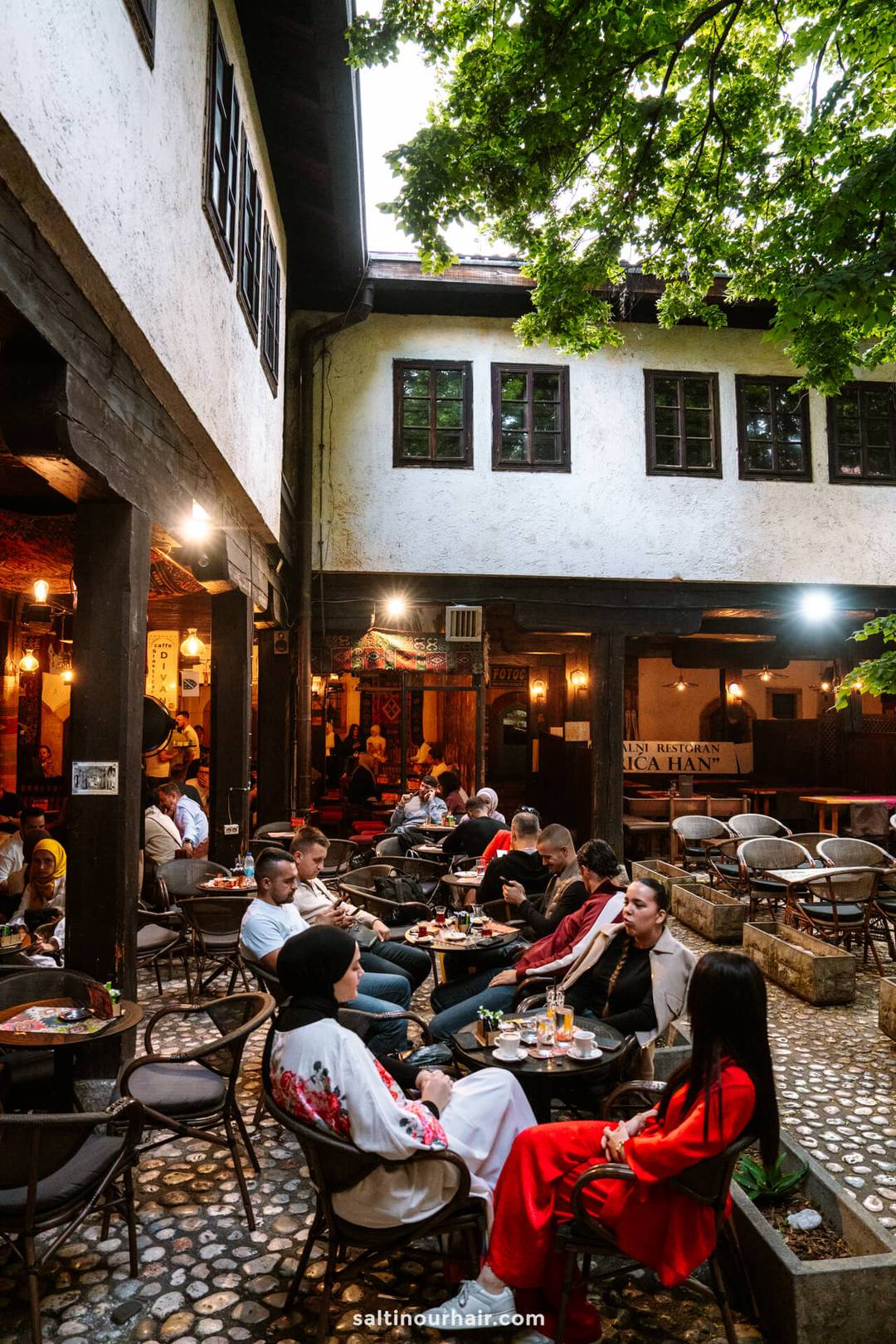
Kovači is a short, pedestrian-only street just uphill from the old town square, and it’s the place to go for coffee in Sarajevo! The small cafés are decorated with wooden furniture, rugs, and colored pillows, and it’s a great spot to people-watch. At night, it’s just as lively, as Bosnians stay up past 10 PM drinking coffee.


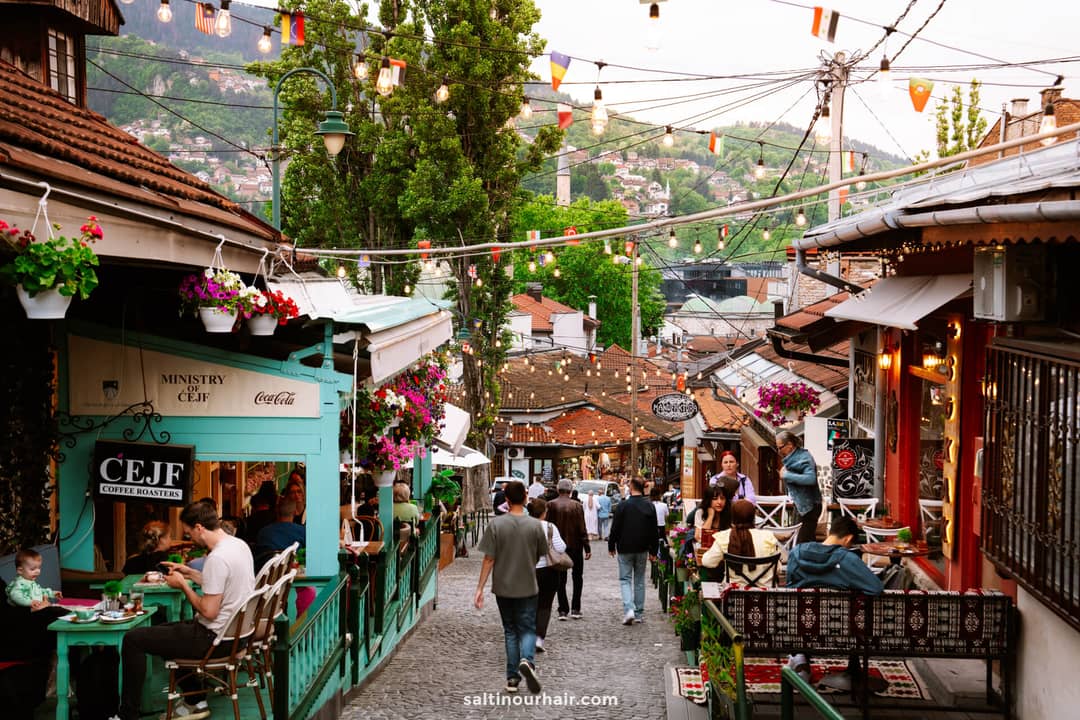

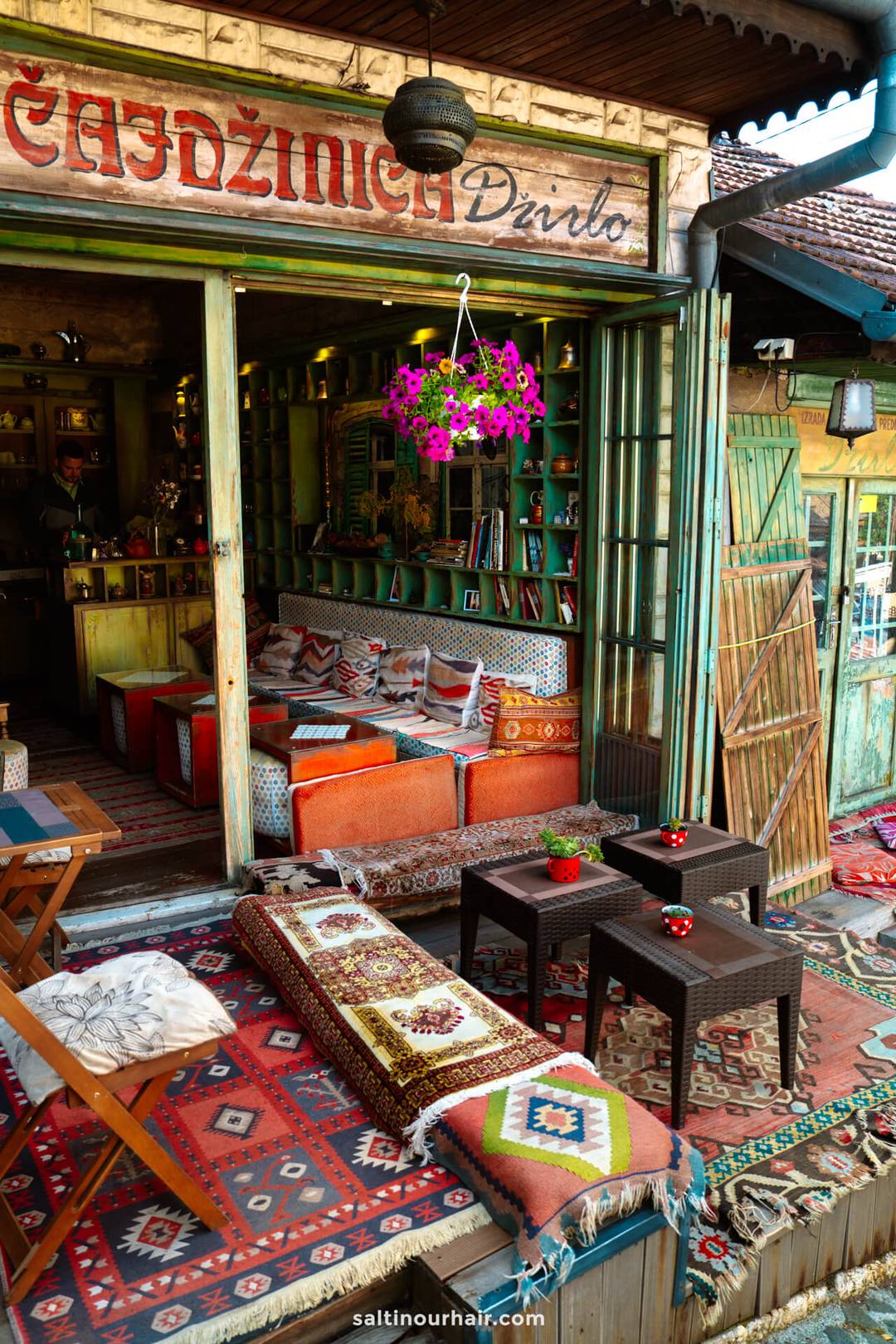

Tip: Our favorite spot on Kovači Street was the Ministry of Ćejf at number 26, a specialty coffee place that roasts its own beans, or the Behut Coffee shop. Our other favorites (a bit further away) were Caffe Divan & Caffe Ayna.

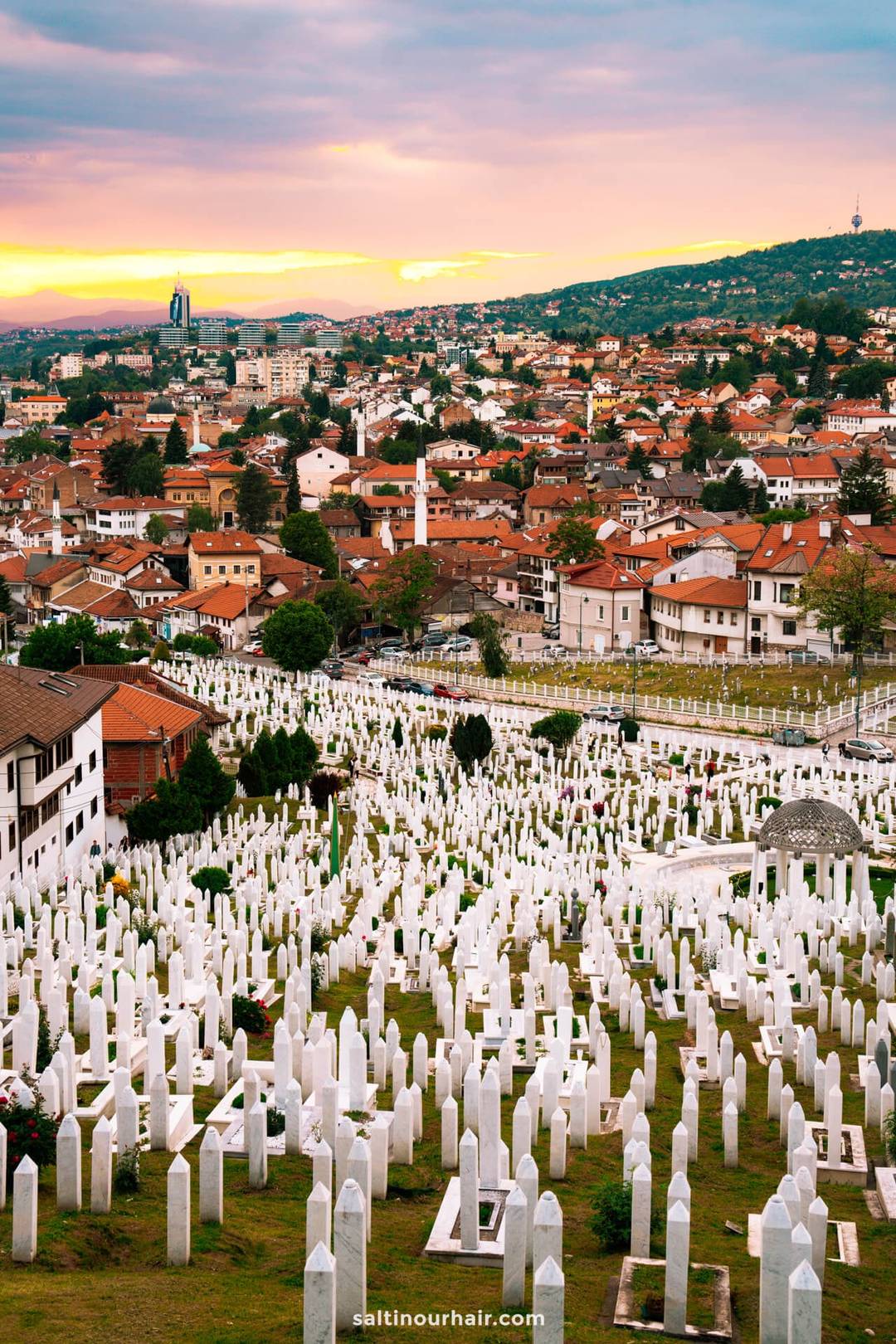



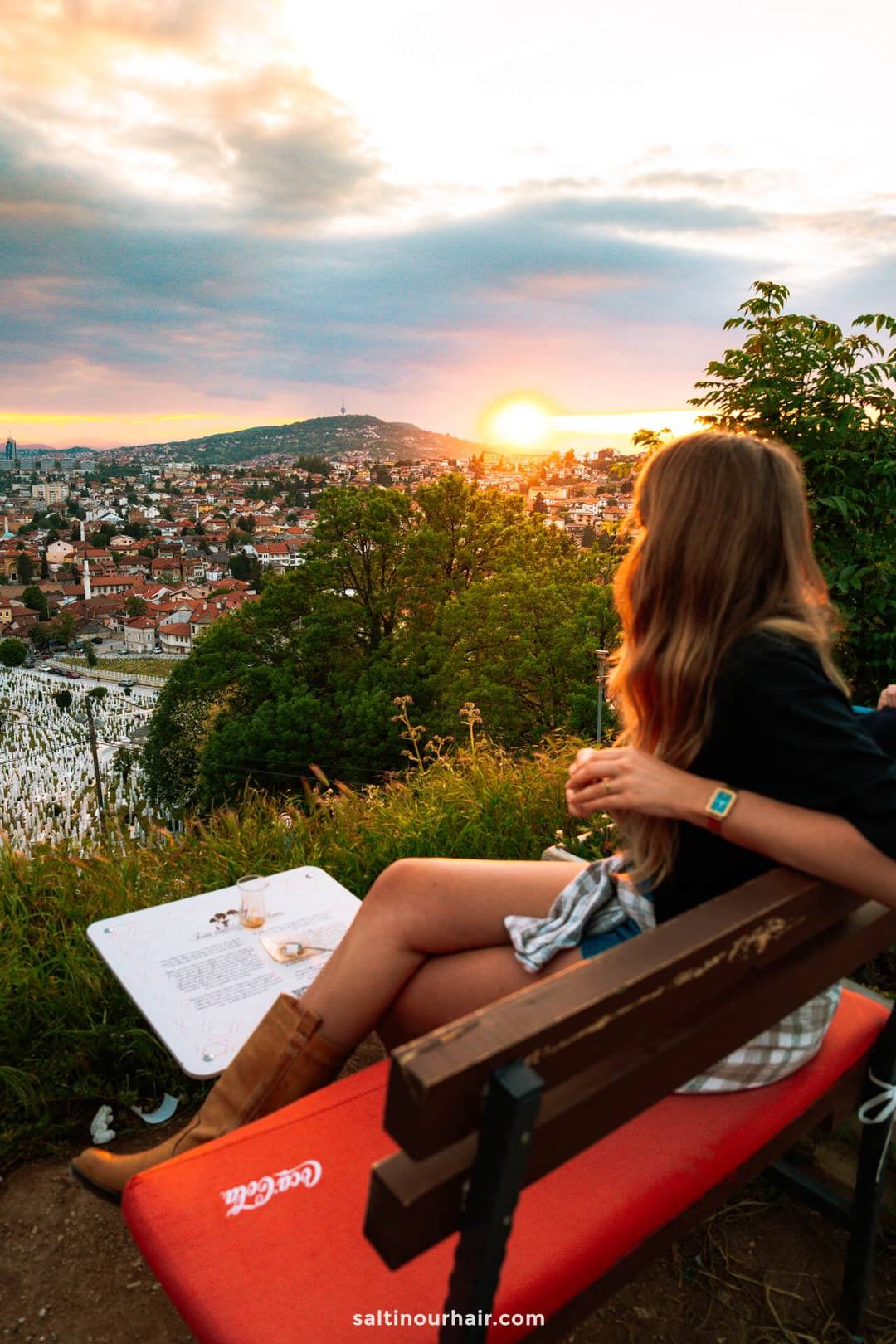
Do as the locals do, and grab a pizza to takeaway from Pekara Kovači Kod Mahira (just below the fortress) to eat while watching the sun go down.

5. Eat the Best Baklava
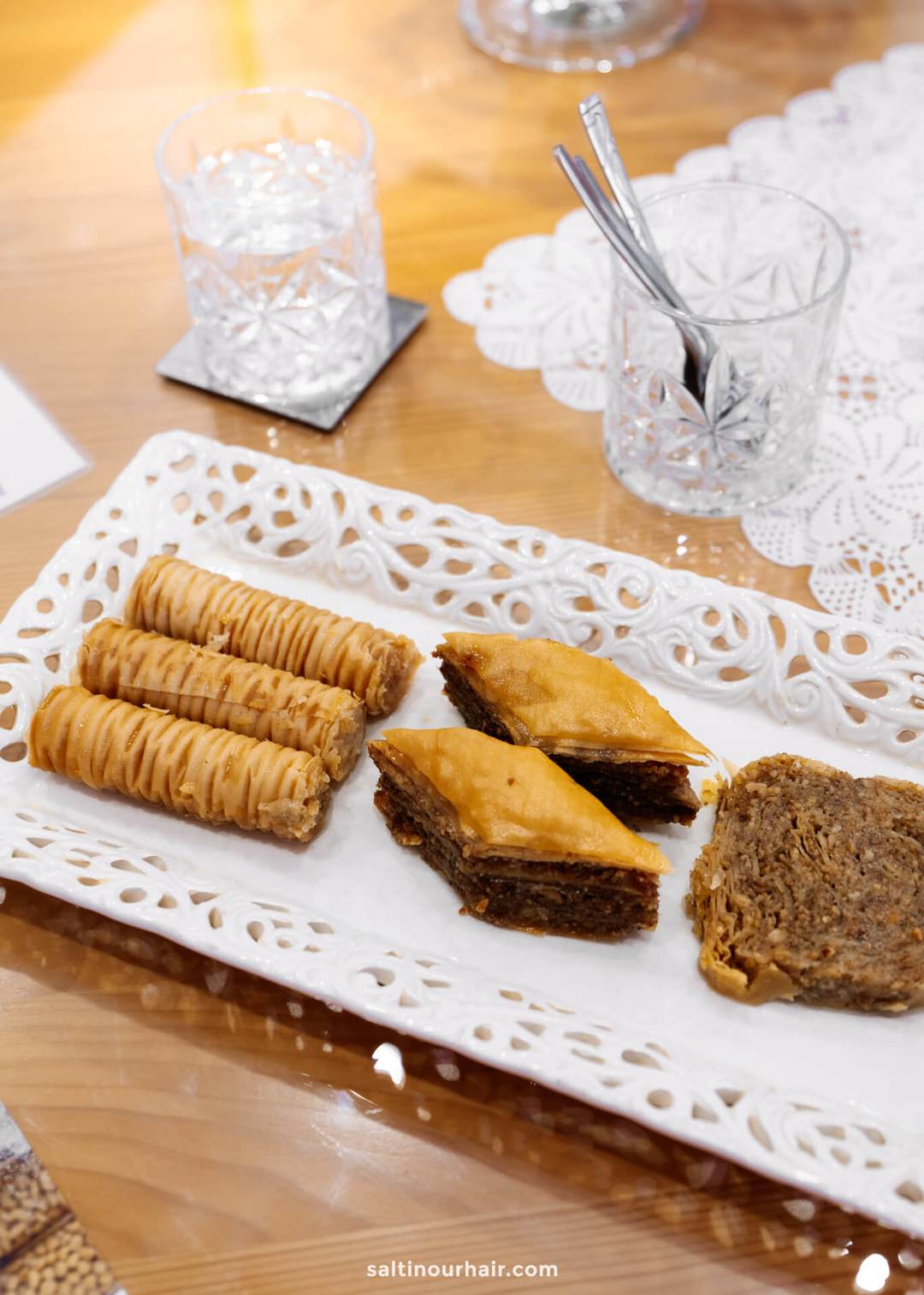
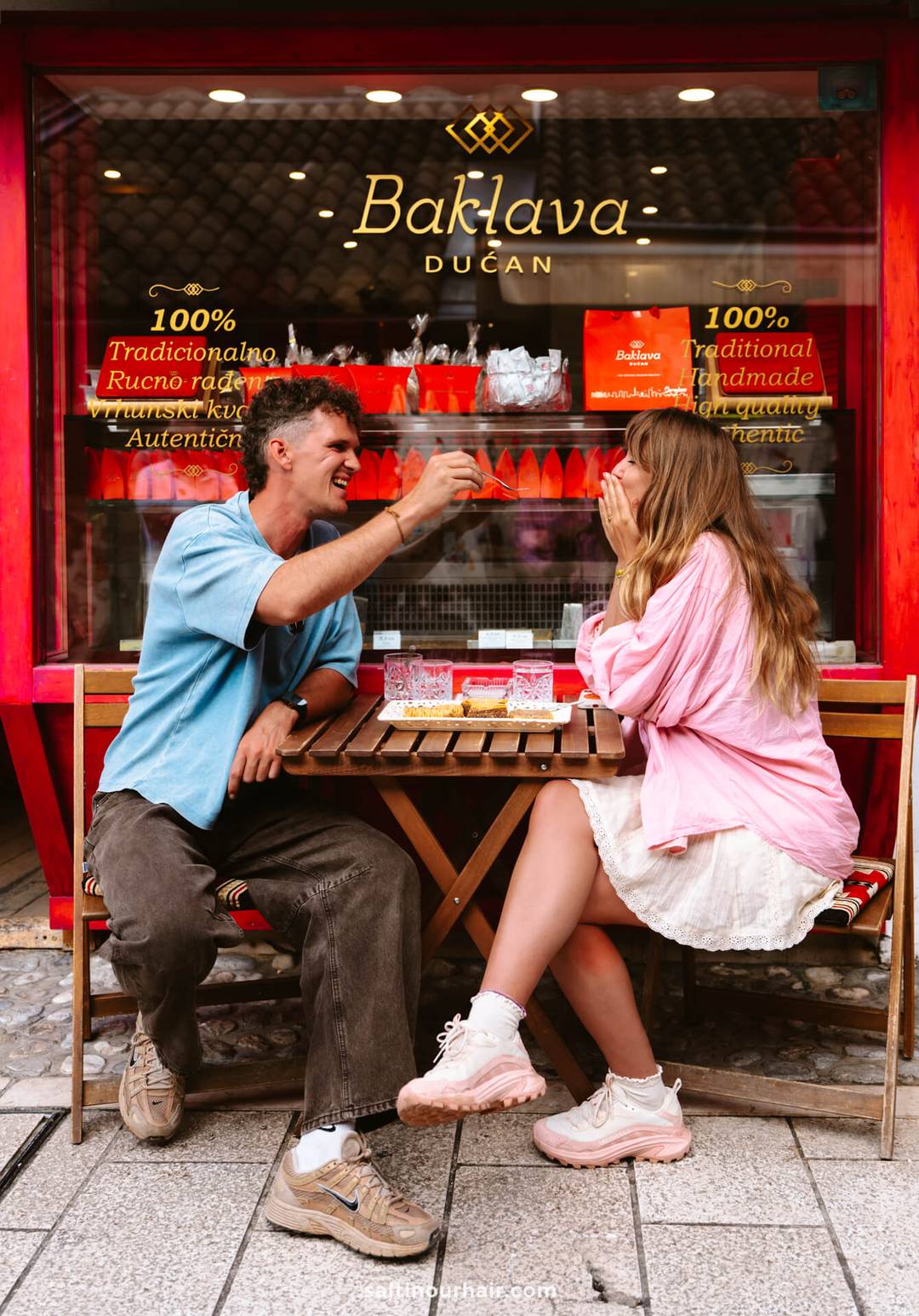
Just around the corner from the mosque, Baklava Dućan is a small family-run shop that’s been making baklava by hand for generations. One of our local friends took us here to try their specialty, džandar baklava, available in walnut, almond, and hazelnut varieties.

Bosnian baklava is less sweet and much crunchier than the Turkish version; we really liked it! They also sell gift boxes, which we picked up to bring home.


6. Biking Tour up Trebević
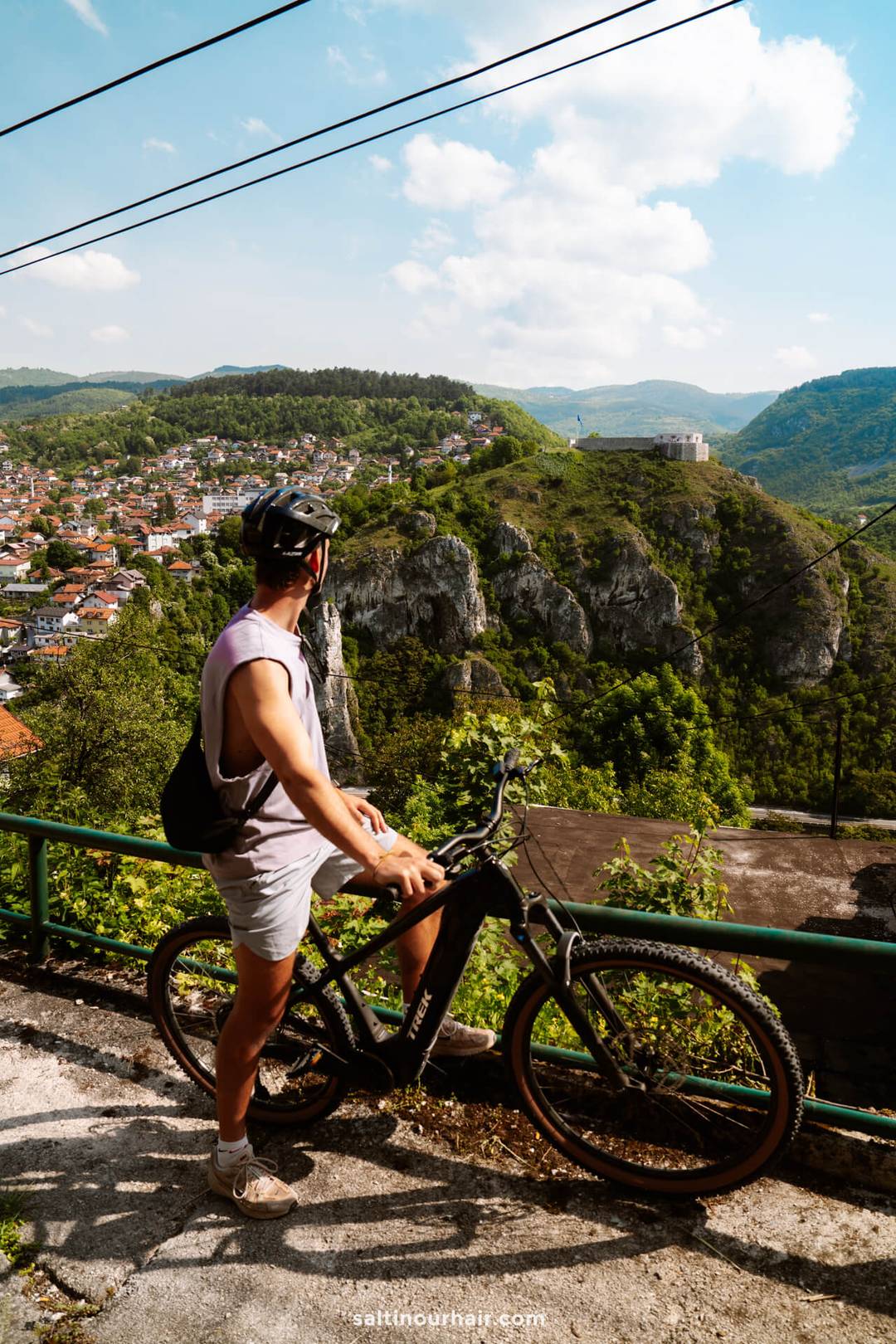
The biking tour takes you up Trebevic Mountain on a route that ran along the front line during the 1992–1995 siege, and you’ll learn all about the history on the way.


After about 30 minutes of climbing through pedestrian streets and residential neighborhoods, the city opens up below you. This took us all the way up the abandoned Olympic bobsled track at the top, where our next adventure began ;)



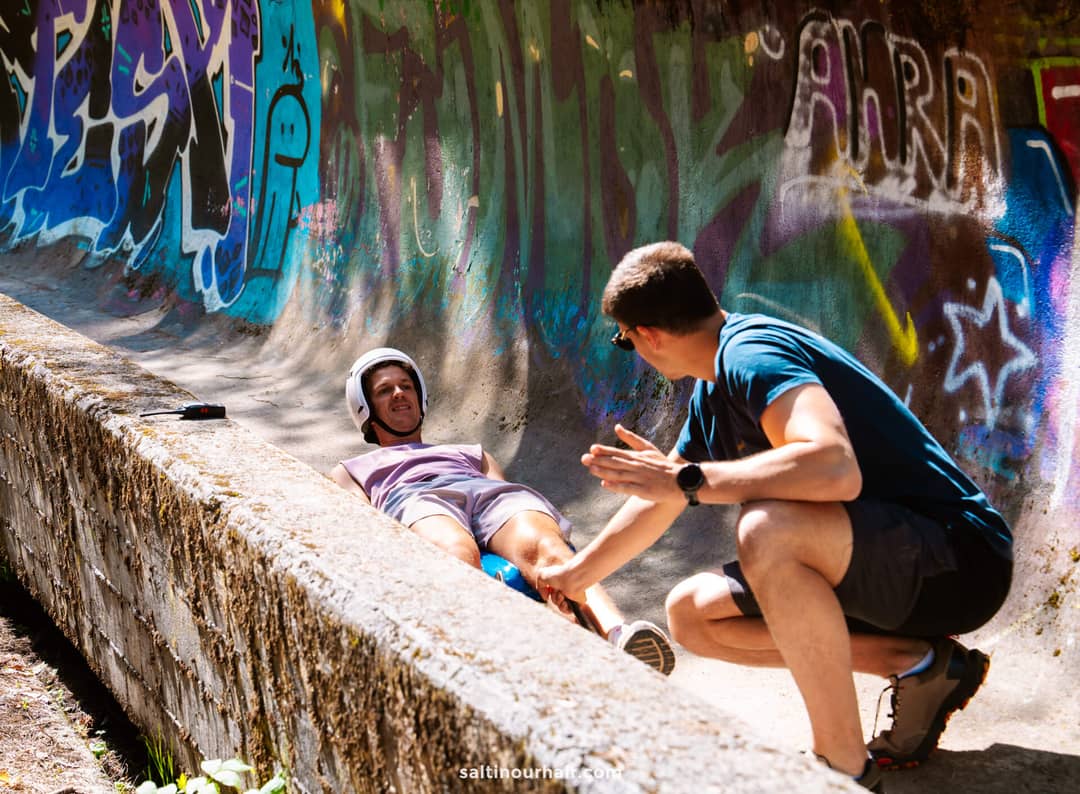
At the top, an Olympian who competed in Tokyo 2021 teaches you to control a sled and lets you start from lower sections of the track first. Hannah was nervous before the first run, then immediately wanted to go higher and faster. We promise you’ll absolutely love it!
Note: While we arrived by bike, you can also take the cable car up to Trebević Mountain.

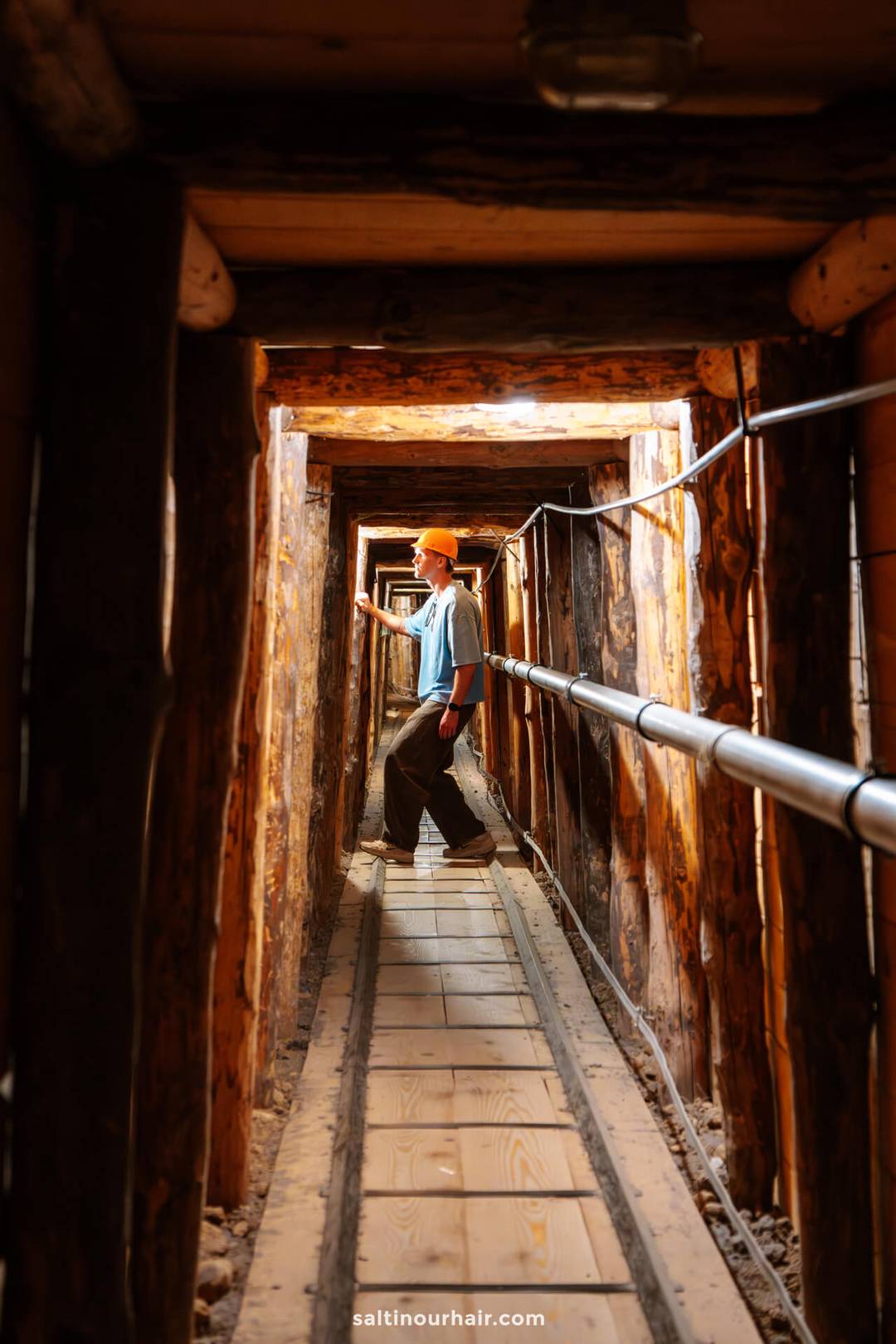

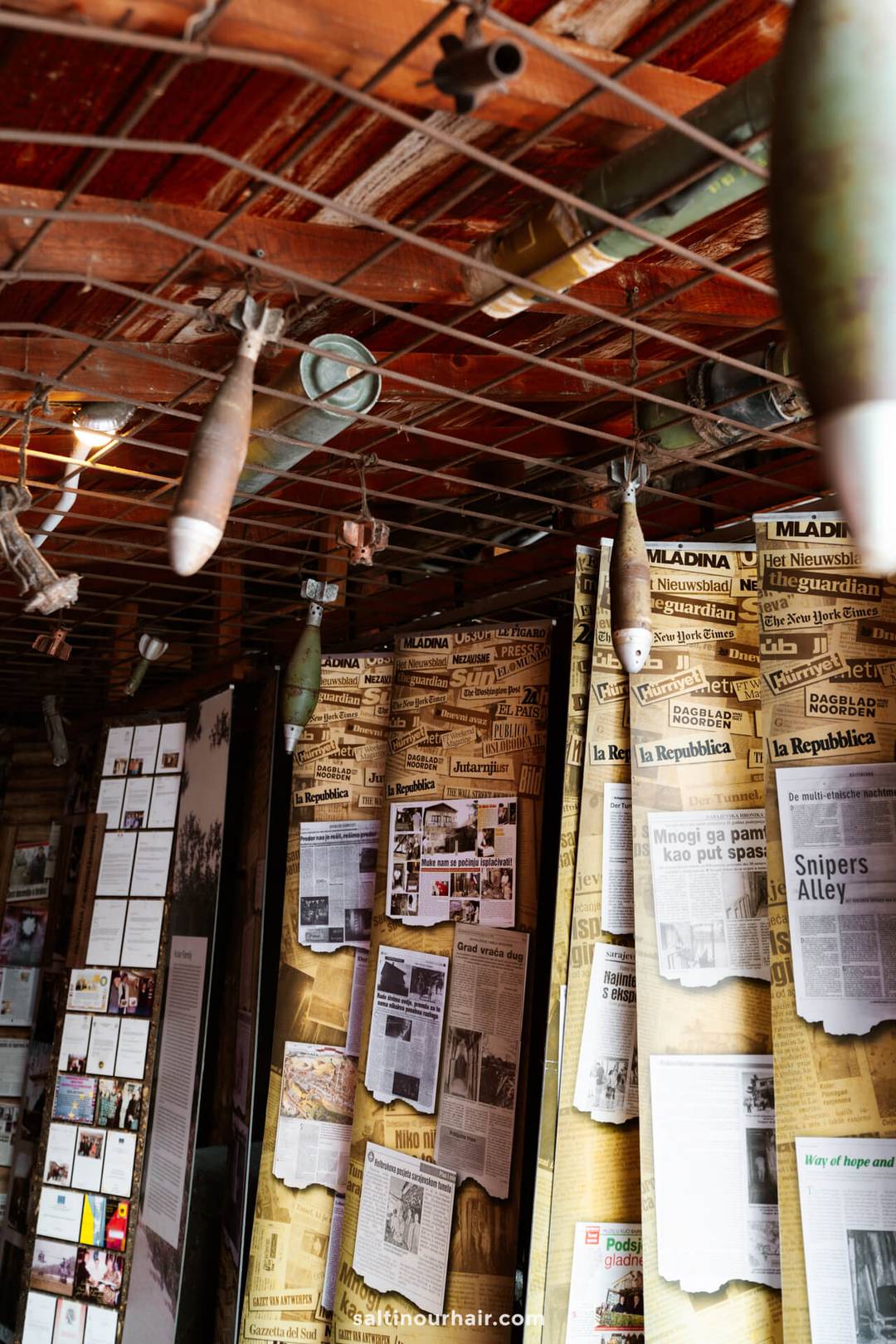
Today, you can walk through a preserved section of the original tunnel. It’s surprisingly low and narrow, and as tall Dutchies, we were very glad someone told us to wear a helmet before going in! There’s also a short film featuring real war footage that explains how the tunnel operated.
Entry fee: 20 KM/10 EUR (cash only). The museum is about a 15-minute taxi ride from the city center. We visited as part of a tour, which we highly recommend for the personal stories from a local guide.

9. Lukomir Village
Lukomir is Bosnia’s highest mountain village, sitting at 1,495 meters on Bjelašnica Mountain, and it was one of the best day trips we took! We drove up at sunset: the farmers were bringing their sheep back down from the mountain, and big flocks walked right past us with the sunlit peaks behind them.


Getting here is part of the adventure; the final 11 KM is unpaved gravel, so you need a car with decent clearance, and it’s worth checking your insurance covers stone damage.
We recommend to rent a car in Bosnia & Herzegovina through Sunny Cars with free cancellation and insurance included. Book your rental car here.


The most popular way to visit Lukomir is on this full-day hiking tour from Sarajevo, which takes you through the mountains to the village of Lukomir. We didn’t have time to do it ourselves, but after seeing those stunning landscapes, we wished we had.
We visited Lukomir as we slowly made our way south to Mostar.


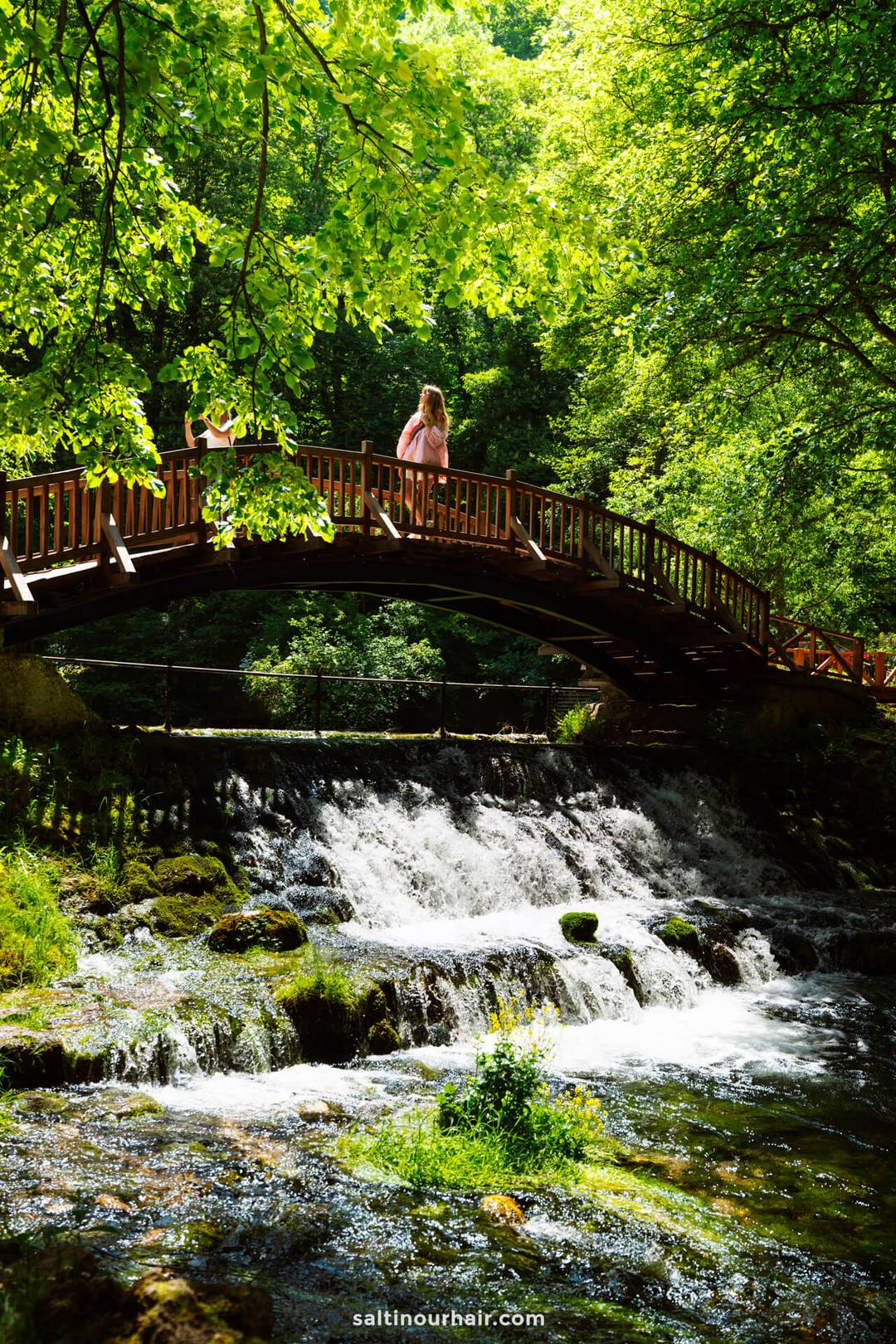

We spent a relaxed hour wandering the wooden bridges and watching a man sit on a folding chair, quietly painting the scene. There are swans, ducks, shaded paths, and a café near the entrance. Entry is 6 KM (€3), parking is another 5 KM.
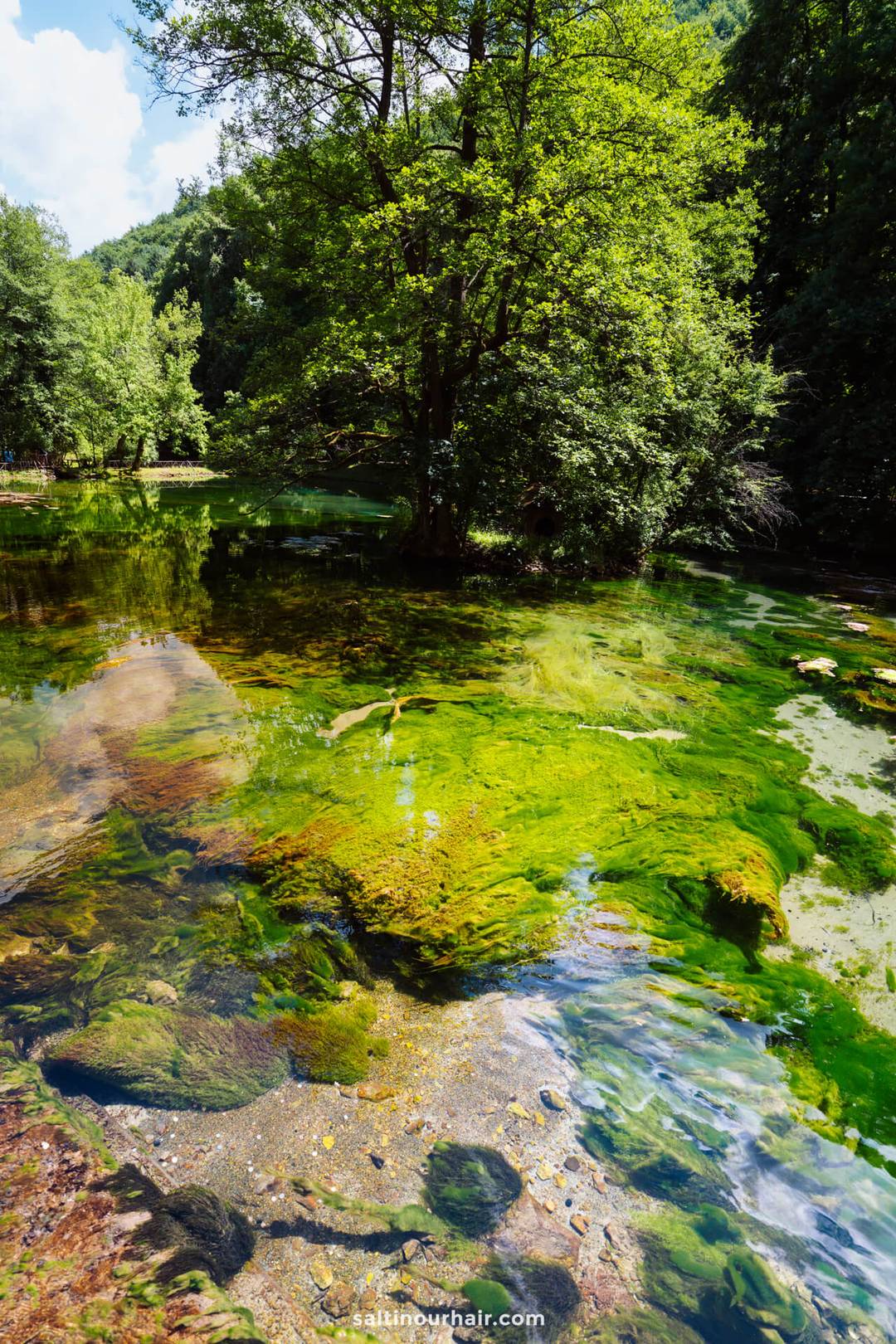

11. Bijambare Caves
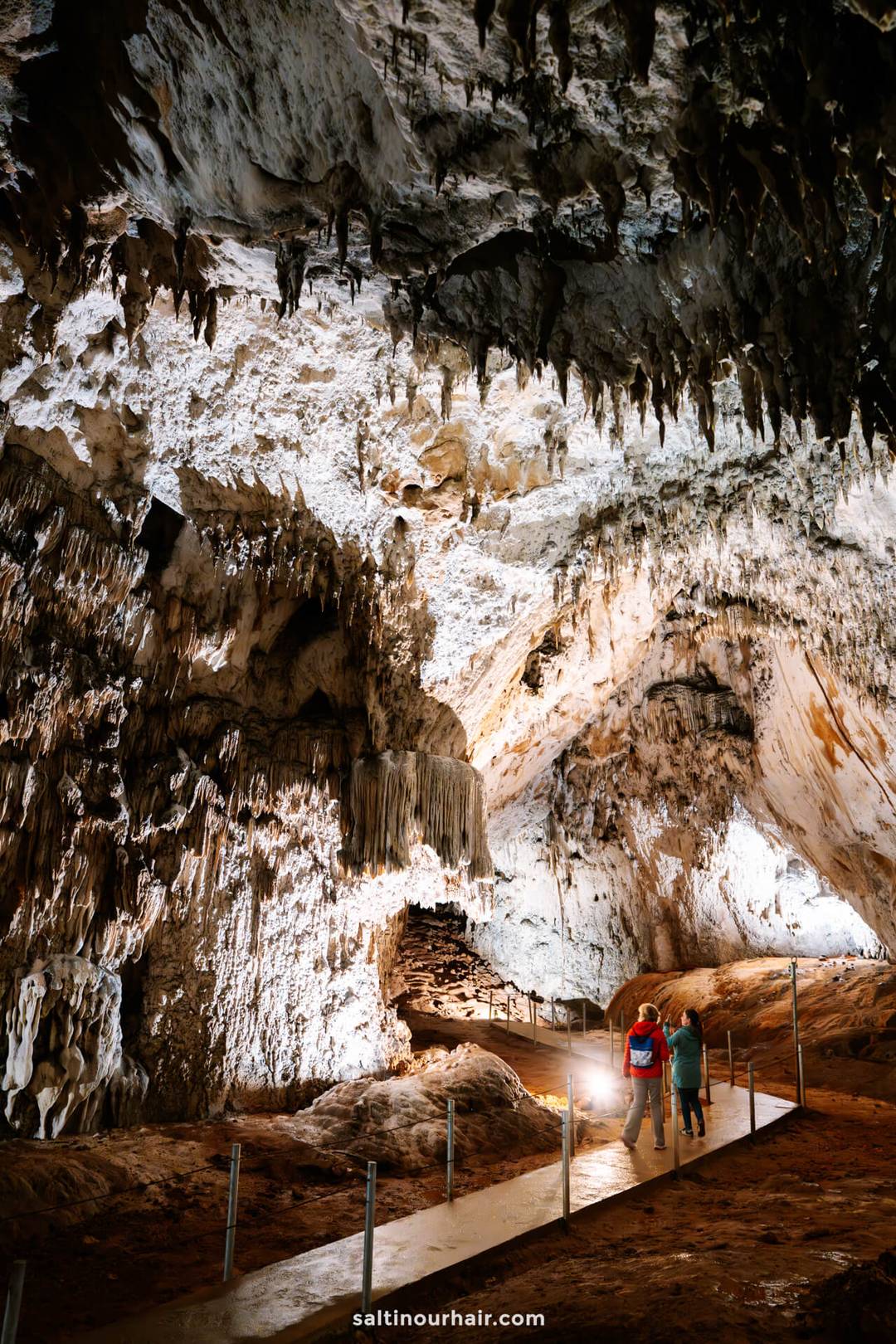
About 40 km outside Sarajevo, Bijambare is a beautiful nature reserve with forest trails and caves. The highlight is the lower cave, which can only be visited on a guided tour. The large cave is well-lit and famous for its incredible acoustics. At one point, the guide will usually ask if anyone wants to sing, so raise your hand if you’re brave enough.

Good to know:
- 20-minute walk or tourist train from the parking area
- Two caves: upper cave (self-guided) and lower cave (guided tour only)
- Bring a sweater (the lower cave is cold, even in summer)
- Paths inside can be slippery
- Restaurant on-site
- Allow 60–90 minutes for your visit
Tip: Visit before 10 AM if you’re into photography, or join this day tour from Sarajevo.

Where to Stay in Sarajevo
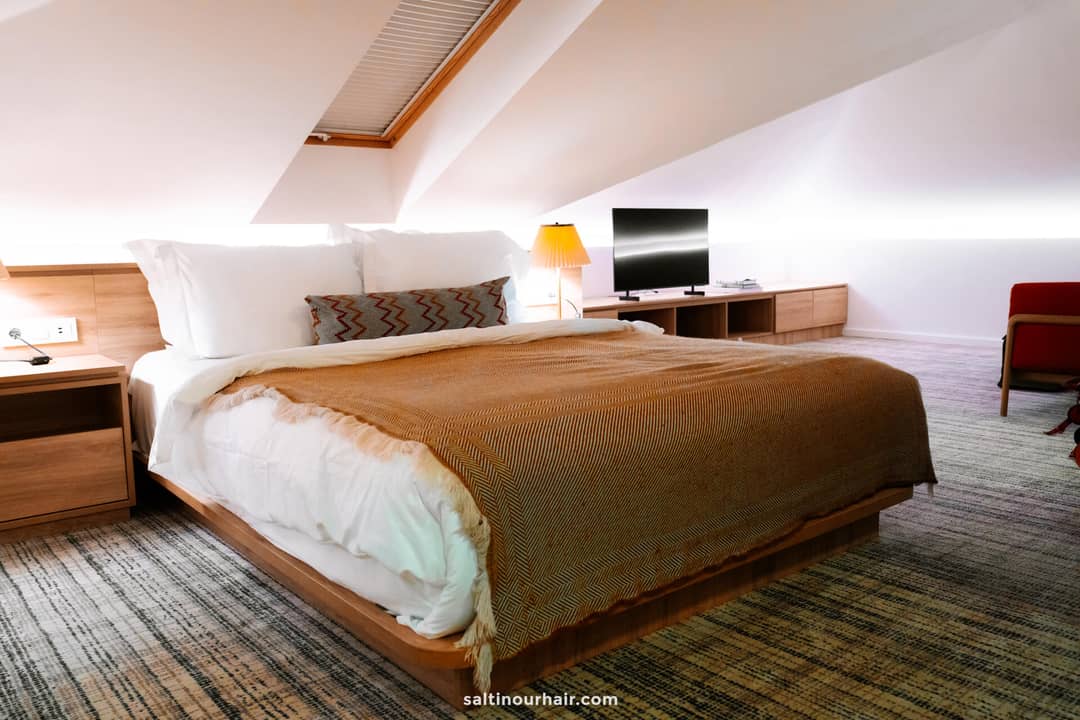
We stayed at Hotel Baškuća, a beautifully decorated, newly opened hotel just a one-minute walk up the hill from Kovači Street. It was our favorite hotel of the entire trip to Bosnia. More affordable options exist in the old town area if budget matters.
Our favorite hotels inSarajevo
View all


Two nights are the right amount for one full day in the city. Add a third night if you’re planning a day trip to Lukomir Village or Bijambare Caves (we loved both!).
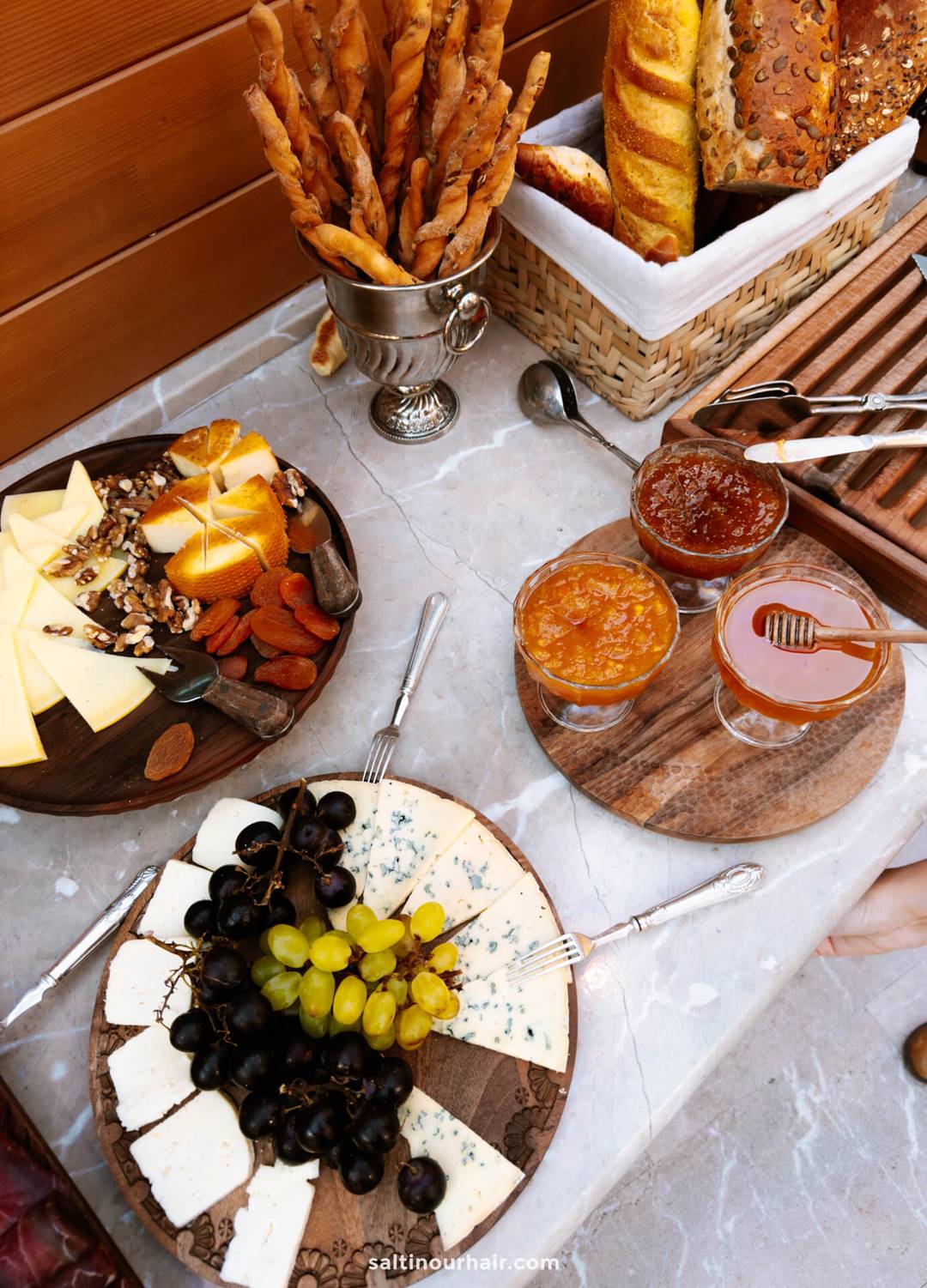

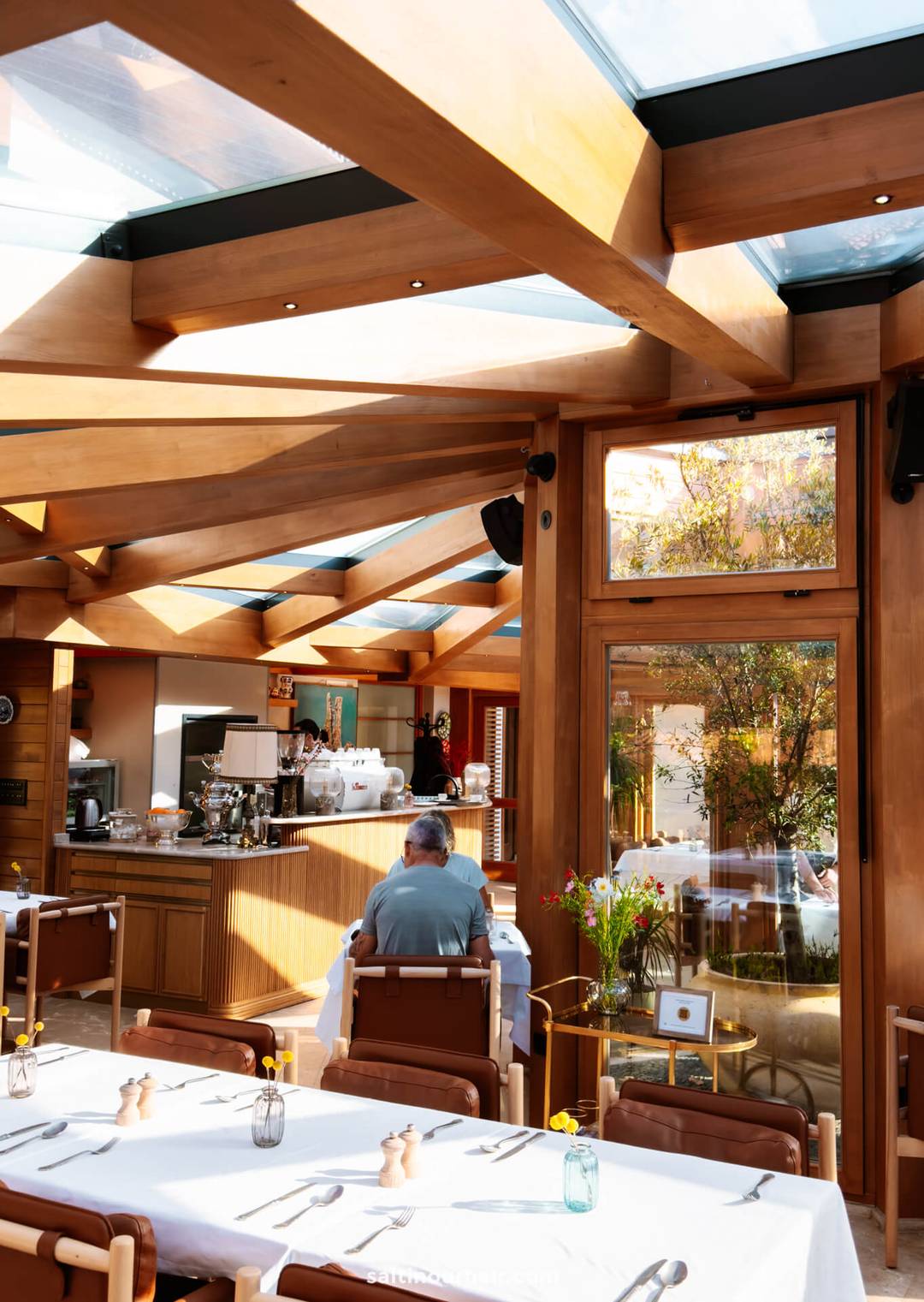


Where to Eat in Sarajevo
Bosnia is tough for vegetarians, but Sarajevo has more options than anywhere else in the country. These were our favorite spots:
- ASDŽ Aščinica: Cafeteria-style with decent veggie options, and it’s good value
- Buregdžinica Bosna: Try the burek, or go for the veggie pies filled with cheese, pumpkin, potato, or spinach. Potato was our favorite. Order the drinkable yogurt alongside it
- Brunch Sa: Western-style brunch café with vegetarian options and a cool interior
- Dveri: Some great veggie options and an atmosphere we loved
- BarSa: Delicious pizzas
- Caffe Ayna: A lovely café in the old town, perfect for coffee and baklava
Note: Many places in Sarajevo are cash only. Always keep some KM on you.


How to Visit Sarajevo
Most European cities connect to Sarajevo International Airport with one stop. We flew from Amsterdam via Belgrade, but Vienna is another common connection. From the airport, book an online transfer service to skip the taxi queue.
One thing worth knowing before you land: there are no SIM cards at the airport, so buy an eSIM before you travel. BH Telecom is available locally and is cheap, but the signal can be spotty outside the city.
Getting Around
The old town is small and best explored on foot. Most things to do in Sarajevo’s center are within a 20-minute walk of each other.
For day trips, you’ll need to book a rental car or a guided tour (we did all our tours with Meet Bosnia).

How Much Does Sarajevo Cost?
Compared with other European cities, we found Sarajevo extremely budget-friendly. The local currency is the Bosnian Mark, although Euros are accepted in many places. In the city, you can use a card, but outside, it’s always worth carrying cash.


Best Time to Visit Sarajevo
Late spring and early autumn are the best times to visit. We were there at the end of May and had 23°C, sunny streets, and everything open.
Summer gets busy and warm, so if crowds bother you, we definitely recommend aiming for these shoulder seasons.
By purchasing through our links, you support us at no additional cost.
Thank you for your support. ♥️
- Find Hotels via Booking.com
- Find a Rental Car via Sunny Cars
- Find Flights to Sarajevo via Skyscanner
- Get a Travel Insurance via Heymondo
- Book Tours & Attractions via GetYourGuide
- Book a Bus/Train/Transfer via 12Go


Looking for more travel information? Plan a chat with us for personalised travel advice or get an answer from the Salt in our Hair Travel Community on Facebook.