




Best places to visit in Azores

Weather in Azores
The Azores have mild, spring-like weather year-round. However, because it lies in the middle of the Atlantic, it’s famously unpredictable. We experienced every weather pattern while we were there, with sunshine, rain, fog, and rainbows all in the same day.

- Find Hotels via Booking.com
- Find Hostels via Hostelworld
- Find a Rental Car via Sunny Cars
- Find Flights to Azores via Skyscanner
- Get a Travel Insurance via Heymondo
- Book Tours & Attractions via GetYourGuide
- Book a Bus/Train/Transfer via 12Go
- Get a Visa via iVisa
- How to pack light for your trip
- How to plan your trip our tips
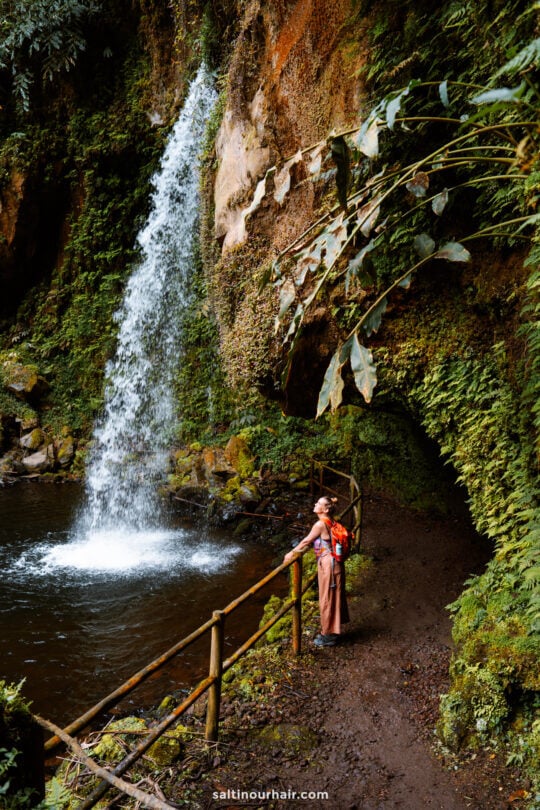
The Azores are worth a visit for their dramatic, untouched landscapes — think crater lakes, hot springs, waterfalls, and cliffs that feel straight out of a movie. There’s so much to do outdoors, like hiking, whale watching, and swimming in natural volcanic pools. Additionally, the islands are peaceful, authentic, and far less crowded than most European destinations.
Although the Azores aren’t cheap, they’re generally more affordable than mainland Portugal’s tourist hotspots like Lisbon. Food and local activities are reasonably priced, while rental cars and accommodation can get more expensive, especially in summer. However, we think it’s good value for what you get—nature, hot springs, and stunning landscapes—without the high price tag.
Yes, you can drink tap water here. It’s considered safe and is supplied from natural springs and wells. The water can sometimes taste of chlorine or minerals, depending on the region.
Whether you need a visa for the Azores depends on your nationality, as the Azores are part of the Schengen Area via Portugal. Citizens of EU/Schengen countries don’t need a visa, but most non-EU citizens, including those from the US, Canada, and the UK, can visit visa-free for up to 90 days.
Tip: Always check the specific requirements for your country of origin before traveling.
The official language of the Azores is Portuguese, though locals use a slightly different vocabulary, and some words are pronounced differently. They also speak English quite well, especially in tourist areas.
We think travel insurance is always a good idea to have, also for the Azores. It protects you when unexpected events occur, such as a flight cancellation, lost luggage, or medical expenses. This way, you get to explore worry-free!
The Azores use the standard two-pin plug sockets, also known as plug type F. Stay connected by getting an adapter if this differs from the one you have at home. Most of Europe uses this plug type (or type C).
It’s the wild, cinematic nature of the Azores that attracts visitors from around the world. Crater lakes, geothermal pools, rugged coastlines, lush green landscapes, you name it. There’s a perfect balance of adventure and calm, with incredible hiking and slow island life. Plus, the isles still feel authentic and uncrowded.
Azores Travel
The Azores are a remote archipelago in the middle of the Atlantic Ocean, part of Portugal. Across these nine volcanic islands, nature takes center stage. From the salty breeze on your face as you drive along its stunning beaches and rugged coastlines to the warm mist rising from geothermal springs.
Hop between islands or go on a road trip on São Miguel to discover emerald crater lakes, steaming fumaroles, dramatic cliffs, black-sand beaches, and lush rolling hills. Out on the water, the deep Atlantic is home to whales, dolphins, and playful marine life, making every boat trip feel magical. All of this makes a vacation in the Azores perfect for travelers who crave untouched nature and authentic adventure.
How to Plan Your Trip to the Azores
Follow our Azores travel guides to plan your trip! Whether you’re looking to explore the best hikes, relax in hot springs, or try the geothermal cuisine in Furnas, we’ve got you covered with our informative guides. Explore all the best places in the Azores, like São Miguel, or check out our 5-day São Miguel itinerary.
Best Time to Visit the Azores
Planning your perfect Azores trip? Find out about the weather in the Azores to choose the best time to explore the archipelago.
Spring (March – May): Spring in the Azores feels fresh and green, with mild temperatures and a mix of sunshine and showers. The landscapes truly come alive during this season, with vibrant flowers everywhere, powerful waterfalls, and improved hiking conditions. This is known as the shoulder season, when crowds are low and prices are often more favorable.
Summer (June – September): This is the best time to visit the Azores. It’s the warmest and most stable time of the year, with long sunny days, calm seas, and temperatures averaging 24-28°C. It’s perfect for swimming, whale watching, and island-hopping, though it’s also the busiest period to visit. Expect fewer weather changes, but still pack for all conditions.
Fall (October – November): Mild season, warm ocean temperatures, and fewer visitors characterize the fall season in the Azores. It’s an excellent time for more relaxed travel, though the weather can change often. Sunny mornings can quickly turn into powerful showers, but the landscapes remain lush and beautiful. This makes it great for hiking, photography, and the best hot springs.
Winter (December – February): Winter in the Azores is cool, rainy, and highly variable, but it is much milder than in mainland Europe. Expect strong winds, rough seas, and low clouds, which will make outdoor activities and inter-island flights difficult. It is the quietest season on the islands.
We visited at the end of May/beginning of June, and it was stunning! The average daily temperature was 20 degrees, and we had some sunny days. We were a little sad that we didn’t get to see the iconic hydrangea flowers; I think we were a bit too early. If you time your trip for late June/July, you should be ok.
Coastlines and Beaches
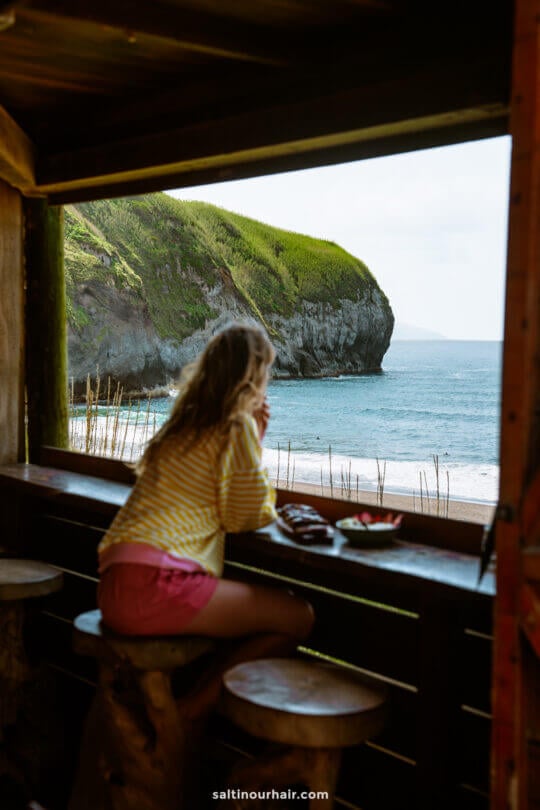
The coastlines of the Azores are dramatic and rugged, shaped by centuries of volcanic activity. Instead of endless flat beaches, you’ll find towering cliffs, natural rock formations, blowholes, and beautiful green landscapes that seem to tumble straight into the Atlantic.
Top Tip: Many viewpoints offer sweeping views of deep blue water, tiny offshore islands, and huge waves crashing against the rocks.
Most beaches are volcanic, with black or dark sand, warm, mineral-rich rock pools, and natural swimming spots carved into lava formations. Some of the best beaches on São Miguel island, like Praia de Santa Bárbara, are famous for their soft sand. But the real charm lies in the natural lava pools, sheltered coves, and dramatic seaside settings that are both wild and peaceful, and a must on your vacation in the Azores.
Food, Culture, and Religion in the Azores
Azorean food is hearty, fresh, and deeply tied to the islands’ volcanic landscape and Atlantic waters. This means that in places like Furnas, you can savor slow-cooked stews like Cozido das Furnas (made using geothermal heat!), incredible local cheeses, fresh fish, and sweet treats like queijadas. You’ll notice quickly on your São Miguel itinerary, for example, that meals are simple but full of flavor.
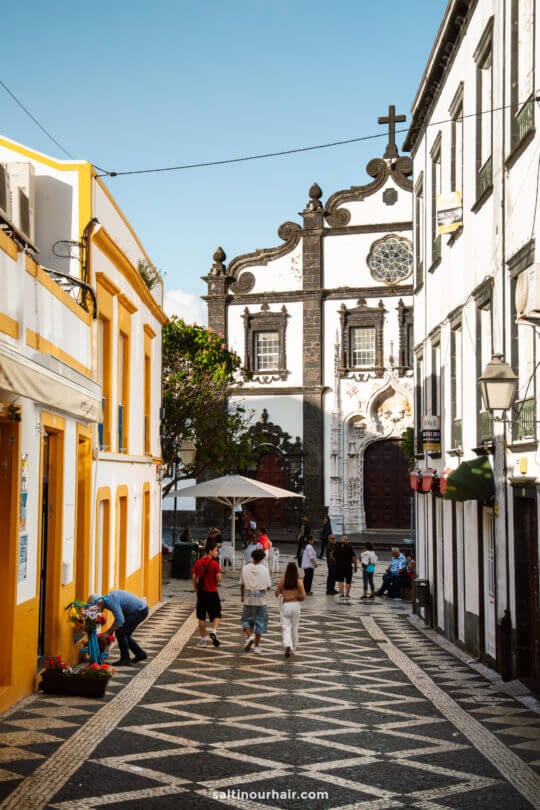
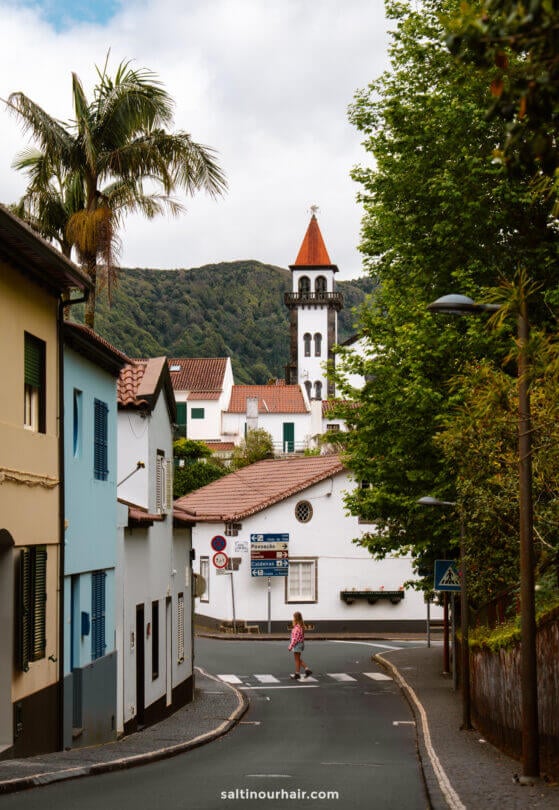
Culturally, the Azores blend Portuguese traditions with a laid-back island lifestyle. Festivals, music, and community are a big part of life here, and many customs are rooted in Catholicism (the dominant religion). You’ll notice this in the beautifully decorated churches in towns like Vila de Sete Cidades, in the processions, and in the celebrations throughout the year.
Why You Should Travel to the Azores
With untouched and wildly beautiful landscapes that you won’t believe exist in Europe, the Azores make a one-of-a-kind destination. It’s got emerald crater lakes, steaming geothermal valleys, dramatic cliffs, black-sand beaches, and rolling green hills, all surrounded by the deep blue Atlantic. The archipelago is cinematic and quiet.
For adventurers, it’s the dream location. Some of the best things to do in São Miguel include hiking along volcanic ridges, swimming in natural lava pools, whale watching, and chasing waterfalls. After a day outdoors, relax in some of the best hot springs heated by the earth. Each island has its own personality, making it perfect to fill your trip to the Azores with what you love—nature, culture, food, or pure relaxation.
Beyond the scenery, the Azores offer authenticity that’s getting harder to find. The pace is slow, the people are warm, and tourism still feels respectful and small-scale. You get all the drama of a far-flung destination with the comfort, safety, and friendliness of Portugal—a combination that makes a holiday to the Azores genuinely special.
Safety and Travel Advice in the Azores
Travelers planning to visit the Azores, a magical archipelago in the Atlantic Ocean, should take the necessary precautions to ensure a safe trip. We’ve summarised the key points below to help you enjoy your journey.
Unpredictable weather: The Azores are known for rapid weather changes, especially at higher elevations. Always check the local forecast (and live webcams) and be prepared for sun, rain, wind, and fog on the same day. Layers are a must!
Hiking safety: Trails can be steep, muddy, or slippery due to the humid climate. Make sure to wear proper shoes, bring water, and avoid hiking in low visibility—clouds can roll in quickly on crater rims. Stick to marked paths, as some areas have unstable ground from volcanic activity.
Many landscapes are protected; follow posted rules and avoid entering closed trails or sensitive ecosystems. Don’t walk on hydrangea fields or volcanic crater edges that aren’t designated for visitors. This protects both you and the islands’ fragile nature.
Ocean conditions: The Atlantic can be rough, with strong currents and changing tides. Therefore, always swim at supervised beaches when possible and heed red flags. Be cautious when visiting natural pools or rocky coastlines after rain (they can be slippery).
Learn more about travel safety
Natural disasters: Earthquakes do happen occasionally, though they’re usually mild. Emergency services are well prepared, and locals are familiar with the procedures. Familiarize yourself with evacuation routes in your accommodation, just in case. The islands are volcanic, but major eruptions are extremely rare and closely monitored.
Hot springs: Follow all safety signs near fumaroles, geothermal fields, and hot springs—some pools are too hot or unstable to enter. Stick to designated bathing areas.
Traffic: The roads in the Azores are generally good, but narrow coastal routes and foggy mountain roads require extra caution. Watch for sudden stops from drivers admiring views, and be mindful of livestock crossing.
Crime and safety in the Azores: Crime rates are very low, and petty theft is rare. Still, use standard traveler precautions, such as not leaving any valuable items in the car or unattended. Locals are very friendly and helpful, creating a welcoming atmosphere for exploration.
Travel Insurance: One of the most important things you need to do before your Azores holiday is to purchase travel insurance. Although the Azores themselves are safe, there is potential for accidents – for example, an injury after surfing, a canceled flight, or lost baggage. Check out these best travel insurances.